

Braces vs Clear Aligners — which one truly gives you the straighter, healthier smile you deserve?
Orthodontic treatments have evolved rapidly over the past decade. According to recent dental industry reports, nearly 75% of orthodontic patients now explore clear aligner options before committing to treatment. Meanwhile, traditional braces continue to deliver highly predictable results for complex cases. With millions of people seeking orthodontic correction every year, the debate around Braces vs Clear Aligners has never been more relevant.
Research published by orthodontic associations shows that treatment success depends on three major factors: case complexity, patient compliance, and treatment planning technology. Digital scanning and 3D treatment simulations have dramatically improved outcomes for both methods. However, patients often struggle to choose between braces or clear aligners Invisalign systems because online information can be confusing and sometimes biased.
In this blog, you’ll discover the 3 critical differences between braces and aligners — including cost, comfort, and treatment time — so you can confidently choose the best solution for your smile and long-term dental health.
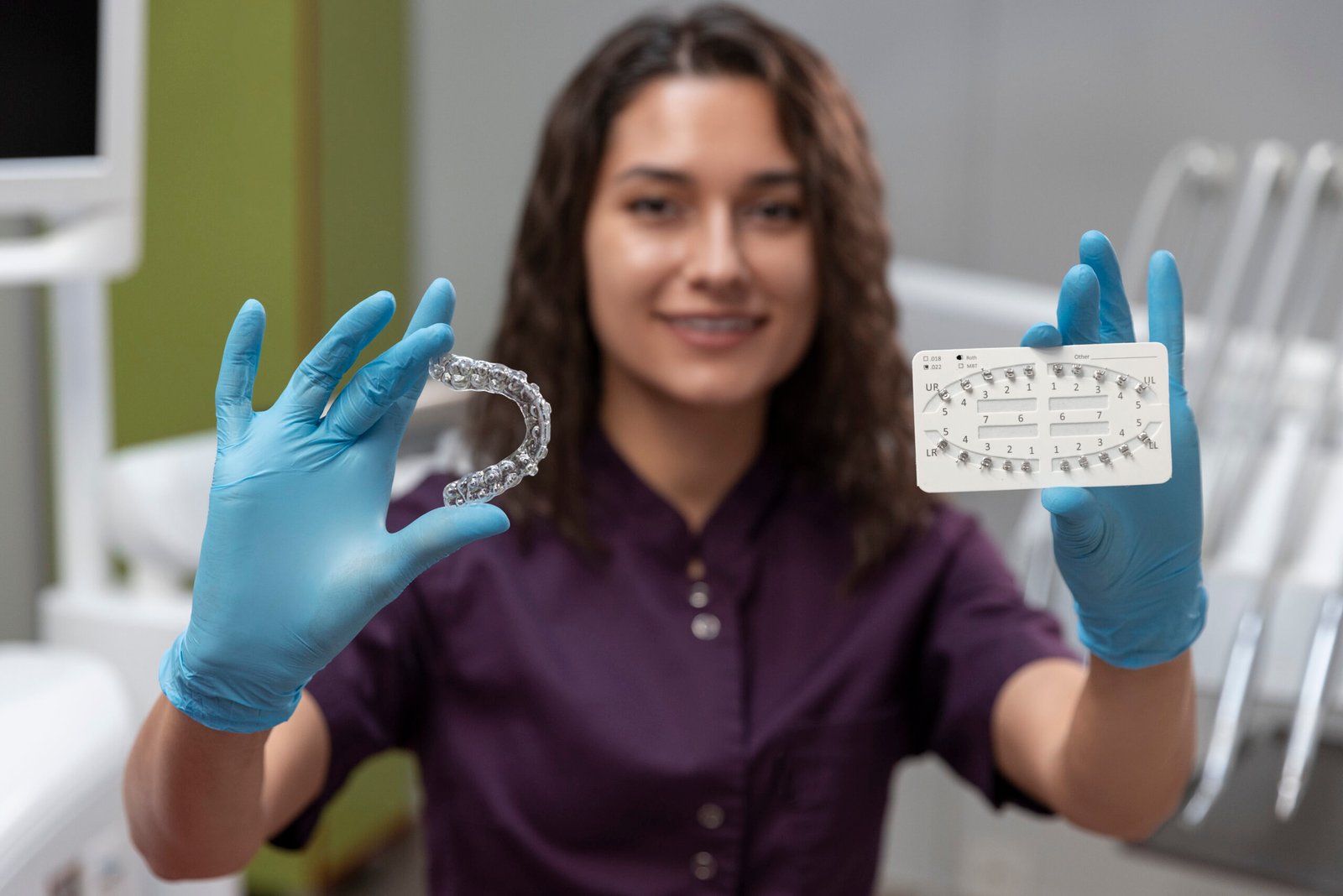
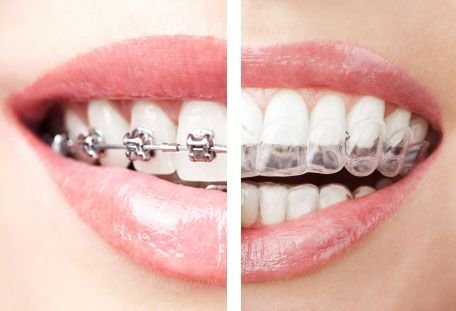
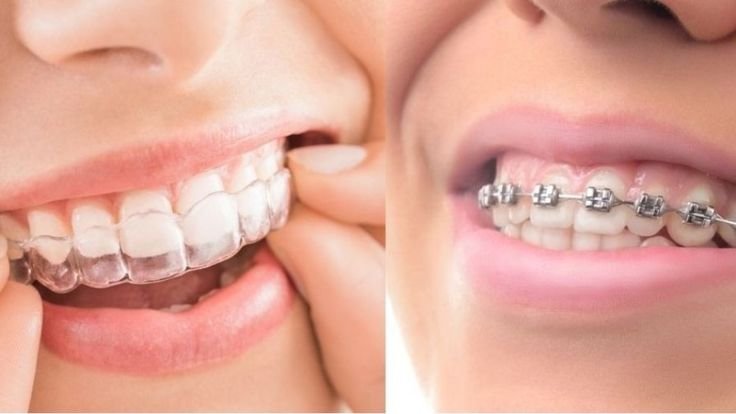
When comparing Braces vs Clear Aligners, the first noticeable difference is appearance. Traditional metal braces use brackets and wires that are visible when you smile. Clear aligners, on the other hand, are transparent trays that fit snugly over your teeth, making them nearly invisible.
Many adults prefer clear aligners because they offer discretion in professional and social settings. This is why searches for braces vs clear braces and clear braces vs clear aligners have increased significantly in recent years.
Comfort is another major factor. Braces can cause irritation due to wires and brackets rubbing against the cheeks and lips. Aligners are smoother and removable, allowing you to eat and clean your teeth easily. However, aligners require discipline — you must wear them 20–22 hours daily for effective results. If compliance is poor, treatment may take longer.
Another critical difference in Braces vs Clear Aligners is treatment duration and complexity handling. On average:
Braces offer continuous pressure because they are fixed to your teeth. This makes them ideal for complex orthodontic corrections. Aligners work best for mild to moderate alignment problems.
For example, if someone has significant jaw misalignment, braces may correct the issue faster and more predictably. However, for minor spacing problems, clear aligners can produce excellent results in less time.
Cost plays a crucial role in deciding between braces and clear aligners. Many patients search for clear aligners vs braces price and braces clear aligners cost before consulting a dentist.
Here’s a general comparison:
However, aligners may involve additional costs if trays are lost or replaced. Maintenance is easier with aligners since they are removable. Braces require more frequent dental visits for tightening adjustments.
When comparing motto clear aligners vs braces, it’s important to evaluate long-term value rather than just the upfront price.
One major but often overlooked factor in Braces vs Clear Aligners is patient discipline. Traditional braces are fixed to your teeth, which means they work 24/7 without relying on your memory or effort. This makes them highly effective for teenagers or individuals who may forget to follow strict instructions.
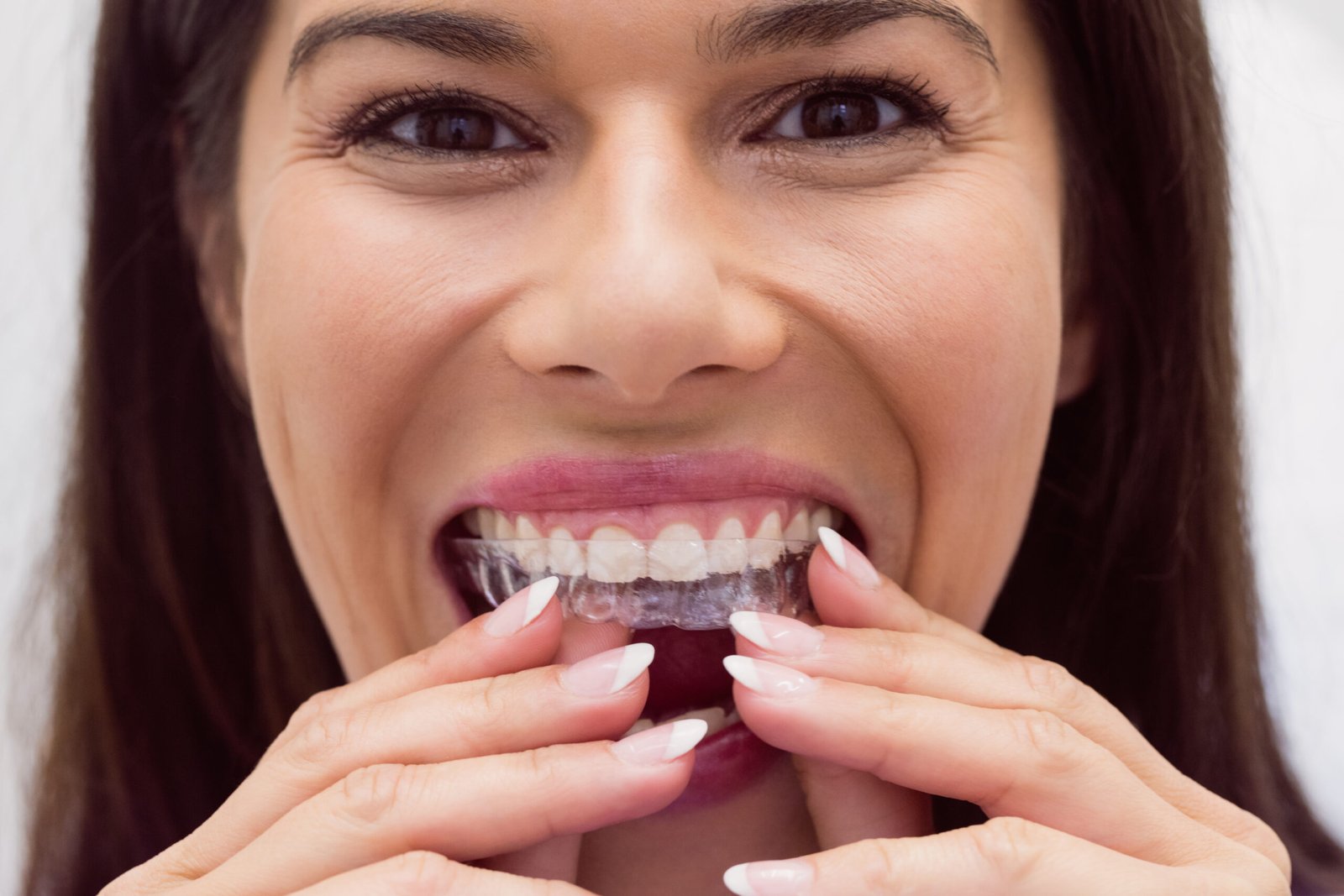
Clear aligners, however, require wearing the trays for 20–22 hours per day. Removing them frequently for eating, events, or simply forgetting to wear them can delay progress. Studies show that treatment delays are often linked to poor aligner compliance. So, when comparing braces or clear aligners Invisalign systems, your daily habits matter just as much as your dental condition.
If you are disciplined and organized, aligners can deliver outstanding results. If not, braces may provide more predictable outcomes.
Food freedom is another big difference in Braces vs Clear Aligners. With traditional braces, certain foods like sticky candies, hard nuts, popcorn, and chewing gum are restricted because they can damage brackets and wires.
Aligners, on the other hand, are removable. You can eat whatever you want — simply remove the trays before meals. This flexibility is one reason why many adults prefer clear aligners vs braces price despite the higher cost.
However, aligner users must brush before reinserting trays to avoid trapping bacteria, which can cause bad breath or cavities. In lifestyle terms, aligners offer more flexibility, while braces demand more dietary caution.
When evaluating Braces vs Clear Aligners, consider dental visits and adjustments. Traditional braces require regular tightening appointments every 4–6 weeks. These visits are essential to maintain consistent pressure on the teeth.
Clear aligner treatment often involves fewer in-office visits because multiple trays are provided in advance. Some clinics even offer remote monitoring options using digital scans.
However, in complex cases, braces allow orthodontists to make real-time mechanical adjustments that aligners may not handle as effectively. That’s why many specialists recommend braces for severe bite corrections despite advances in aligner technology.
If you value fewer appointments and convenience, aligners may suit you. But if your case requires close supervision, braces could be more efficient.
When deciding between braces or clear aligners Invisalign systems, lifestyle matters. Athletes may prefer aligners to avoid bracket injuries. Teenagers who may forget to wear trays consistently might benefit more from braces.
Oral hygiene is simpler with aligners because you can brush and floss normally. With braces, food particles often get stuck, increasing the risk of plaque buildup if not cleaned properly.
Another trending comparison is clear braces vs clear aligners. Clear braces (ceramic braces) are less visible than metal braces but still fixed. They combine aesthetic improvement with strong corrective ability.
Ultimately, the right option depends on diagnosis, X-rays, and digital scans performed by an experienced orthodontist.
If you are confused about choosing between braces or clear aligners Invisalign, we are here to help! Make an appointment at our Tooth Lab Clinic by calling (925) 705-7093 or by booking an appointment online. Our expert dental team will evaluate your smile and recommend the most effective orthodontic solution tailored to your needs.
Choosing between Braces vs Clear Aligners is not just about aesthetics — it’s about long-term dental health and lifestyle compatibility. While aligners offer flexibility and invisibility, braces provide strength and predictability for complex corrections. Understanding clear aligners vs braces time, cost, and effectiveness ensures you make a smart investment in your smile.
Before deciding, consult a qualified dental professional who can analyze your bite and alignment through advanced imaging tools. The right choice today can give you a confident, healthy smile for decades.
The biggest difference is visibility and removability. Braces are fixed, while aligners are removable and nearly invisible.
Generally, traditional braces cost less than clear aligners, but clear aligners vs traditional braces cost depends on case complexity.
Aligners may take 6–18 months, while braces can take up to 24 months for complex cases.
No. Clear braces are ceramic brackets fixed to teeth, while aligners are removable transparent trays.
It depends on your dental condition, lifestyle, and budget. Consulting a dental expert will help you choose the best option.