Tooth Extraction

Tooth extraction

Tooth extraction is a dental procedure used to remove a tooth that is severely damaged, decayed, or infected. It is done when a tooth cannot be saved with other treatments. The procedure helps relieve pain and prevents infection from spreading to nearby teeth and gums.

Tooth extraction is performed safely under local anesthesia, making it comfortable for the patient. After extraction, proper care helps in quick healing and maintains overall oral health.

Safe & Gentle Tooth Extraction for Pain Relief

Tooth Extraction is a common dental procedure performed to remove severely damaged, decayed, or impacted teeth. It is often recommended when a tooth cannot be saved through other treatments like fillings or root canal therapy. The procedure is done under local anesthesia to ensure maximum comfort and minimal pain.

Tooth Extraction helps relieve severe toothache, prevent the spread of infection, and protect surrounding teeth and gums. After the procedure, proper aftercare is essential for quick healing and to avoid complications. In some cases, your dentist may recommend replacement options such as dental implants or bridges to restore function and appearance.

With professional care and guidance, tooth extraction is safe, efficient, and supports long-term oral health.


 
Tooth Extraction

Relieves Pain & Infection

Tooth extraction removes damaged or infected teeth, providing relief from severe pain and preventing the spread of infection.

It is recommended when a tooth cannot be saved through other treatments like fillings or root canal therapy.
The procedure is performed under local anesthesia to ensure comfort and minimize discomfort.
After extraction, proper care helps promote quick healing and reduces the risk of complications.
Your dentist may suggest replacement options such as dental implants or bridges to restore function.
Timely extraction protects surrounding teeth and supports long-term oral health.

 
 
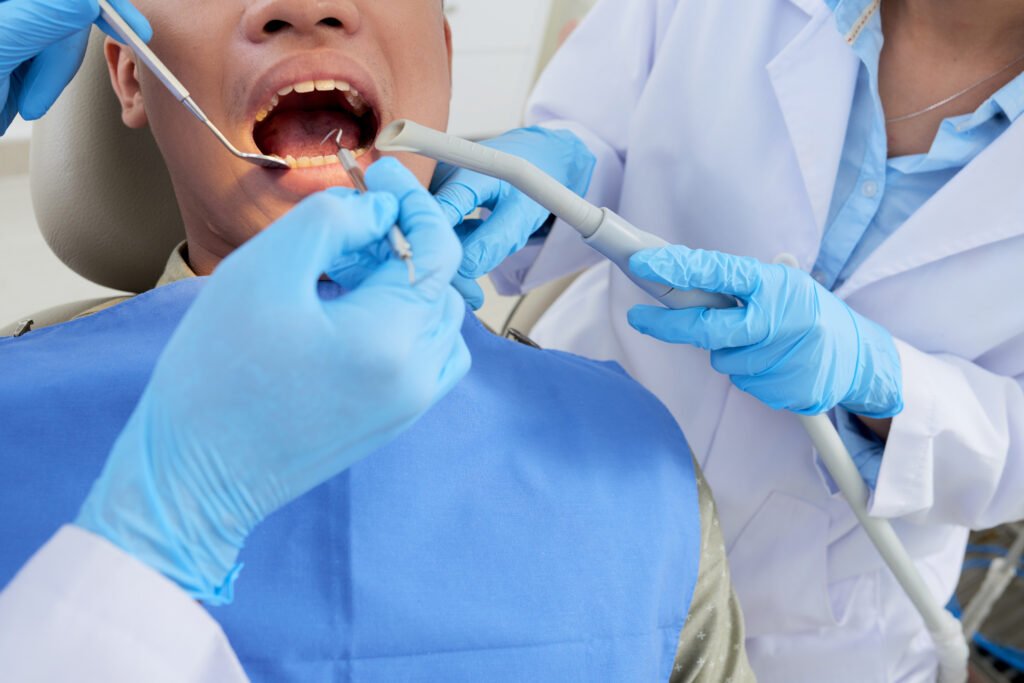
dentists treat patients' teeth.

Protects Oral Health

Removing a problematic tooth helps protect nearby teeth and gums from further damage and complications.

It also prevents the spread of infection that could affect overall oral health.
Timely removal supports proper healing and maintains the stability of surrounding teeth.
It can relieve persistent pain and discomfort caused by severe decay or injury.
Early treatment reduces the risk of abscess formation and jawbone damage.
Proper aftercare ensures faster recovery and long-term dental health.

Tooth Extraction

Prepares for Future Treatment

Tooth extraction may be needed to create space for braces, dental implants, or other restorative dental treatments.

It helps correct overcrowding and allows teeth to align properly during orthodontic treatment.
In some cases, impacted wisdom teeth are removed to prevent pain and alignment issues.
Extraction can also prepare the mouth for a secure and successful dental implant placement.
The procedure is carefully planned to protect surrounding teeth and gum tissues.
With proper aftercare, healing is smooth and supports long-term treatment success.

Why Tooth Extraction?

Tooth extraction is required when a tooth is severely damaged, decayed, or causing pain and infection. Removing the affected tooth helps protect nearby teeth and prevents further oral health problems. In some cases, extraction is necessary to make space for orthodontic treatment.

Uses of Tooth Extraction

Tooth extraction is used to remove teeth that cannot be saved or are causing dental issues. It helps maintain overall oral health and comfort.

When is tooth extraction necessary?

Tooth extraction is recommended when a tooth is severely damaged, decayed, infected, overcrowded, or impacted (such as wisdom teeth) and cannot be saved with other treatments.

Is tooth extraction painful?

No. Tooth extraction is performed under local anesthesia, so you won’t feel pain during the procedure. Mild discomfort after extraction is normal and usually subsides within a few days.

How long does it take to recover after tooth extraction?

Initial healing usually takes 1–2 weeks, while complete healing may take a few weeks. Following post-extraction care instructions helps speed up recovery.

What should I avoid after a tooth extraction?

After extraction, avoid smoking, using straws, spitting forcefully, hard foods, and alcohol for at least 24–48 hours to prevent complications like dry socket.

What are my options after tooth extraction?

After extraction, you may consider dental implants, bridges, or dentures to replace the missing tooth and maintain proper oral function and appearance.