
Zirconium crowns and bridges are among the strongest and most natural-looking solutions in modern dentistry—but are you caring for them the right way?
Recent dental studies show that zirconia-based restorations have a survival rate of over 90–95% after 10 years when properly maintained. Compared to traditional crown and bridge alloys, zirconia offers superior strength, fracture resistance, and biocompatibility. This is why dentists increasingly recommend zirconia crown bridge solutions for both front and back teeth, including complex cases like zirconia anterior bridge restorations.
However, even the most advanced dental materials require proper care. Poor oral hygiene, untreated gum disease, and teeth grinding can shorten the lifespan of even premium crowns and bridges for teeth treatment. According to clinical data, plaque accumulation around the margin of crowns increases the risk of secondary decay by up to 20%.
The good news? With the right maintenance habits, your zirconium restorations can last 15 years or more. In this comprehensive guide, you’ll discover 8 essential care tips, expert insights, and practical advice to protect your smile—and your investment—for the long term.
By the end of this article, you’ll know exactly how to extend the life of your zirconium crowns and bridges while maintaining a confident, healthy smile.
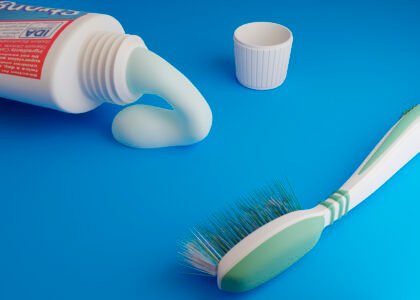
Brushing twice daily with a soft-bristled toothbrush is non-negotiable. Although zirconia itself doesn’t decay, the natural tooth underneath still can. Use fluoride toothpaste and focus on cleaning along the gumline where bacteria collect.
Flossing is equally important. Floss carefully around your crowns and bridges to remove plaque buildup. Water flossers are particularly effective for patients with bridges.
Some whitening toothpastes contain abrasive particles that can dull the polish of zirconia surfaces over time. While zirconia is extremely durable, surface roughness can increase plaque retention.
Choose a low-abrasive toothpaste recommended by your dentist to maintain shine and prevent bacterial buildup.
Zirconia is strong, but it’s not indestructible. Chewing ice, hard candies, or using your teeth to open packaging can cause cracks.
Sticky foods like caramel may loosen cemented restorations. If you’ve ever compared dental implants vs crowns and bridges, you know that each solution has structural limits—care matters in both cases.
Teeth grinding exerts excessive pressure on restorations. Over time, this can weaken the bond or cause microfractures.
If you grind your teeth, invest in a custom night guard. This small preventive step can significantly extend the life of zirconium crowns and bridges.
Routine dental visits every six months allow early detection of issues like gum inflammation or minor cracks.
Dentists also check margins to ensure bacteria aren’t entering beneath the crown. Preventive visits reduce the cost of unexpected dental crowns and bridges in the future.
Healthy gums are the foundation of long-lasting restorations. Gum recession exposes margins and increases sensitivity.
If you notice bleeding or swelling, don’t ignore it. Crowns book appointments early to prevent complications.
Many patients focus only on the bridge crown cost. However, zirconia’s longevity often makes it more cost-effective long-term.
Compared to traditional crown and bridge alloys, zirconia provides better aesthetics and strength, reducing replacement frequency.
The quality of fabrication directly affects durability. A poorly designed zirconia crown bridge can cause bite imbalance.
Advanced labs use digital scanning and CAD/CAM technology for precise fit, ensuring your crowns and bridges function naturally.
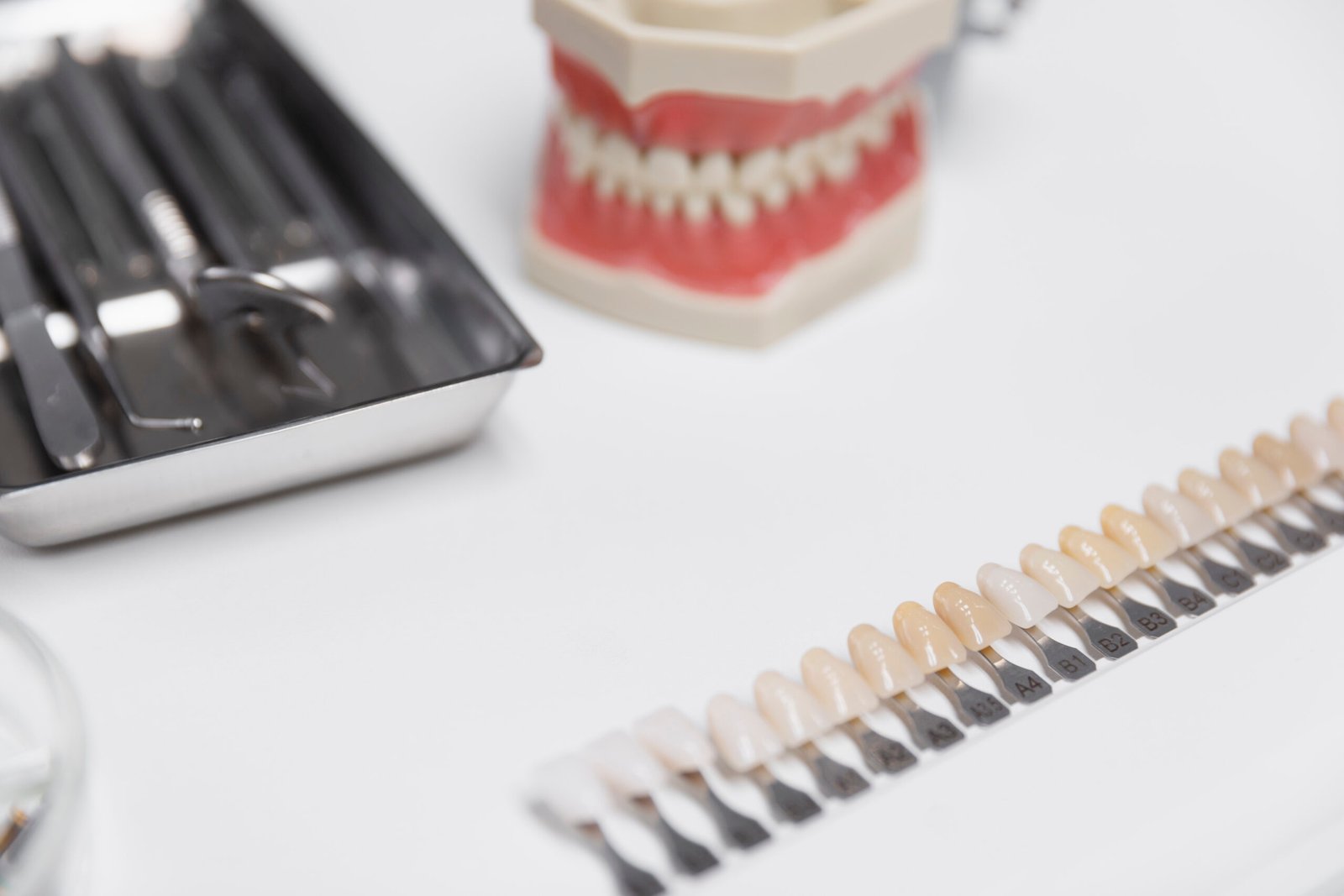
Zirconia has revolutionized crowns and bridges. Unlike older metal-based materials, it offers both strength and aesthetics. The phrase “I craft crowns of gold and bridges of silver” may sound poetic, but modern dentistry has moved toward stronger ceramic-based solutions.
Zirconia anterior bridge restorations are especially popular for front teeth because they blend seamlessly with natural enamel. Patients no longer have to worry about dark metal lines at the gum margin.
The dental crowns and bridges cost varies depending on material, location, and complexity. While zirconia may cost slightly more upfront than metal-ceramic restorations, it typically requires fewer replacements.
When comparing dental implants vs crowns and bridges, implants may last longer but involve surgery and higher expenses. Each case depends on oral health, bone density, and budget.
Your smile deserves expert care—especially when it comes to zirconium crowns and bridges.
If you’re experiencing discomfort, gum issues, or concerns about your crowns and bridges, we are here to help! Make an appointment at our tooth lab clinic office by calling (925) 705-7093 or book an appointment online today. Protect your investment and keep your smile strong for years to come.
Modern dentistry has evolved dramatically, and zirconia has become a gold standard for crowns and bridges for teeth treatment. With unmatched durability, natural aesthetics, and biocompatibility, zirconium crowns and bridges offer both function and beauty.
However, no restoration is maintenance-free. Just as you would protect a valuable investment, caring for your dental restorations ensures long-term success. From choosing non-abrasive toothpaste to scheduling regular checkups, small habits make a big difference.
Whether you’re considering a zirconia anterior bridge, comparing dental implants vs crowns and bridges, or evaluating bridge crown cost, informed decisions lead to better outcomes.
Your smile is powerful—take care of it wisely.
With proper care, zirconium crowns and bridges can last 15 years or longer. Studies show over 90% survival after 10 years.
Yes. A zirconia crown bridge offers better aesthetics, biocompatibility, and strength compared to traditional crown and bridge alloys.
The dental crowns and bridges cost varies, but zirconia may range higher than metal options due to material quality and lab precision.
Dental implants vs crowns and bridges depend on bone health and budget. Implants are surgical but long-lasting; bridges are less invasive.
Zirconia anterior bridge restorations resist stains well, but good hygiene is essential to prevent plaque buildup around margins.