
Yellow Teeth Reasons are often overlooked—have you ever wondered why your teeth gradually lose their bright white color even when you brush daily?
Many people believe that yellow teeth only result from poor brushing habits, but the truth is far more complex. According to dental research, over 60% of adults experience some level of tooth discoloration during their lifetime. Tooth color changes occur due to several internal and external factors, including diet, aging, lifestyle habits, and even certain medications. Understanding the causes of yellow teeth can help you take the right preventive steps before the staining becomes permanent.
Recent studies published in dental health journals show that beverages like coffee, tea, and wine are among the leading contributors to discoloration. However, they are not the only culprits. Many surprising reasons for teeth discoloration, such as enamel damage, natural aging, and smoking, can gradually darken your smile. In fact, yellow teeth causes in adults often develop slowly, making them difficult to notice until the color change becomes obvious.
Fortunately, most discoloration issues can be prevented or reversed with the right care and awareness. From identifying hidden habits to exploring yellow teeth treatment options, understanding the root causes can help restore confidence in your smile.
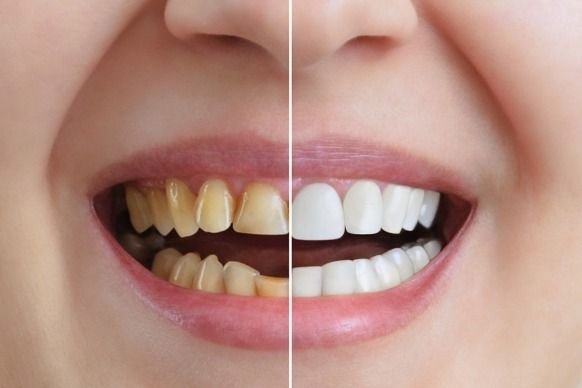
In this guide, you will discover the most surprising Yellow Teeth Reasons, how they affect your oral health, and practical ways to transform yellow teeth to white again.
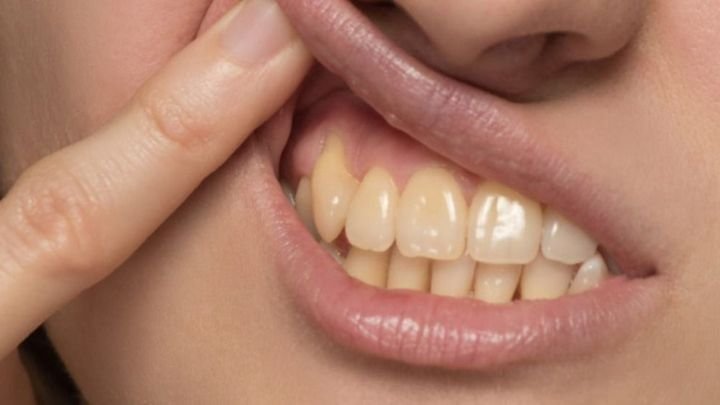
One of the most common Yellow Teeth Reasons is drinking beverages like coffee and tea. These drinks contain tannins that stick to tooth enamel and cause gradual discoloration. Frequent consumption without rinsing the mouth afterward can lead to long-term staining.
Coffee and tea pigments can slowly penetrate the enamel surface and create dark stains over time. People who drink multiple cups daily may notice their teeth becoming yellow faster. Using a straw for cold beverages or rinsing your mouth after drinking can help reduce staining.
Poor oral hygiene habits, such as irregular brushing and flossing, allow plaque to build up. Plaque contains bacteria that can cause tooth staining and contribute to the reasons for yellowing of teeth.
When plaque hardens, it turns into tartar, which has a yellow or brown color. This buildup can make teeth look darker even if the enamel itself is healthy. Brushing twice a day and flossing regularly can help prevent these stains.
Smoking and tobacco stains are among the strongest contributors to tooth discoloration. Nicotine and tar create stubborn yellow or brown stains that are difficult to remove without professional cleaning.
Over time, tobacco chemicals penetrate deep into the enamel layers. This makes stains darker and harder to remove with normal brushing. Quitting smoking can significantly improve oral health and prevent further discoloration.
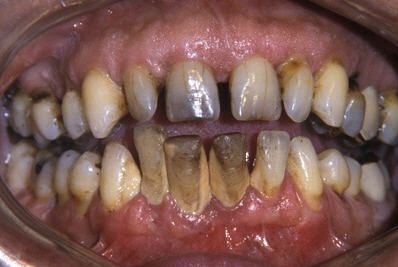
Tooth enamel erosion occurs when the protective outer layer of teeth wears down due to acidic foods, soda, or acid reflux. As enamel thins, the yellowish dentin underneath becomes more visible.
Acidic drinks such as soft drinks and citrus juices are common causes of enamel damage. Once enamel is lost, it cannot grow back naturally. Protecting enamel with proper diet and fluoride toothpaste is essential.
Aging and yellow teeth go hand in hand. Over time, enamel naturally becomes thinner and darker dentin shows through. This is one of the most natural Yellow Teeth Reasons seen in adults.
Years of eating, drinking, and everyday wear slowly affect tooth color. Even people with excellent oral hygiene may notice discoloration as they age. Professional whitening treatments can often restore brightness.
Some antibiotics and medications can affect tooth color. Tetracycline antibiotics, when taken during childhood, are known to cause permanent discoloration.
Certain antihistamines and blood pressure medications may also contribute to tooth staining. These drugs can affect enamel development or cause internal discoloration. Dentists often recommend whitening solutions to manage these stains.
Frequent consumption of sugary snacks, soda, and acidic foods weakens enamel and accelerates staining. Sugar feeds bacteria that produce acids which damage teeth.
These acids gradually erode enamel and expose the yellow dentin underneath. Sticky sweets can also remain on teeth longer and cause discoloration. Reducing sugar intake helps protect tooth color and overall oral health.
Sometimes, why teeth turn yellow is simply genetic. Some people naturally have thicker dentin or thinner enamel, which makes their teeth appear darker.
Genetics can also influence enamel strength and natural tooth shade. Some individuals are born with naturally whiter teeth than others. In such cases, whitening treatments can help improve appearance.
Improper brushing habits during childhood can lead to long-term yellow teeth causes in adults. When children do not develop proper oral hygiene routines, plaque buildup becomes common.
This buildup can slowly stain teeth as they grow older. Poor childhood habits may also weaken enamel structure. Teaching children correct brushing habits helps prevent future discoloration.
Skipping regular dental checkups can allow plaque and tartar buildup to stain teeth, making them appear yellow over time. Professional cleaning removes stains that normal brushing cannot eliminate.
Dentists use specialized tools to remove hardened tartar from teeth. Regular checkups also help detect early dental problems. Visiting a dentist every six months can help maintain a bright smile.
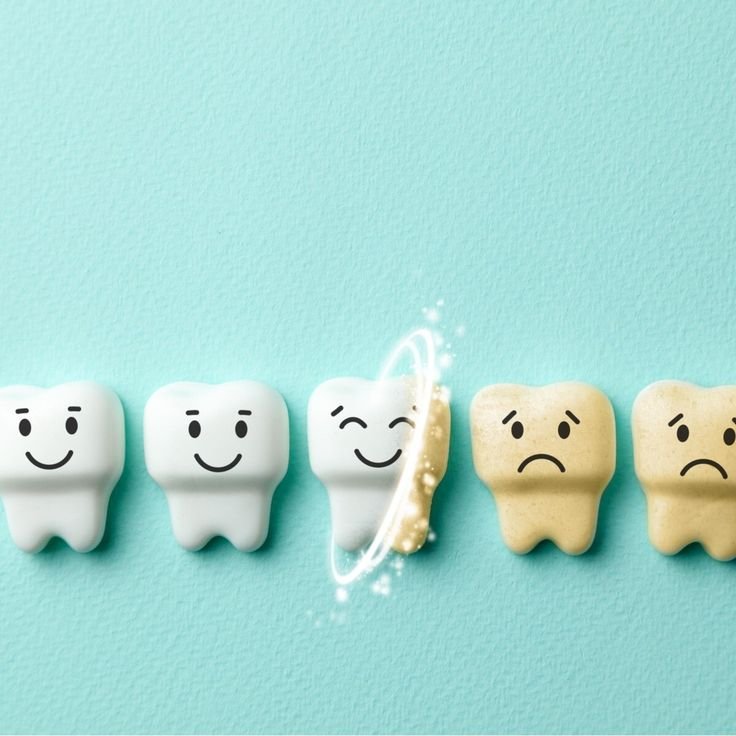
Taking care of your smile today can prevent long-term discoloration tomorrow. If you are concerned about Yellow Teeth Reasons or want professional guidance on improving your smile, our dental team is here to help.
Make an appointment with our tooth lab clinic office by calling (925) 705-7093 or by booking an appointment online. Early care and the right yellow teeth treatment can help restore your confidence and oral health.
Understanding the hidden reasons for yellow teeth can help you take control of your oral health before the problem worsens. Many people assume that discoloration is only caused by poor brushing habits, but research shows that factors such as stained teeth from coffee or tea, smoking and tobacco stains, and tooth enamel erosion play a major role. Even natural changes, such as aging and yellow teeth, can gradually darken your smile over time. For example, someone who drinks coffee daily without rinsing their mouth may notice stains appearing faster than someone who limits these beverages.
Fortunately, most staining issues can be managed with simple lifestyle changes and proper dental care. Practicing good brushing habits, reducing stain-causing foods, and visiting a dentist regularly can significantly reduce teeth discoloration. In many cases, professional yellow teeth treatment or yellow teeth treatment at home can help transform yellow teeth to white again. By identifying why teeth turn yellow and taking preventive action, you can maintain a brighter and healthier smile for years to come.
The most common Yellow Teeth Reasons include stained teeth from coffee or tea, smoking, poor oral hygiene, aging, and tooth enamel erosion.
Many people wonder why their teeth turn yellow even with good brushing habits. This can happen due to genetics, aging, or internal teeth discoloration reasons such as enamel thinning.
Yellow teeth causes in adults often include smoking, drinking coffee or tea frequently, poor oral hygiene habits, and natural aging.
Yes, with the right yellow teeth treatment or yellow teeth treatment at home, many stains can be removed and a transformation from yellow teeth to white is possible.
Preventing reasons for yellowing teeth involves brushing twice daily, limiting staining foods, quitting smoking, and scheduling regular dental cleanings.