
Tooth X Ray Machine technology has completely transformed modern dentistry—but how much do you really know about it?
Dental problems like cavities, infections, and bone loss often develop silently beneath the surface. According to global dental health studies, nearly 3.5 billion people suffer from oral diseases, and many of these conditions go unnoticed without proper imaging. That’s where advanced imaging systems step in. Modern dental radiography has reduced radiation exposure by up to 80% compared to traditional film-based systems, while increasing diagnostic accuracy significantly.
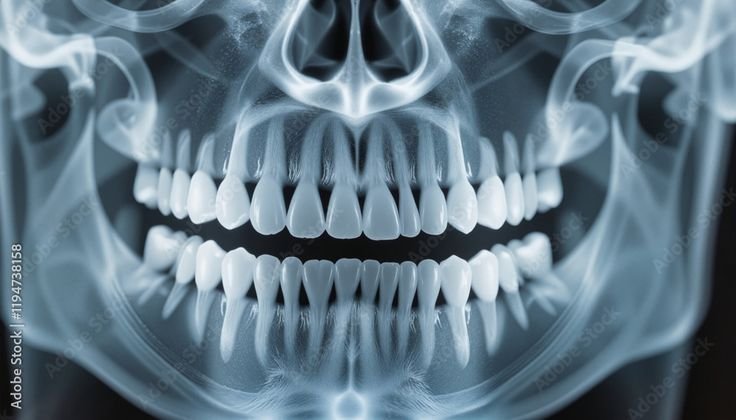
A Tooth X Ray Machine allows dentists to detect hidden decay, impacted teeth, bone infections, cysts, and even early signs of oral cancer long before symptoms appear. With digital imaging, AI-assisted diagnostics, and portable solutions now available, dental care has become faster, safer, and more precise than ever before.
In this comprehensive guide, you’ll discover 9 amazing facts about dental imaging technology, understand how is tooth x ray done, explore safety concerns like “Is X-ray for teeth safe?”, and learn how to choose the best system for your clinic or personal care. By the end, you’ll feel informed, confident, and empowered about dental X-ray technology.
A Tooth X Ray Machine reveals cavities between teeth, bone loss, infections, and impacted wisdom teeth that cannot be seen during a routine oral exam. Studies show that up to 25% of cavities occur between teeth—areas only visible through radiographic imaging.
This diagnostic advantage prevents minor issues from turning into root canals or extractions. For example, early-stage decay detected via bitewing X-rays can be treated with simple fillings instead of expensive procedures.
Many patients ask, “Is an X-ray for teeth safe?” The answer is yes—modern systems use minimal radiation. Digital dental X-ray units use sensors that reduce exposure by up to 80–90% compared to traditional film.
To put it into perspective, a single dental X-ray exposes you to less radiation than a short airplane flight. Protective lead aprons and thyroid collars further enhance safety.
Today’s Tooth X Ray Machine systems use digital sensors instead of film. These provide instant high-resolution images that can be zoomed, enhanced, and shared electronically.
This technology improves diagnosis accuracy and reduces retakes. Dentists can adjust brightness and contrast, helping detect micro-fractures or tiny cavities that might otherwise go unnoticed.
Not all systems are the same. The dental x ray units system use includes intraoral, panoramic, and CBCT (Cone Beam CT) machines.
Intraoral systems focus on individual teeth, panoramic machines capture the entire jaw in one image, and CBCT offers 3D imaging for complex cases like implants. Understanding which dental X-ray machine is best depends on the clinic’s needs and patient requirements.
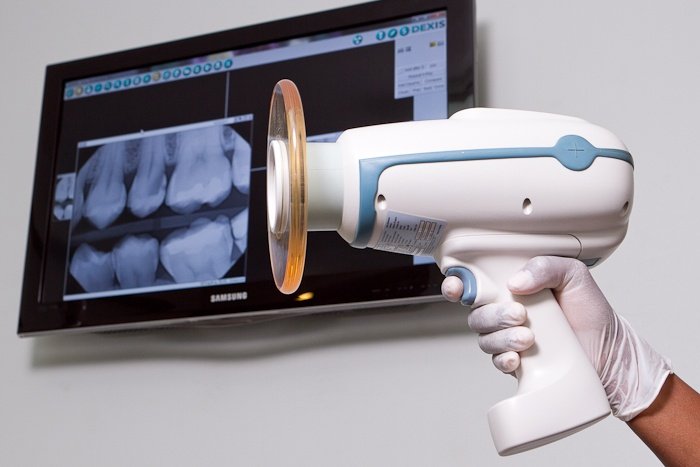
The rise of portable dental X-ray machines has revolutionized dental care in rural and emergency settings.
Portable systems allow dentists to perform imaging chairside without moving patients. They are lightweight, battery-operated, and ideal for home care services or community dental camps.
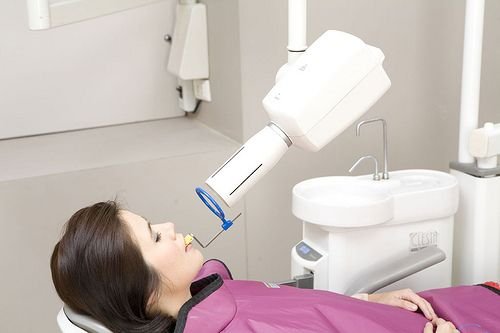
Many patients feel anxious because they don’t know how a tooth x ray done. The process is simple and painless.
A small sensor or film is placed inside your mouth while the machine emits a quick burst of radiation. The entire process takes seconds. Digital results appear almost instantly, allowing immediate diagnosis and treatment planning.
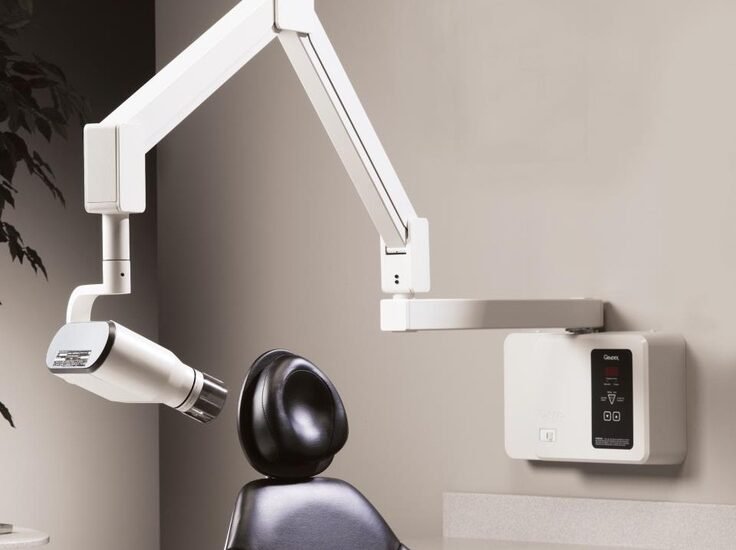
To understand performance, it helps to know the dental x ray machine parts. Key components include the X-ray tube head, control panel, extension arm, and digital sensor.
The tube head generates radiation, while the control panel regulates exposure time. High-quality sensors significantly improve image clarity and reduce radiation levels.
The dentist x ray machine price depends on features and imaging capabilities. Basic intraoral units may cost significantly less than advanced 3D CBCT systems.
Clinics investing in modern equipment often see faster diagnoses, improved patient trust, and better treatment outcomes—making it a worthwhile investment.
Some patients wonder, “Should I refuse dental X-rays?” While you have the right to refuse, doing so may delay the detection of serious issues.
Dentists recommend X-rays based on individual risk factors such as age, oral hygiene, and medical history. Skipping them could mean missing early decay or bone loss.
If you think you may have gum disease or an undiagnosed dental issue, we are here to help!
Make an appointment at our tooth lab clinic office by calling (925) 705-7093 or by booking an appointment online.
Early diagnosis with advanced imaging can protect your smile, prevent costly treatments, and give you peace of mind.
The evolution of the Tooth X Ray Machine has redefined modern dental care. From detecting invisible cavities to enabling complex implant planning, these machines play a vital role in preventive and restorative dentistry. Technological advancements like digital imaging and portable units have made procedures safer, faster, and more comfortable.
Understanding how dental x ray units system use works, knowing the dental x ray machine parts, and addressing concerns like “Is X-ray for teeth safe?” empowers patients to make informed decisions. Whether you’re a patient seeking clarity or a clinic evaluating dentist x ray machine price options, knowledge is your strongest tool. With the right information, you can protect your oral health confidently and proactively.
Yes, modern Tooth X Ray Machine systems use minimal radiation. Digital imaging reduces exposure significantly, and protective gear enhances safety.
The dentist places a small sensor inside your mouth and activates the machine briefly. The process is quick, painless, and highly effective.
The best system depends on your needs. Intraoral systems are ideal for routine exams, while CBCT machines are best for implants and surgeries.
Key components include the tube head, control panel, extension arm, and digital sensor, all working together to produce clear images.
While patients can refuse, dentists recommend them for early detection. Skipping X-rays may delay diagnosis of hidden problems.