
Teeth Whitening is one of the most requested cosmetic dental treatments today—but is it really safe, effective, and worth it? Studies show that nearly 80% of adults between 18–49 want whiter teeth, and the global cosmetic dentistry market continues to grow each year. A brighter smile is strongly linked to confidence, better first impressions, and even professional success.
Thanks to modern dental research, today’s Teeth Whitening procedures are more advanced, controlled, and safer than ever before. From professional in-clinic treatments to At-home Teeth Whitening kits, there are multiple options available depending on your goals and budget. But not all whitening methods are equal. In this blog, you’ll discover six incredible facts about Teeth Whitening, including safety, effectiveness, risks, and expert insights—so you can confidently choose the best solution for your smile.
One of the biggest concerns patients have is safety. The truth is, Teeth Whitening is considered safe when performed or supervised by a dental professional. Dentists use controlled concentrations of whitening agents that protect enamel and gums. Clinical studies confirm that professional whitening does not damage enamel when used correctly. In fact, research shows that supervised whitening treatments maintain enamel integrity while effectively removing stains.
The Best professional Teeth Whitening treatment includes protective barriers for gums, customized trays, and precise timing to avoid overexposure. While Tooth Bleaching sounds aggressive, it simply refers to peroxide-based solutions breaking down stain molecules into smaller particles. Professional care significantly reduces sensitivity and uneven results compared to unsupervised treatments. Dentists also evaluate your oral health beforehand, ensuring there are no cavities or gum issues that could worsen during whitening.
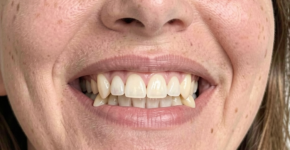
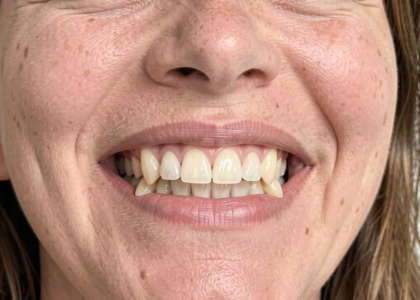
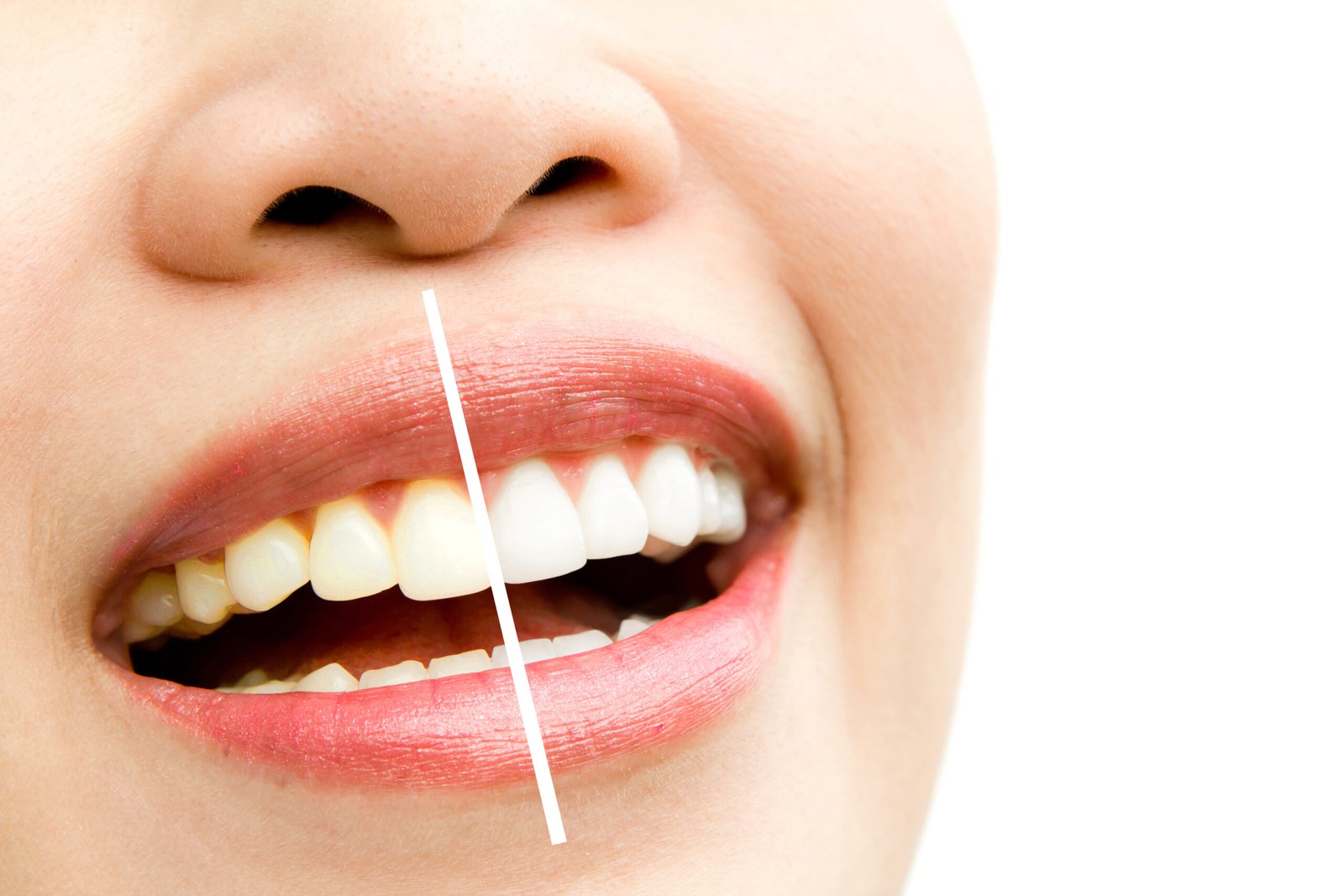
Many people are surprised by how quickly Smile Whitening works. In-office treatments can brighten teeth by 3–8 shades in a single visit, depending on the original color and stain type. This makes it ideal before weddings, interviews, photoshoots, or important social events where confidence matters.
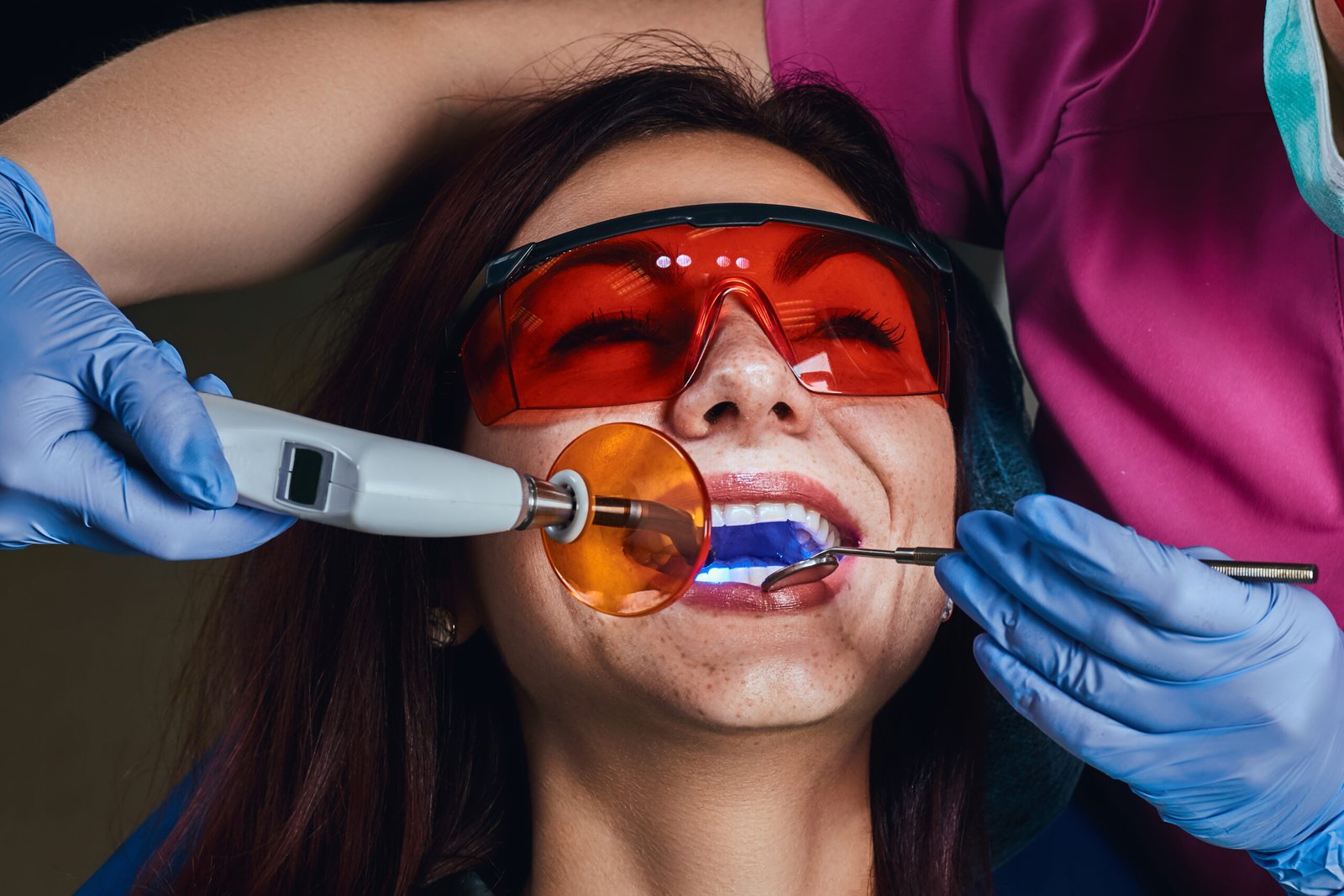
However, results depend on stain type. Surface stains from coffee, tea, or smoking respond quickly, while intrinsic stains caused by medications or aging may require multiple sessions. Understanding what to expect during a Teeth Whitening session helps manage expectations. Dentists typically perform cleaning, apply protective gel, use whitening agents, and sometimes activate the gel with light or laser. Seeing visible improvement immediately boosts confidence and motivation to maintain oral hygiene.
At-home Teeth Whitening kits are popular because they are affordable and easy to use. These include whitening strips, trays, pens, and LED devices. While effective for mild discoloration, they typically take 2–3 weeks to show visible improvement because the peroxide concentration is lower than professional treatments.
The downside? Overuse or incorrect application may cause gum irritation, tooth sensitivity, or uneven results. That’s why dentists recommend professional guidance even when using at-home products. Compared to in-office Teeth Whitening, home kits are safer for gradual improvement but not ideal for dramatic shade changes. If used correctly and consistently, they can help maintain professional results over time.
Laser Teeth Whitening benefits and risks are often discussed online, but when done properly, it is one of the fastest and most effective whitening methods available. The laser activates the whitening gel, allowing deeper penetration and faster stain breakdown. Many patients achieve noticeable results within 45–60 minutes.
The risks are minimal when performed by a trained dentist, though temporary sensitivity may occur. Laser treatments are considered one of the Best professional Teeth Whitening treatment options for patients seeking immediate brightness. However, individuals with extremely sensitive teeth or thin enamel should consult their dentist first. Personalized evaluation ensures optimal results with minimal discomfort.
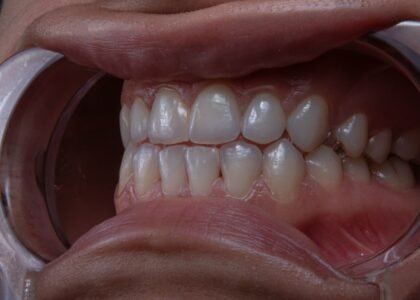
A common misconception is that Teeth Whitening works on crowns, veneers, fillings, or bonding. It does not. Whitening agents only affect natural enamel. If you have restorations, your dentist may recommend replacing or adjusting them after whitening so they match the new shade.
Understanding this fact prevents disappointment. Tooth Bleaching enhances natural teeth but does not alter artificial materials. For example, if you whiten your teeth but have a visible front crown, the crown will remain the same shade. A professional consultation ensures a balanced, aesthetically pleasing smile.
The longevity of Teeth Whitening depends heavily on lifestyle habits. Avoiding coffee, red wine, cola, turmeric, and smoking can significantly extend results. Brushing twice daily, flossing, and using whitening toothpaste also help maintain brightness for 1–3 years.
Touch-up treatments, whether in-office or with customized trays, can refresh your smile every 6–12 months. Smile Whitening isn’t permanent because teeth naturally absorb stains over time. However, with mindful care and routine dental cleanings, your bright smile can last much longer than expected.
Ready to transform your smile? At Tooth Lab Clinic, we offer advanced Teeth Whitening treatments tailored to your needs. Whether you choose in-office whitening, laser treatment, or guided home kits, our dental experts ensure safe, effective, and long-lasting results.
Book your appointment today and take the first step toward a brighter, more confident smile.
Yes, Teeth Whitening can be safe for sensitive teeth when supervised by a dentist. Dentists adjust peroxide strength and may apply desensitizing gels before or after treatment. Professional Smile Whitening significantly reduces risks compared to unsupervised whitening attempts.
If you’re wondering what to expect during a Teeth Whitening session, the process typically includes cleaning your teeth, protecting your gums, applying whitening gel, and sometimes using laser activation. The session lasts 45–90 minutes and can brighten your teeth several shades in one visit.
Teeth bleaching results usually last between 1–3 years. Avoiding stain-causing foods and scheduling periodic touch-ups can extend brightness and maintain a radiant smile.
At-home Teeth bleaching kits can improve mild discoloration over time. However, they deliver slower results compared to the Best professional Teeth Whitening treatment offered at dental clinics.
Laser Teeth bleaching benefits and risks vary depending on oral health. Benefits include faster and deeper stain removal, while risks may include temporary tooth sensitivity. Professional supervision minimizes complications and ensures safe results.