
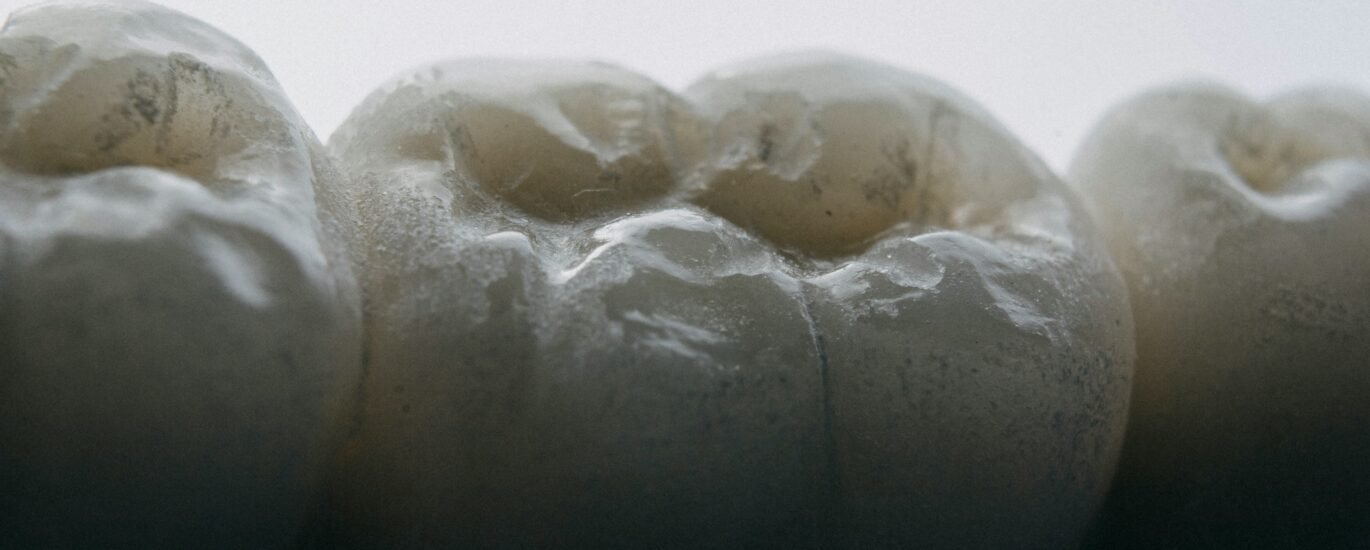
Teeth Diagram Names are the foundation of understanding your oral health—but do you really know what each part of your tooth is called and why it matters?
According to global dental health studies, nearly 70% of adults don’t fully understand basic dental anatomy, even though they visit a dentist at least once a year. Dental schools rely heavily on a dental anatomy textbook, a detailed teeth anatomy chart, and a properly labeled human teeth diagram to teach students the structure and function of each tooth part. Whether you’re a student preparing for exams, a parent helping your child with a teeth diagram to label, or simply curious about your smile, understanding these names can dramatically improve how you care for your teeth.
In this comprehensive guide, you’ll discover the 10 essential tooth parts explained in simple yet detailed language, learn how to read a teeth diagram number, and confidently understand any teeth diagram drawing you see—by the end, you’ll master dental anatomy like a pro.
Understanding Teeth Diagram Names becomes much easier when you break the tooth into its main components. Below are the 10 essential parts every teeth diagram easy guide includes.
The crown is the visible part of the tooth above the gum line. It is covered by enamel and designed to handle chewing pressure. In a human tooth diagram, the crown is the topmost section and often highlighted in a teeth anatomy chart because it’s the most exposed and vulnerable part to cavities.
Enamel is the hardest substance in the human body. It protects the inner layers of the tooth from bacteria and temperature changes. However, once enamel erodes, it cannot regenerate naturally. That’s why fluoride treatments are essential.
Dentin lies beneath the enamel and forms the bulk of the tooth structure. It is softer than enamel and contains microscopic tubules that transmit sensations like heat and cold.
The pulp is the soft inner tissue containing nerves and blood vessels. If decay reaches this layer, it can cause severe pain and may require root canal treatment.
The root anchors the tooth into the jawbone. Unlike the crown, it is not visible. In most teeth diagram drawing models, the root appears elongated and embedded in the bone.
Cementum covers the root and helps attach the tooth to the surrounding bone through connective tissues. It plays a crucial role in tooth stability.
This ligament connects the tooth to the bone. It acts as a shock absorber when you chew food, preventing damage from biting pressure.
The gum surrounds and protects the base of the teeth. Healthy gums are essential to avoid gum disease and tooth loss.
Inside the root lies the root canal, which houses the pulp tissue. It is commonly discussed in dental procedures when infection spreads.

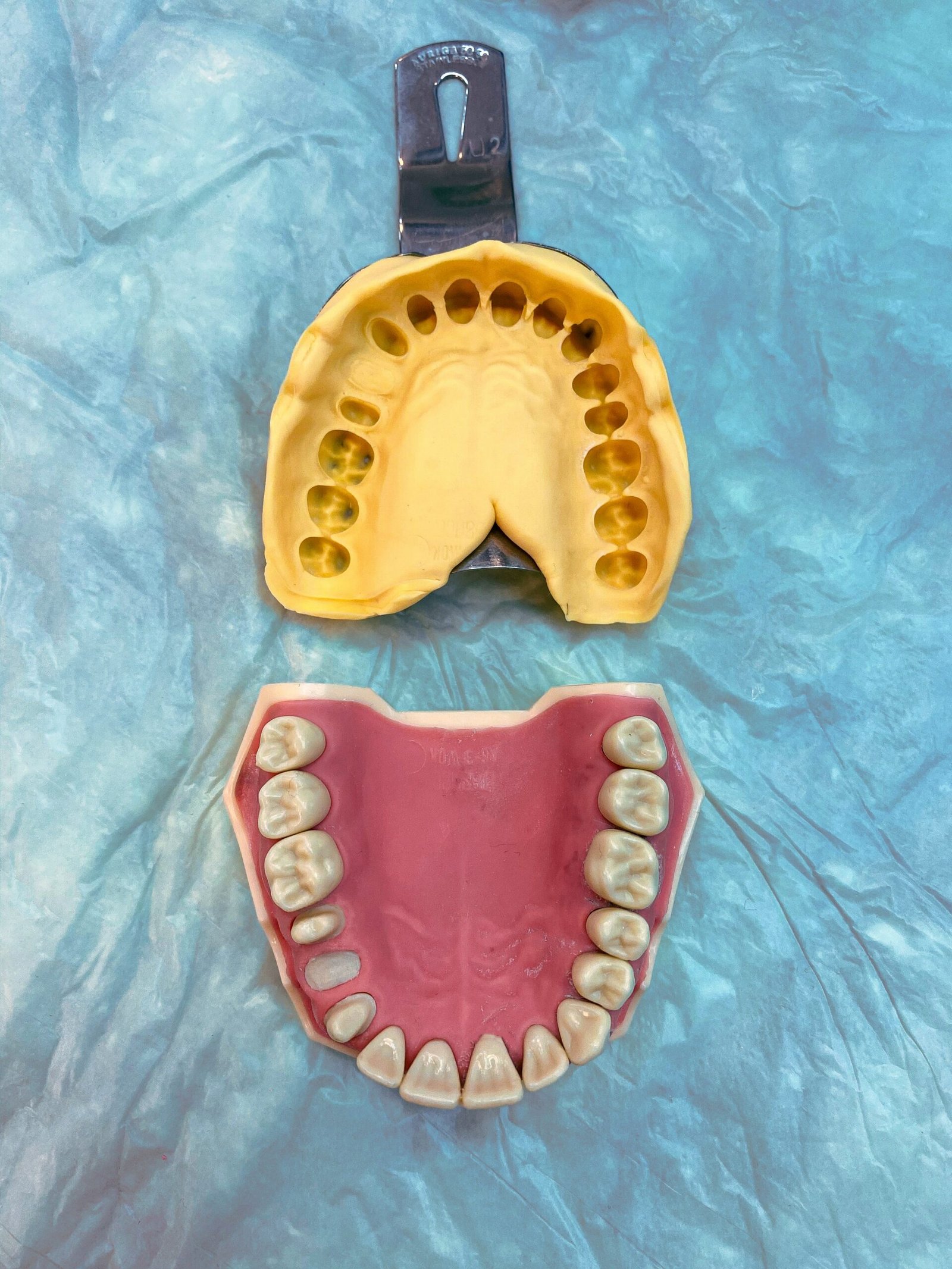
The teeth diagram number system helps dentists identify each tooth quickly. Adults typically have 32 teeth, and each one has a specific number in dental records.
Learning Teeth Diagram Names isn’t just for dental students. Research shows that patients who understand basic tooth anatomy are more likely to follow preventive care instructions. When you look at a tooth diagram to label, you begin to see how decay spreads from enamel to dentin to pulp, which explains why early treatment is critical.
For example, if a dentist explains that your cavity has reached the dentin, you’ll understand why sensitivity occurs. Using a teeth diagram easy reference makes complex dental conversations simpler. Even in schools, students use a dental anatomy textbook and a teeth anatomy chart to build foundational knowledge before moving into clinical practice.
If you want to master Teeth Diagram Names, start with a printable teeth diagram human and practice labeling it daily. Many online resources provide a blank teeth diagram to label, which is perfect for exam preparation.
You can also sketch your own tooth diagram drawing. Studies suggest that drawing and labeling improve memory retention by nearly 30%. Combine this with reviewing the teeth diagram number system, and you’ll confidently identify molars, premolars, incisors, and canines.
Many beginners confuse enamel with dentin or mix up cementum and periodontal ligament. Reviewing a detailed teeth anatomy chart regularly helps eliminate confusion. Another common mistake is ignoring the numbering system, which is crucial in dental communication.
By revisiting Teeth Diagram Names multiple times, especially with visual aids, you reinforce long-term understanding.
If you think you may have gum disease, we are here to help! Make an appointment at our Tooth Lab Clinic office by calling (925) 705-7093 or by booking an appointment online. Early detection and understanding your dental structure can save your natural teeth and prevent costly procedures.
Understanding Teeth Diagram Names empowers you to take control of your oral health. Whether you’re studying from a dental anatomy textbook, reviewing a teeth anatomy chart, or helping a child complete a teeth diagram drawing, knowing these parts improves communication with your dentist and strengthens preventive care habits.
Dental knowledge isn’t just academic—it’s practical. The more familiar you are with your tooth structure, the better decisions you’ll make about hygiene, diet, and treatment. Start today, review a teeth diagram human, practice labeling, and build a healthier smile for life.
Teeth Diagram Names refer to the labeled parts of a tooth shown in a teeth diagram human model, including enamel, dentin, pulp, and root.
A teeth diagram to label improves understanding of tooth structure and helps students memorize parts effectively.
The teeth diagram number system assigns numbers to each tooth for accurate dental identification and treatment planning.
Start with a simple teeth diagram drawing, outline the crown and root, then label enamel, dentin, pulp, and gum using a teeth anatomy chart as a reference.
A well-structured dental anatomy textbook provides detailed explanations, diagrams, and labeling practice for mastering tooth structure.