
Gum disease is one of the most common yet dangerously ignored oral health problems affecting adults worldwide. Many people focus only on their teeth while overlooking their gums, not realizing that healthy gums are the foundation of a healthy smile. The early stages of gum disease often develop silently, without severe pain, making it easy to dismiss the warning signs.
Ignoring these symptoms can lead to serious consequences such as tooth loss, chronic infections, and even complications affecting overall health. Understanding the early signs of gum disease can help you seek timely treatment and prevent long-term damage. In this article, we discuss 6 early signs of gum disease you should never ignore and why prompt dental care is essential.
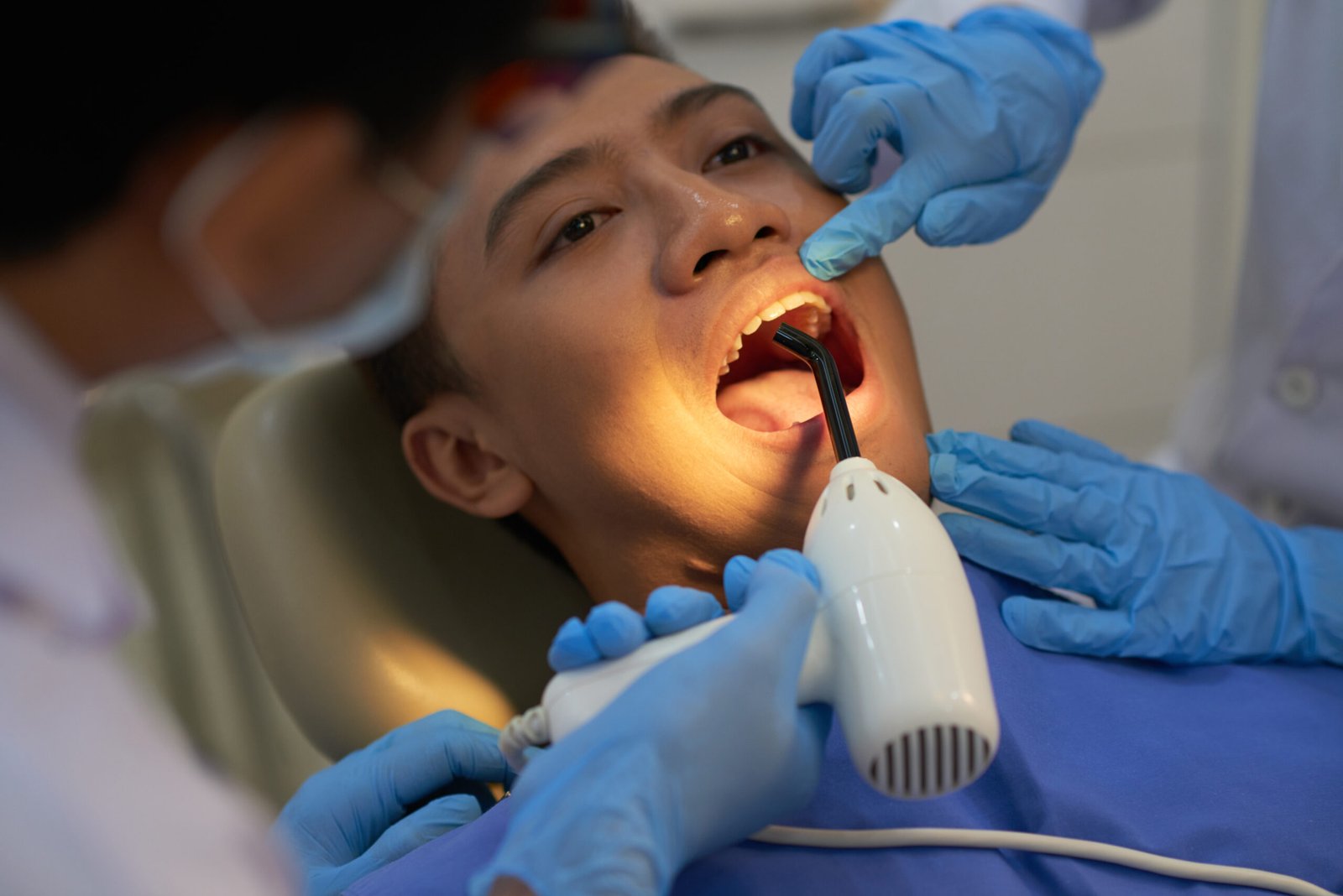
Gum disease, also known as periodontal disease, is an infection of the tissues that support and surround the teeth. It usually begins with plaque buildup caused by bacteria in the mouth. If not removed through proper oral hygiene, this plaque hardens into tartar, which irritates the gums and leads to inflammation. Over time, the infection can spread deeper, damaging gum tissue and the bone that supports the teeth.
Early detection is key, which is why recognizing the signs of gum disease is so important.
Bleeding gums are one of the earliest and most common signs of gum disease. Many people assume that bleeding is normal, but healthy gums should not bleed. Frequent bleeding often indicates inflammation caused by plaque buildup along the gum line. Regular dental checkups help identify the cause early and prevent the condition from progressing into advanced gum disease.
Persistent bleeding is a warning sign that should never be ignored, as it often indicates gingivitis.
Healthy gums appear firm and pale pink. If your gums look red, swollen, or feel tender, it may indicate inflammation caused by infection. This inflammation is often the body’s response to harmful bacteria accumulating around the gum line. Without proper treatment, the infection can worsen and lead to gum recession and bone loss.
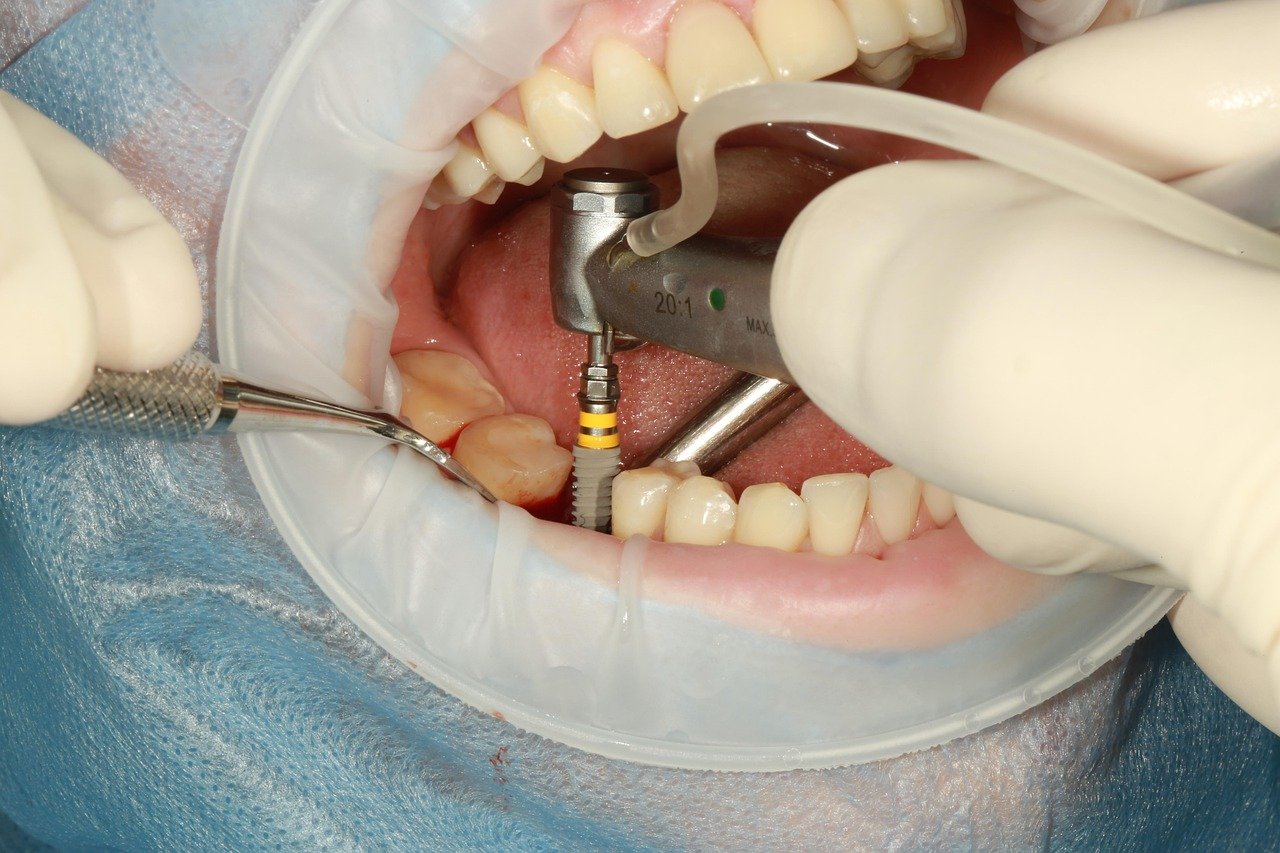
Swollen gums can trap more bacteria, worsening the infection. Without treatment, this inflammation can progress to periodontitis, leading to gum recession and bone loss.
Occasional bad breath is common, but chronic bad breath that does not improve with brushing or mouthwash may be a sign of gum disease. Bacteria trapped beneath the gums release unpleasant odors that regular oral hygiene cannot eliminate. Persistent bad breath often indicates an underlying infection that requires professional dental treatment.
Persistent bad breath often signals an underlying gum infection that requires professional treatment.
Gum recession occurs when the gum tissue pulls back, exposing more of the tooth or its root.
This is a serious sign of progressing gum disease. Exposed roots can lead to increased tooth sensitivity and a higher risk of decay. If left untreated, gum recession can result in permanent damage and eventual tooth loss.
Once gum tissue is lost, it does not grow back naturally. Early dental intervention can slow or stop further damage and protect the remaining gum tissue.
Discomfort while chewing is another sign that gum disease may be affecting the deeper structures of the mouth. Inflamed or infected gums can make biting and chewing painful, especially when pressure is applied. This discomfort may indicate damage to the supporting tissues or bone and should be evaluated by a dentist promptly.
Ignoring pain can allow the infection to spread, increasing the risk of tooth mobility and loss.
Loose teeth are a dangerous warning sign of advanced gum disease. At this stage, the infection may have damaged the bone supporting the teeth. As the bone weakens, teeth lose stability and may shift or fall out. Immediate dental treatment is crucial to stop further damage and preserve remaining teeth.
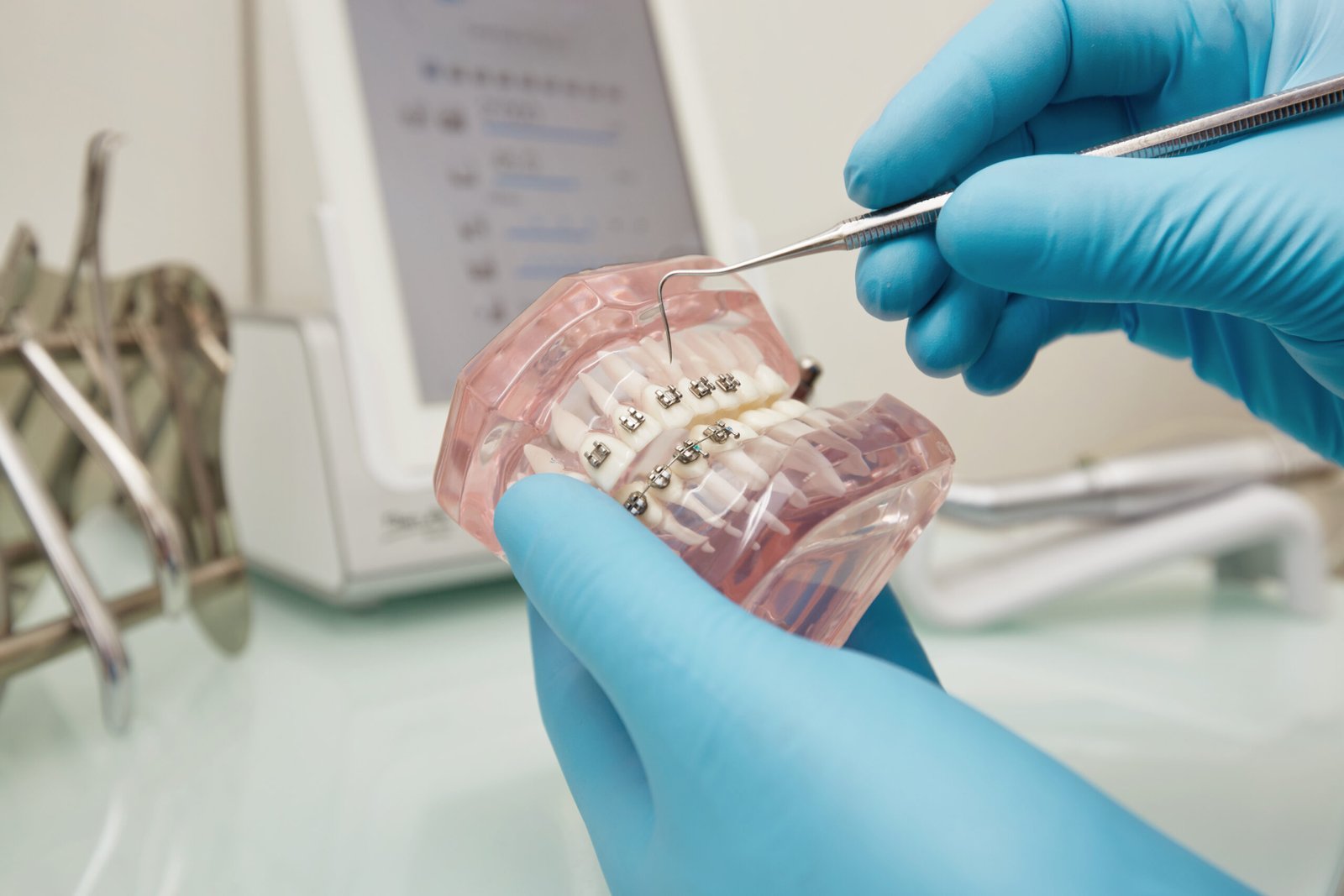
This stage requires immediate dental care to prevent permanent tooth loss and further complications.
Understanding the causes can help prevent the condition from developing or worsening.
Regular dental visits and proper oral care significantly reduce these risks.
Prevention is always better than treatment. Simple habits can protect your gums and overall oral health.
Consistent care helps remove plaque before it causes damage.
You should consult a dentist if you notice:
Early treatment can reverse gingivitis and prevent the progression to advanced gum disease.
Gum disease often starts quietly, but its consequences can be severe if left untreated. Recognizing the early signs of gum disease—such as bleeding gums, swelling, bad breath, gum recession, pain, and loose teeth—can save your smile and protect your overall health.
Regular dental checkups, proper oral hygiene, and timely treatment are essential to prevent gum disease from progressing. Never ignore these warning signs—your gums play a vital role in maintaining a healthy, confident smile.
The earliest signs include bleeding gums, redness, swelling, and persistent bad breath.
Yes, early-stage gum disease (gingivitis) is reversible with proper dental care and good oral hygiene.
If untreated, advanced gum disease can damage the bone and tissues supporting teeth, leading to tooth loss.
Most people should visit the dentist every six months, but those at higher risk may need more frequent visits.
Not always, but persistent bad breath that does not improve with hygiene may indicate gum disease and should be checked by a dentist.