
Pericoronitis Treatment at Home — Are you struggling with painful, swollen gums around your wisdom tooth and wondering if you can safely manage it yourself?
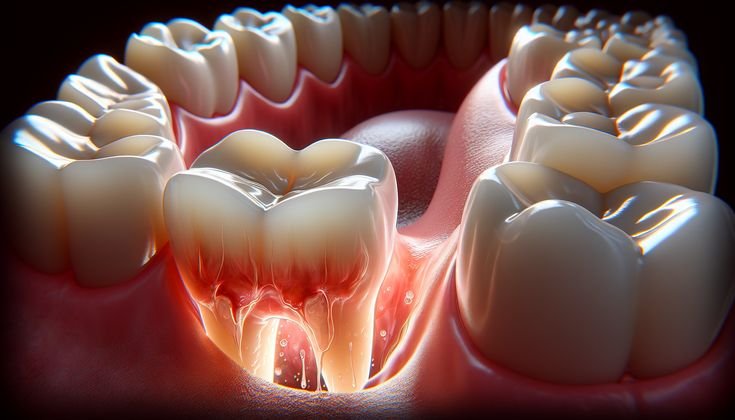
Pericoronitis refers to inflammation of the gum tissue surrounding a partially erupted wisdom tooth. Studies suggest that nearly 60–80% of young adults with partially erupted third molars experience some degree of pericoronitis infection during their lifetime. It commonly affects people between 20 and 29 years old and can cause severe pain, swelling, bad breath, and difficulty opening the mouth.
The primary causes of pericoronitis include trapped food debris, bacterial buildup under the gum flap (operculum), and poor oral hygiene. While severe cases may require pericoronitis antibiotics or professional pericoronitis removal, mild to moderate cases can often be managed temporarily with proper care at home.
Understanding the difference between emergency symptoms and manageable inflammation is critical. Ignoring early signs may allow infection to spread to surrounding tissues, sometimes requiring surgical treatment.
In this guide, you’ll discover 5 proven home remedies, when to use pericoronitis mouthwash, how to reduce inflammation safely, and when to seek professional care. By the end, you’ll have a clear action plan to relieve discomfort and protect your oral health confidently.
Saltwater is one of the most effective pericoronitis home remedies. It helps reduce bacteria, soothe inflammation, and flush out trapped food particles under the gum flap.
Mix half a teaspoon of salt in warm water and rinse for 30 seconds, 3–4 times daily. Research shows saline rinses can significantly lower bacterial counts in mild gum infections. While this doesn’t replace pericoronitis treatment by a dentist, it provides immediate relief and reduces swelling.
Using a medicated pericoronitis mouthwash containing chlorhexidine or diluted hydrogen peroxide can help control bacterial growth. Bacteria trapped around the wisdom tooth often cause bad taste and odor.
Use only as directed. Overuse may cause staining or irritation. If symptoms worsen, consult a dentist before starting pericoronitis antibiotics.
Rinse gently to avoid disturbing the inflamed gum tissue, and avoid eating or drinking for at least 30 minutes after use for maximum effectiveness. If irritation, burning, or increased swelling occurs, discontinue use and seek professional dental advice immediately.
If your jaw feels swollen or tender, apply a cold compress to the outside of your cheek for 15–20 minutes.
Cold therapy reduces inflammation and numbs pain. It is especially helpful when the pericoronitis infection causes facial swelling or difficulty chewing.
Repeat this process every few hours during the first 24–48 hours for better relief. Always wrap ice in a clean cloth to protect your skin and prevent frostbite.

Non-prescription anti-inflammatory medications like ibuprofen act as effective pericoronitis medicine for temporary relief.
These medications reduce pain and inflammation but do not cure infection. If fever or pus develops, immediate dental consultation is necessary.
Always follow the recommended dosage instructions and avoid mixing medications without professional guidance. If pain persists beyond a few days despite medication, it may indicate a deeper infection that requires prescription pericoronitis antibiotics.
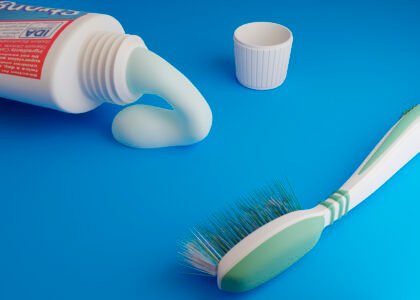
Gently brush around the affected tooth using a soft-bristled toothbrush. Consider using an oral irrigator to clean under the gum flap.
Poor hygiene is one of the leading pericoronitis causes. Keeping the area clean can prevent recurrence and delay the need for pericoronitis removal procedures.
Be careful not to apply excessive pressure, as aggressive brushing can worsen inflammation and irritation. Maintaining a consistent daily cleaning routine significantly reduces the risk of repeated pericoronitis infection episodes.

While Pericoronitis Treatment at Home can help manage mild inflammation, certain warning signs indicate you need professional care. These include persistent swelling lasting more than 3 days, difficulty swallowing, fever, or spreading pain.
In advanced cases, dentists may recommend pericoronitis antibiotics to eliminate infection or perform minor surgical cleaning. Sometimes, wisdom tooth extraction is necessary to prevent repeated infections. Ignoring symptoms can allow bacteria to spread to deeper tissues.
Your oral health matters. While Pericoronitis Treatment at Home can provide relief, persistent symptoms should never be ignored.
If you think you may have gum disease or worsening pericoronitis infection, we are here to help! Make an appointment at our tooth lab clinic office by calling (925) 705-7093 or by booking an appointment online. Early treatment prevents complications and ensures long-term comfort.
Wisdom tooth infections are common but manageable when addressed early. Pericoronitis Treatment at Home offers practical and effective solutions for mild symptoms. From saltwater rinses to maintaining excellent oral hygiene, simple habits can reduce inflammation and discomfort significantly.
However, it’s important to remember that home care is temporary. If the infection progresses, professional pericoronitis treatment may include antibiotics or extraction. Comparing minor gum infections to more complex dental procedures like a zirconia crown bridge shows how prevention is always easier than advanced treatment.
Taking action early protects your health, reduces pain, and prevents costly complications. Listen to your body, monitor symptoms, and seek dental care when necessary. Your smile deserves timely attention and proper care.
1. What is the meaning of pericoronitis?
Pericoronitis meaning refers to inflammation of the gum tissue around a partially erupted wisdom tooth. It often results from trapped bacteria and food debris.
Yes, Pericoronitis Treatment at Home is safe for mild cases. However, severe pericoronitis infection requires professional care and possibly pericoronitis antibiotics.
The main pericoronitis causes include poor oral hygiene, partially erupted wisdom teeth, and bacterial buildup under the gum flap.
Sometimes. Proper pericoronitis home remedies and hygiene may prevent recurrence, but repeated infections may require pericoronitis removal (extraction).
Over-the-counter anti-inflammatory drugs help reduce pain. In more serious cases, dentists prescribe pericoronitis antibiotics as part of professional pericoronitis treatment.