
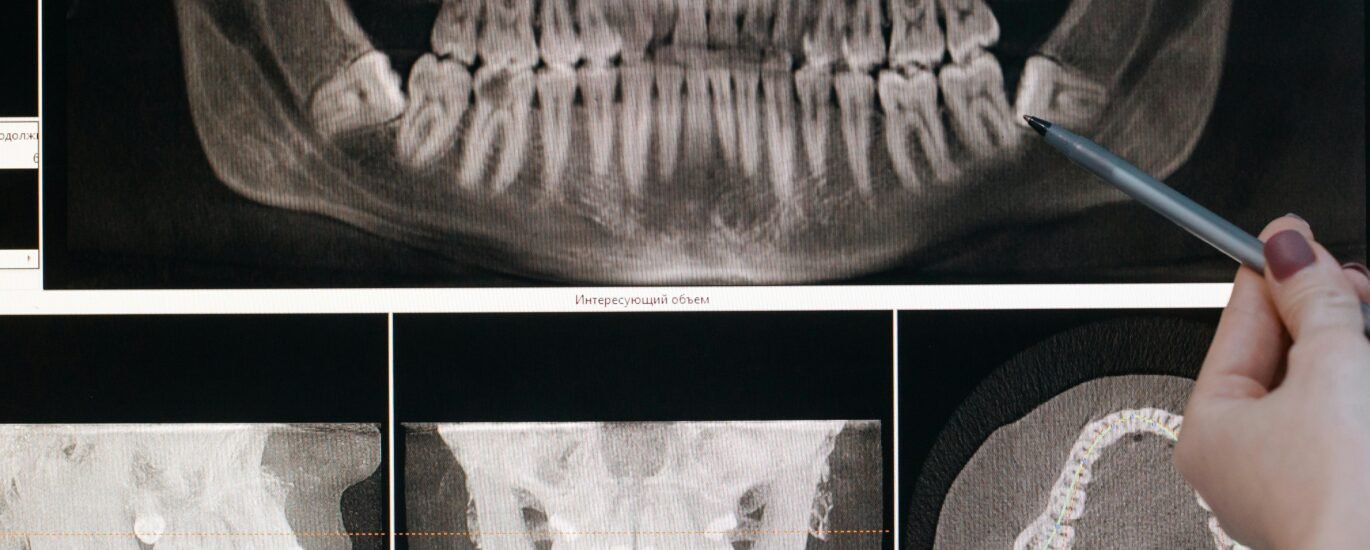
Oral Cancer Symptoms often appear quietly—would you recognize them before it’s too late?
Oral cancer is one of the most overlooked yet serious health conditions affecting millions worldwide. According to global cancer statistics, more than 377,000 new cases of oral cancer are diagnosed each year. Unfortunately, many people fail to notice the early signs of oral cancer because the symptoms often start subtly. What begins as a small sore, a patch inside the mouth, or slight discomfort can slowly develop into a serious health concern if ignored.
Research shows that early diagnosis increases survival rates by up to 80–90%, yet many cases are detected in advanced stages. The reason is simple: most people do not recognize the warning signs of oral cancer until the disease progresses. Certain lifestyle habits, such as tobacco use, alcohol consumption, HPV infection, and poor oral hygiene, can increase the risk. Even individuals who maintain good oral health should stay aware of possible mouth cancer symptoms, as early detection plays a critical role in treatment success.
Understanding these hidden signals can help you take action before the condition worsens. In this guide, you will learn about 7 silent oral cancer symptoms that most people miss, why they happen, and when to seek professional care. By the end of this article, you’ll be able to identify potential risks early and protect your long-term oral health.
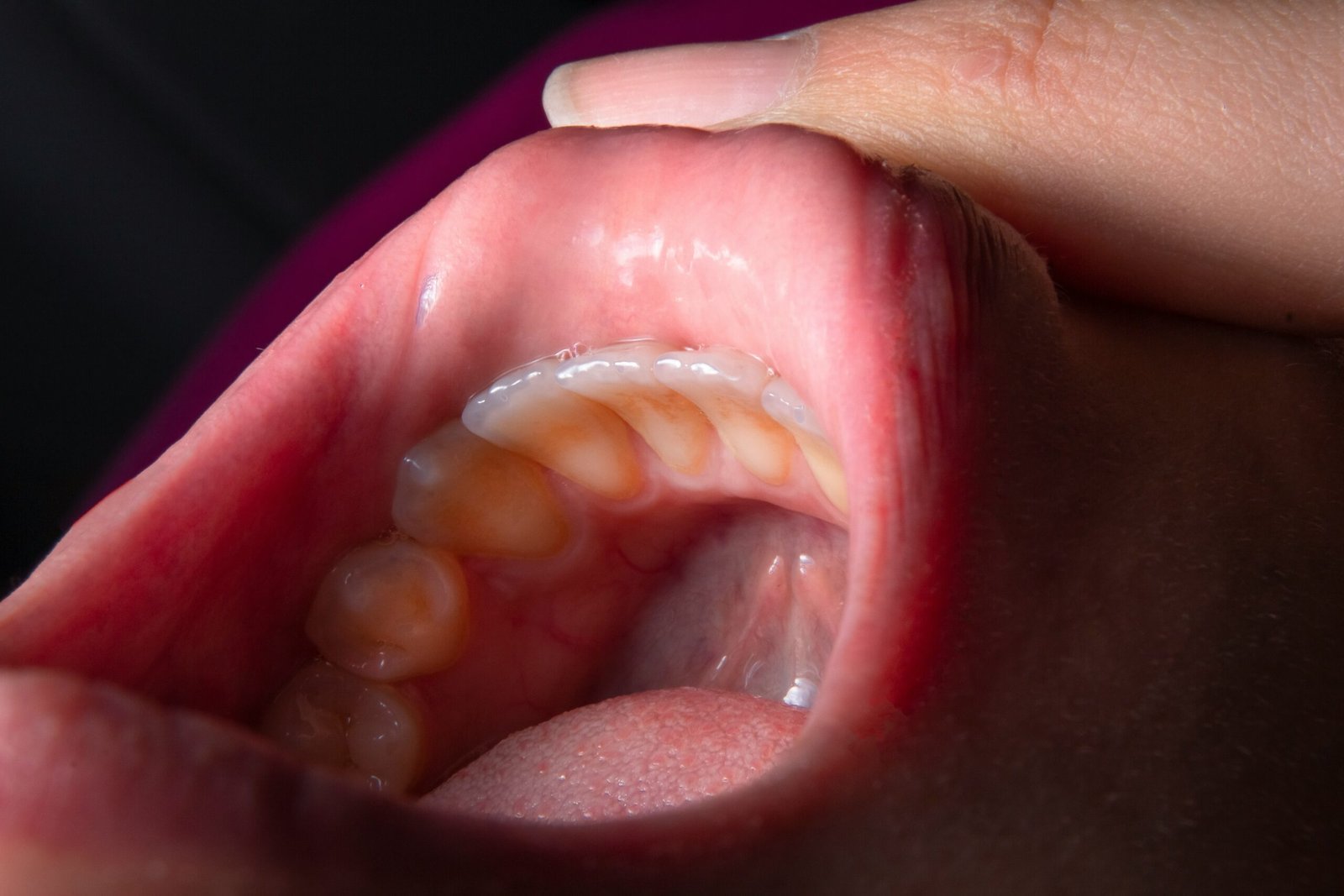
One of the most common Oral Cancer Symptoms is persistent mouth sores that do not heal within two weeks. Minor ulcers or accidental bites usually heal naturally within a short time. However, if a sore remains for longer than two weeks or repeatedly returns in the same location, it may indicate something more serious. These sores can appear on the tongue, gums, inner cheeks, or the floor of the mouth.
Many people dismiss such sores as simple irritation from spicy foods or dental appliances. But persistent ulcers can be among the earliest symptoms of mouth cancer in adults. If the sore grows larger, becomes painful, or develops a hard edge, it is essential to consult a dental professional immediately.
Another subtle indicator of Oral Cancer Symptoms is the appearance of white or red patches in mouth, medically known as leukoplakia or erythroplakia. These patches can form on the tongue, gums, or inner lining of the cheeks and often appear harmless at first glance.
However, studies show that some of these patches can develop into cancer over time. While not all patches are dangerous, they are considered one of the early signs of oral cancer that should not be ignored. If the patch changes color, grows in size, or causes discomfort, professional evaluation is recommended.
Feeling a lump inside the mouth or throat is another warning sign people frequently overlook. These lumps may develop on the gums, tongue, or throat and sometimes cause mild irritation rather than pain.
Because these lumps can be painless in early stages, many individuals assume they are harmless cysts or swelling from infection. However, they can be among the warning signs of oral cancer and require medical attention. If a lump persists for several weeks or gradually increases in size, it should be examined by a dentist or oral specialist.

Experiencing difficulty chewing or swallowing can also signal underlying oral health issues. When tumors or abnormal growths develop in the mouth or throat, they can interfere with normal movement and swallowing functions.
Many people attribute this symptom to sore throat, dental problems, or acid reflux. However, it may represent one of the subtle mouth cancer symptoms. Persistent swallowing problems, especially when combined with throat discomfort or voice changes, should be evaluated promptly.
Another overlooked indicator of Oral Cancer Symptoms is unexplained bleeding in the mouth. While minor bleeding can occur due to gum disease or brushing too hard, unexplained bleeding without a clear cause may be a red flag.
In some cases, cancerous lesions become fragile and bleed easily. If bleeding occurs frequently or continues even without irritation, it may be linked to symptoms of mouth cancer in adults. Early diagnosis at this stage can significantly improve treatment outcomes.
Numbness in the tongue, lips, or other parts of the mouth can indicate nerve involvement caused by abnormal tissue growth. This symptom may begin as a mild tingling sensation and gradually become persistent numbness.
Pain or numbness can affect speaking, chewing, or swallowing. When this occurs alongside other Oral Cancer Symptoms, it may indicate deeper tissue involvement. Individuals experiencing unexplained numbness should seek professional examination to rule out serious conditions.
Interestingly, oral cancer may also cause pain that radiates toward the ear or jaw. Many people initially suspect ear infections or jaw disorders, but persistent discomfort can sometimes originate from oral tissue abnormalities.
When tumors develop near nerves connected to the ear or jaw, they can create referred pain. This symptom is less obvious but still considered one of the important warning signs of oral cancer. Early recognition helps in oral cancer early detection, improving treatment success rates.

Your oral health is closely linked to your overall well-being. If you notice any unusual changes, such as persistent mouth sores, white or red patches in the mouth, or difficulty chewing or swallowing, it’s important to seek professional advice.
Our experienced dental team is here to help you with oral cancer early detection and comprehensive oral examinations. Early diagnosis can save lives and prevent complications.
Make an appointment with our tooth lab clinic office by calling (925) 705-7093 or by booking an appointment online. Taking this simple step today could protect your health tomorrow.
Awareness is the first step toward prevention and early treatment. Many people ignore minor oral changes because they seem harmless at first. However, understanding the hidden Oral Cancer Symptoms can make a significant difference in identifying the disease at an early stage. Small signs such as white or red patches in the mouth, persistent sores, or a lump inside the mouth or throat should never be ignored. These symptoms may appear subtle, but they can indicate serious underlying conditions if left untreated.
Regular dental visits, maintaining proper oral hygiene, and avoiding risk factors like tobacco and excessive alcohol consumption can significantly reduce the risk of oral cancer. By recognizing early signs of oral cancer and taking action promptly, individuals can greatly improve treatment success rates. Staying informed about warning signs of oral cancer empowers people to protect their health and seek timely medical attention when needed.
Common Oral Cancer Symptoms include persistent mouth sores, white or red patches in the mouth, lumps, unexplained bleeding, and difficulty chewing or swallowing. These symptoms should be evaluated if they last more than two weeks.
The early signs of oral cancer often include patches inside the mouth, mild pain, persistent sores, or swelling. Early diagnosis greatly improves treatment success.
People who smoke, chew tobacco, consume alcohol frequently, or have HPV infections are more likely to develop mouth cancer symptoms.
Yes. Regular dental examinations help in the early detection of oral cancer, allowing doctors to identify abnormal tissue before it becomes severe.
If you experience any symptoms of mouth cancer in adults such as persistent sores, lumps, numbness, or bleeding lasting more than two weeks, you should consult a dentist immediately.