

What if your daily habits today could decide whether you keep your natural teeth for life?
General Dentistry Guide starts with a simple truth: oral health problems are mostly preventable when you understand how teeth actually break down over time. According to global oral health studies, nearly 3.5 billion people suffer from preventable dental conditions, and tooth decay remains the most common chronic disease worldwide.
In the first 100 characters, this General Dentistry Guide highlights why early action matters. Plaque begins forming within hours, gum disease can develop silently, and enamel damage is often irreversible once ignored. Research published in dental associations shows that people who follow structured preventive dental care routines reduce major dental treatments by over 60%.
This guide is designed for beginners and experienced readers alike. You’ll learn smart, research-backed ways to protect your teeth, understand general dentistry services, and discover how routine checkups and simple dental hygiene tips can save you money, pain, and time—by the end, you’ll know exactly how to protect your smile confidently and correctly for life.

The General Dentistry Guide emphasizes prevention because modern dentistry has shifted from “fixing problems” to “preventing damage.” Clinical data show that cavities and gum disease progress in stages, often without pain. This makes regular oral health care essential rather than optional.
Recent studies reveal that individuals who receive routine tooth cleaning and polishing twice a year experience significantly lower rates of tooth loss and infection. Preventive dental care not only protects enamel but also reduces systemic health risks linked to oral bacteria, such as heart disease and diabetes.
This General Dentistry Guide aligns with the latest research that confirms brushing alone isn’t enough. Professional monitoring, early diagnosis, and guided dental hygiene tips are what truly prevent long-term damage.
Brushing twice a day removes plaque, a sticky layer of bacteria that forms on teeth after eating. Fluoride toothpaste is especially important because it strengthens tooth enamel and makes teeth more resistant to acid attacks from food and bacteria. Morning brushing removes overnight bacteria buildup, while night brushing prevents plaque from hardening while you sleep. Skipping even one session regularly increases the risk of cavities and enamel erosion over time.
Flossing cleans areas your toothbrush cannot reach—between teeth and under the gumline. These spaces are common starting points for cavities and gum disease. When plaque stays trapped, it hardens into tartar, which only professional cleaning can remove. Daily flossing helps prevent inflammation, bleeding gums, and bad breath while supporting long-term oral health care.
Mouthwash acts as an extra layer of protection. Antibacterial mouthwashes reduce harmful bacteria, while fluoride rinses help strengthen enamel. Using mouthwash after brushing and flossing helps reach the corners of the mouth that brushing may miss. This habit supports cavity prevention and keeps breath fresh, especially for people prone to plaque buildup.
Sugar feeds harmful bacteria in the mouth, which produce acids that damage enamel. Sticky snacks like candies, chocolates, and dried fruits cling to teeth longer, increasing acid exposure. Reducing sugar intake lowers the risk of tooth decay and helps maintain a balanced oral environment. Choosing healthier snacks such as fruits, nuts, or yogurt protects your teeth naturally.

Water plays a key role in oral health care. It washes away food particles, dilutes acids, and helps maintain saliva flow. Saliva is essential for neutralizing acids and repairing early enamel damage. Drinking water after meals is a simple yet powerful habit that supports cavity prevention and keeps your mouth hydrated and clean.
Tobacco use is one of the leading causes of gum disease, tooth discoloration, and tooth loss. It reduces blood flow to the gums, slowing healing and increasing infection risk. Smokers are also less likely to notice early symptoms of gum disease. Avoiding tobacco significantly improves oral health outcomes and lowers the risk of serious dental problems.
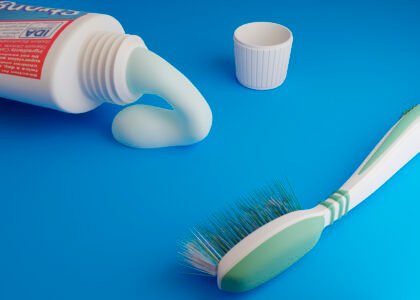
Over time, toothbrush bristles wear out and lose their effectiveness. Worn bristles cannot clean teeth properly and may even damage gums. Replacing your toothbrush every three months—or sooner if bristles fray—ensures effective plaque removal. This small habit plays a big role in maintaining daily dental hygiene.
Even with excellent home care, plaque can harden into tartar in hard-to-reach areas. Professional tooth cleaning and polishing remove this buildup safely. Dental cleanings also help detect early signs of gum disease and cavities before they worsen. Regular professional care supports preventive dental care and keeps your smile healthy.
Routine dental checkups allow early detection of problems that may not cause pain initially. A general dentist near me can monitor changes in your teeth, gums, and bite, provide personalized advice, and prevent costly treatments later. Consistent visits are essential for long-term oral health care and peace of mind.
The General Dentistry Guide wouldn’t be complete without understanding available services. General dentistry includes exams, X-rays, fillings, tooth cleaning and polishing, gum care, and cavity prevention treatments. These services focus on maintaining oral health rather than cosmetic changes alone.
For example, early cavity detection through digital imaging can prevent root canal treatments later. Patients who visit a general dentist near me regularly are more likely to maintain strong enamel and healthy gums over decades. Professional dental care also ensures personalized oral health care plans.
The General Dentistry Guide highlights benefits beyond clean teeth. Regular care reduces emergency visits, lowers dental costs, and improves confidence. Studies show patients practicing preventive dental care save up to 50% on long-term dental expenses.
Additionally, good oral health care improves digestion, speech, and overall well-being. Preventive approaches also reduce the need for invasive procedures, making dentistry less stressful and more accessible for everyone.
Routine visits are the backbone of the General Dentistry Guide. Dental checkups allow early detection of gum disease, enamel erosion, and hidden cavities. Professional cleanings remove hardened plaque that brushing cannot eliminate.
Patients who attend biannual checkups experience fewer dental emergencies and better long-term oral health care outcomes. This step is essential for maintaining a healthy smile.
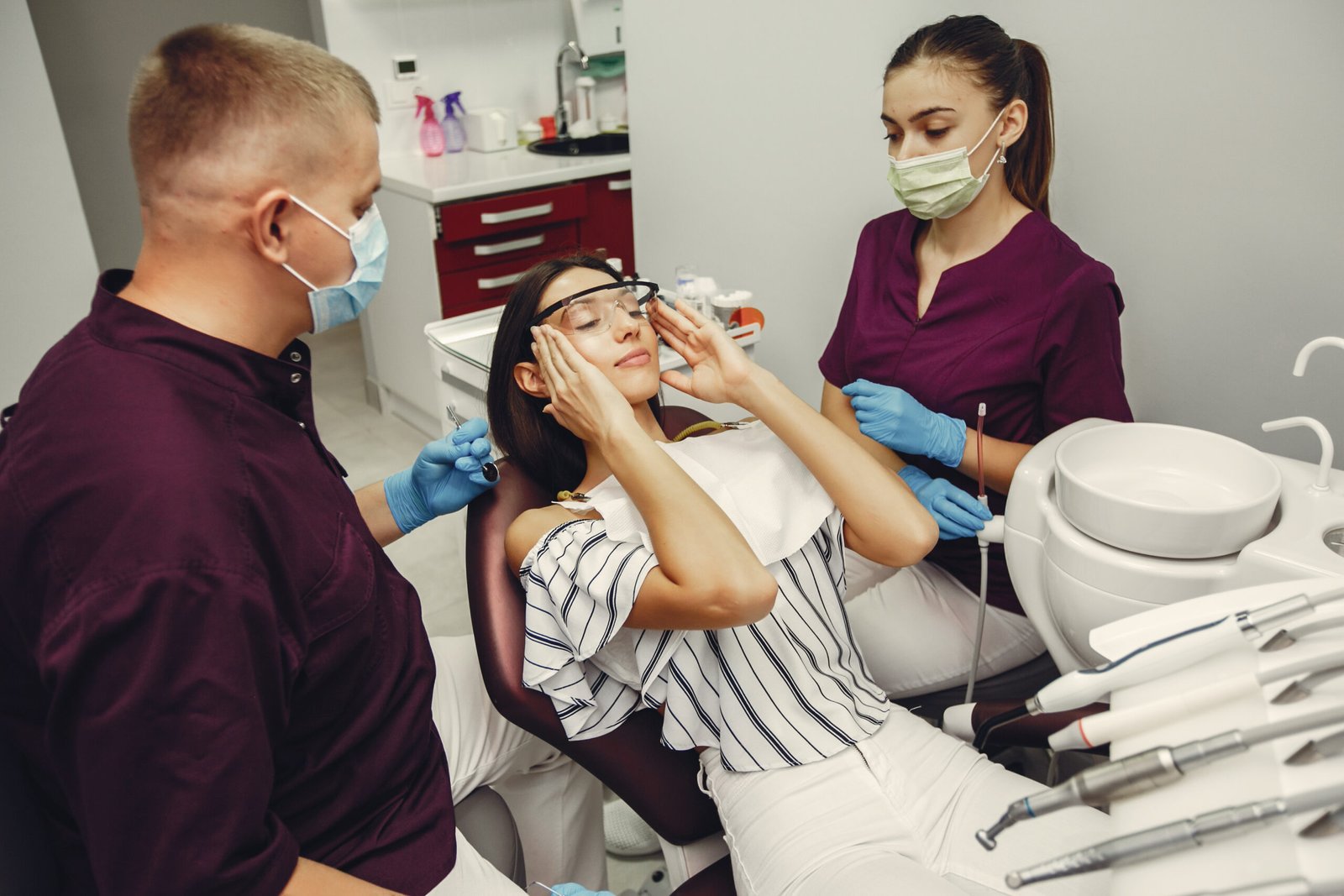
If you’re experiencing bleeding gums, sensitivity, or persistent bad breath, don’t ignore the signs. Early action guided by a trusted General Dentistry Guide can prevent serious damage.
If you think you may have gum disease, we are here to help! Make an appointment with our tooth lab clinic office by calling (925) 705-7093 or by booking an appointment online.
This General Dentistry Guide shows that protecting your teeth doesn’t require complicated routines—just informed, consistent action. Research confirms that patients who prioritize preventive care enjoy healthier smiles and fewer dental problems throughout life.
Whether it’s regular checkups, smart dietary choices, or professional cleanings, every step adds up. Use this guide as your long-term roadmap to stronger teeth, healthier gums, and lasting confidence.
A General Dentistry Guide helps beginners understand preventive dental care, oral health care basics, and when to visit a general dentist near me.
Preventive dental care should be practiced daily at home and professionally every six months for optimal cavity prevention.
They offer exams, tooth cleaning and polishing, fillings, gum care, and professional oral health care planning.
Yes. Proper brushing, flossing, and diet choices reduce plaque buildup and significantly improve cavity prevention.
Absolutely. Professional dental care detects hidden issues and supports long-term oral health care success.