
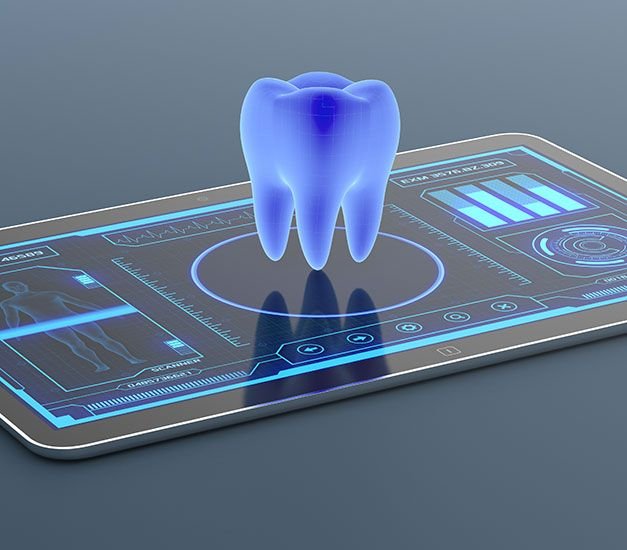
Have you ever wondered how dental technology innovations are transforming patient care in 2026? From AI-powered diagnostics to smart dental devices, the dental industry is evolving faster than ever. According to a 2025 report by the American Dental Association, clinics adopting advanced dental tech saw a 40% improvement in procedural accuracy and a 30% reduction in patient wait times.
In this blog post, we’ll explore the top 8 dental technology innovations that are reshaping dentistry today. By reading this, you’ll gain a clear understanding of how modern dental labs, clinics, and even mobile practices are leveraging these tools to provide better care, faster recovery, and more precise outcomes. Whether you are a dental professional, a student, or a patient curious about futuristic dentistry, this guide will equip you with the latest insights and examples.
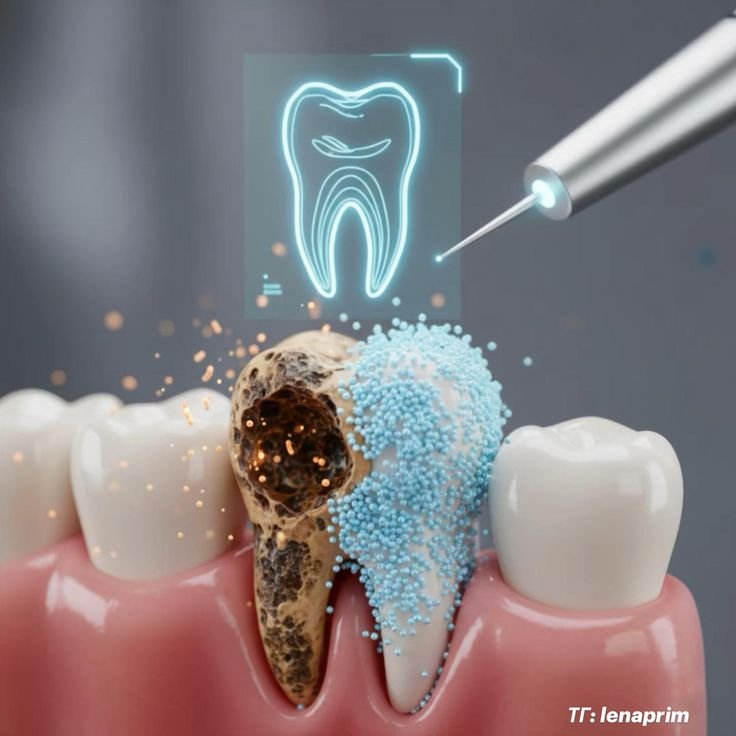
How dental AI is changing patient care is no longer a prediction—it’s a reality. AI algorithms can analyze thousands of dental X-rays in seconds, detecting cavities, bone density issues, and early signs of oral disease with 95% accuracy. Tools like Pearl’s AI-based diagnostic platform are already assisting dentists in reducing diagnostic errors by up to 30%.
Moreover, AI-driven chatbots and virtual assistants help schedule appointments, provide post-treatment guidance, and track patient compliance. By integrating AI, dental clinics enhance patient experience and streamline administrative workflows, creating a tech-savvy environment that appeals to modern patients.
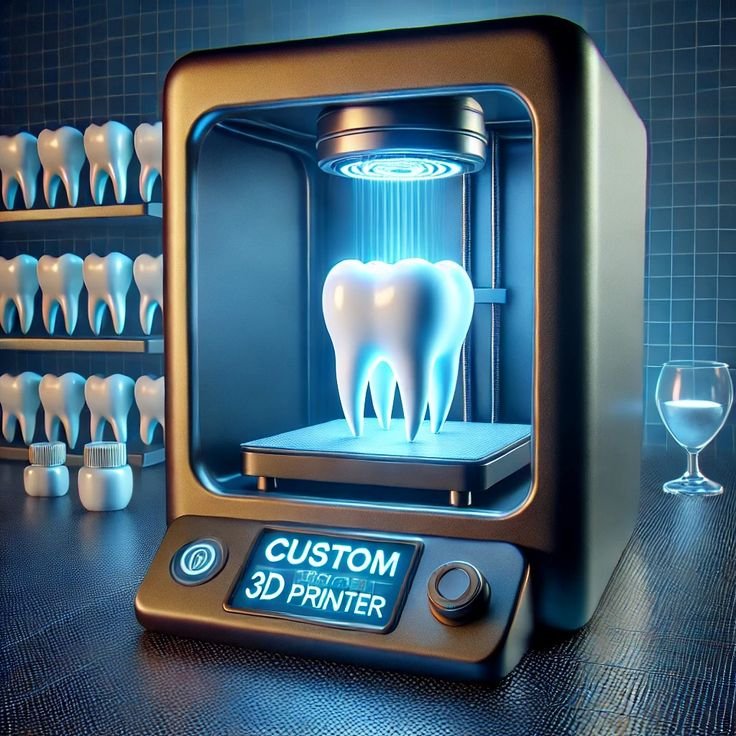
3D printing continues to revolutionize dental technology innovations by producing crowns, bridges, dentures, and surgical guides on-demand. Clinics using 3D printers report a 50% reduction in turnaround time for prosthetics.
For example, Formlabs’ 3D dental printers allow for highly customized aligners and implants, reducing errors compared to traditional molding techniques. This innovation empowers dental labs to provide precise solutions, minimize material waste, and reduce costs, marking a huge leap forward in digital dentistry tools for dental labs.
Smart dental devices like IoT-enabled toothbrushes, oral scanners, and real-time monitoring tools are changing preventive care. Devices such as Oral-B iO connect to mobile apps, tracking brushing habits and alerting users to potential issues before they become serious.
Dental clinics are also leveraging wearable sensors for post-operative monitoring, ensuring faster recovery and proactive interventions. This convergence of AI and IoT exemplifies the power of dental tech in creating a preventive, patient-centered approach.
The latest advanced dental imaging equipment now includes cone-beam CT scanners and high-resolution 3D intraoral cameras. These technologies allow for detailed visualization of teeth, jawbones, and soft tissues with minimal radiation exposure.
Clinics adopting these tools report a 25–40% improvement in surgical planning accuracy. For example, Straumann’s dental imaging solutions enable precise implant placement, reducing post-operative complications and increasing patient satisfaction.
Cloud‑based dental systems are transforming practice management by centralizing patient records, imaging, and billing. Dentists can access complete patient histories anywhere, facilitating teleconsultations and collaboration between clinics.
Platforms like Denticon and Open Dental improve data security and compliance while reducing administrative overhead. Cloud solutions also support analytics for treatment trends and patient outcomes, making dental practices more efficient and future-ready.
With rising patient demand for convenience, teledentistry platforms are gaining popularity. Patients can consult with dentists remotely, upload photos or scans, and receive guidance without visiting a clinic.
Platforms such as MouthWatch and Denteractive allow dentists to monitor post-operative care or routine checkups virtually, integrating seamlessly with cloud‑based dental systems and improving access to dental care in remote regions.
Dental labs are now adopting digital dentistry tools for dental labs, including CAD/CAM systems for designing restorations and virtual articulators for bite simulations.
These tools enhance precision, reduce human error, and shorten production cycles. For instance, Ivoclar Vivadent’s CAD/CAM solutions allow labs to deliver highly accurate prosthetics in under 24 hours, improving patient satisfaction and streamlining workflows.
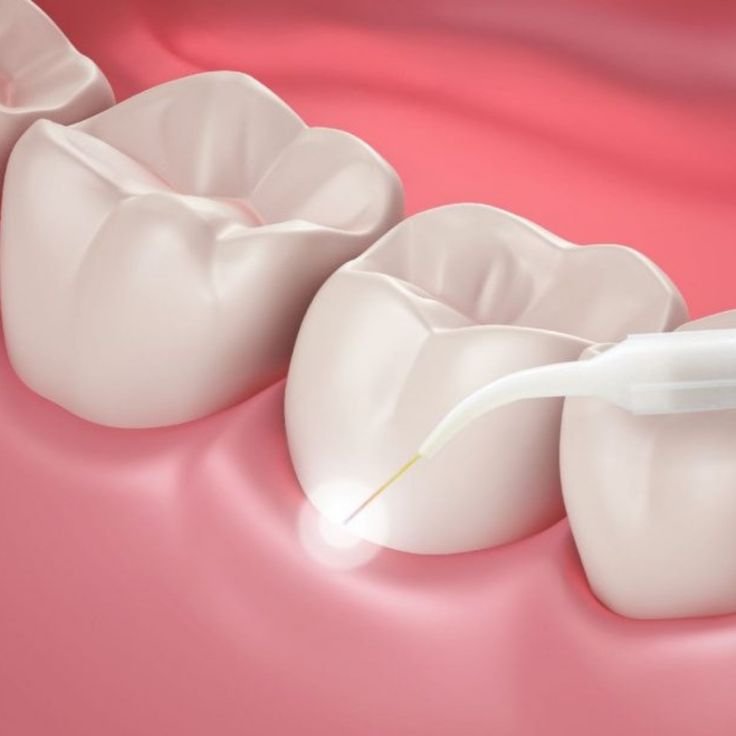
Laser-based dentistry is emerging as a key dental inovação. Lasers can treat gum disease, remove decay, and perform soft tissue surgeries with minimal discomfort, reducing bleeding and recovery time.
According to the International Journal of Laser Dentistry, laser treatments can reduce post-procedural pain by 40% and healing time by 30%. Examples include diode and Er: YAG lasers that precisely target tissue without affecting surrounding areas, offering a pain-free alternative to traditional drills.
Ready to experience the future of dental care? At Tooth Lab Clinic, we integrate the latest dental technology innovations into every treatment, ensuring precision, comfort, and faster results. Book your consultation today and see how modern dental tech can transform your smile!
The landscape of dentistry in 2026 is exciting and highly innovative. From dental AI to 3D printing and cloud systems, these dental technology innovations are enhancing outcomes, efficiency, and patient satisfaction. By embracing these trends, clinics, labs, and patients alike can benefit from a smarter, faster, and more precise approach to oral care. Staying updated with these innovations ensures that your dental practice remains competitive and patient-focused in the modern era.
The latest dental technology innovations include AI diagnostics, 3D printing, smart dental devices, laser dentistry, and cloud-based dental systems.
How dental AI is changing patient care involves faster diagnostics, predictive analytics, and virtual assistants that improve accuracy and patient experience.
The best digital dentistry tools for dental labs include CAD/CAM systems, virtual articulators, and 3D printers for precise, fast restorations.
Yes, smart dental devices track oral health, guide brushing habits, and alert users to early dental issues, enhancing preventive care.
Cloud-based dental systems centralize patient records, improve teleconsultations, and streamline workflow, making clinics more efficient.