
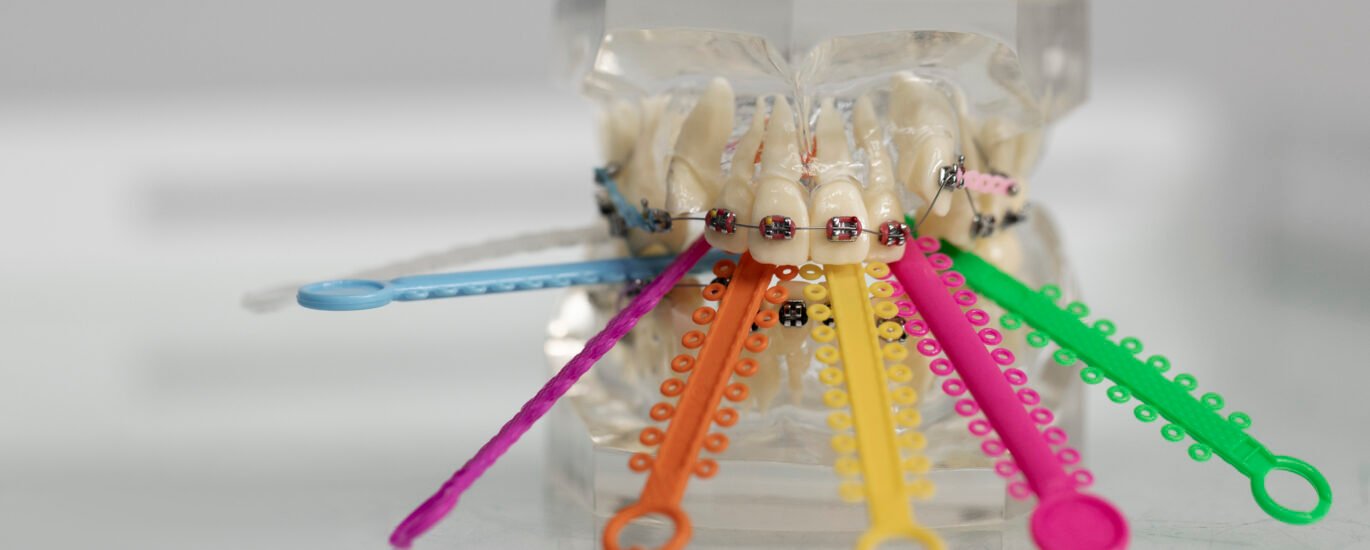
Dental Clips for Teeth are becoming one of the most popular solutions for straightening teeth without complicated dental procedures. But are they really worth trying?
Over the past decade, orthodontic technology has improved significantly. According to the American Association of Orthodontists, nearly 1 in 3 orthodontic patients today are adults, showing how modern dental treatments like clips and aligners are no longer limited to teenagers. Many people are now choosing alternatives such as dental clip-in teeth treatments and invisible aligners because they are more comfortable, discreet, and effective.
These dental clips work by applying gentle pressure to gradually shift teeth into the correct position. Unlike traditional braces, modern options like invisible aligners allow patients to straighten their teeth without noticeable metal brackets. Many people researching orthodontic options also ask questions such as Do dental clips really work?, Which clip is best for teeth?, and even practical concerns like Can you eat with dental clips for teeth?
With the rising demand for cosmetic dentistry and smile correction, more clinics are offering different types of dental clips to meet various dental needs. From minor alignment issues to complex bite corrections, these clips can play a significant role in improving both oral health and confidence.
In this guide, you’ll discover the 5 surprising facts about dental clips, understand their benefits, costs, and limitations, and learn whether they might be the right solution for your smile.
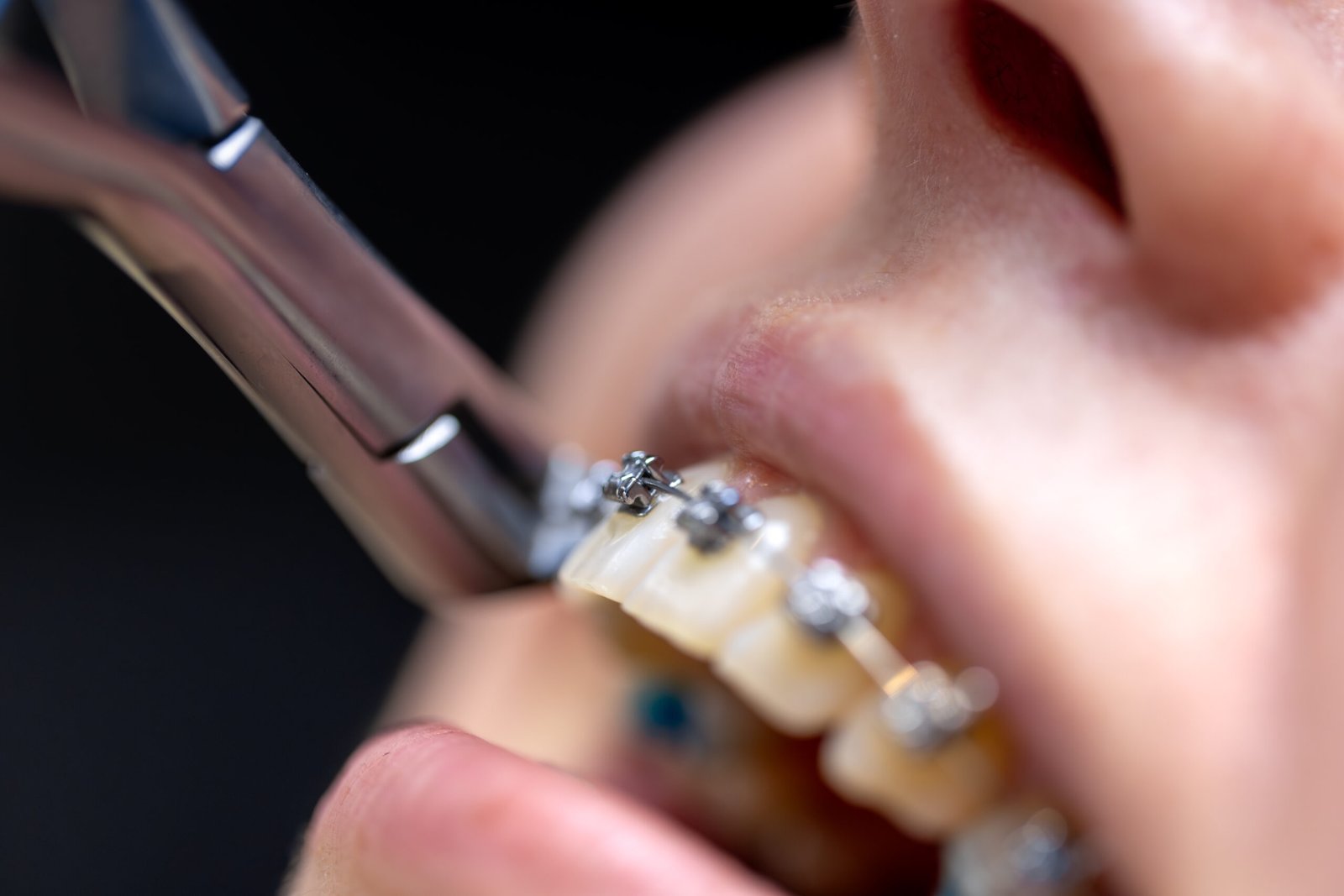
Many people assume that clips are only used to straighten crooked teeth. However, a dental teeth clip can actually treat several orthodontic problems such as overcrowding, bite issues, jaw alignment problems, and spacing between teeth.
Orthodontists use clips to apply controlled pressure that gradually moves teeth into their ideal position. For example, someone with gaps between teeth may see noticeable improvements within 6 to 12 months depending on the severity of the issue. Modern treatments even include removable clips that allow patients to maintain better oral hygiene compared to traditional braces.
Understanding what is the use of teeth clip is essential before choosing a treatment. These devices do not only enhance appearance but also improve chewing function, reduce tooth wear, and lower the risk of gum disease caused by misaligned teeth.
One of the biggest innovations in orthodontics is invisible clips. Many adults prefer these options because they are discreet and comfortable. If you are researching invisible clips for teeth cost, you will find that prices usually range from ₹70,000 to ₹3,00,000 in India, depending on the treatment complexity and brand of aligners used.
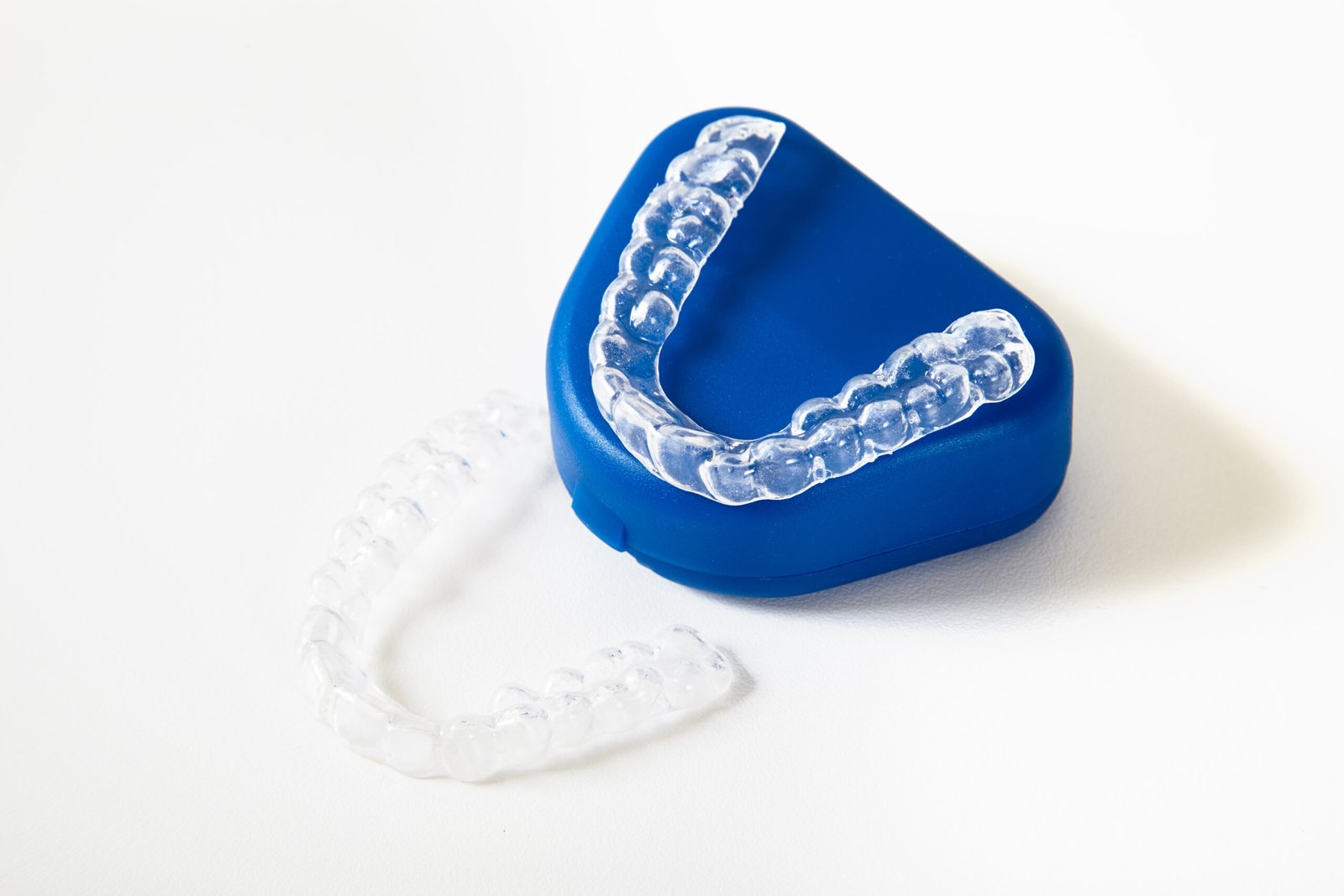
Invisible clips work similarly to braces but use transparent trays that gradually shift teeth over time. Patients typically receive a series of aligners that need to be changed every few weeks as teeth slowly move into the desired position.
These aligners are especially appealing for professionals who want to straighten their teeth without drawing attention to their dental treatment. Compared to traditional braces, they offer improved comfort and convenience because they can be removed during meals or brushing.
Many people confuse clips with caps, but they serve completely different purposes. Clips are used to straighten teeth, while caps (crowns) protect damaged teeth. If you are researching dental teeth cap price, you will notice that crowns usually cost between ₹5,000 and ₹25,000, depending on the material.
For instance, a patient who has undergone a root canal treatment may need a crown to protect the weakened tooth. However, if the concern is crooked or misaligned teeth, dentists typically recommend orthodontic treatment instead of caps.
Orthodontists also use dental records to track tooth alignment progress. In this process, professionals often rely on systems explaining how to chart teeth in dentistry. This method allows dentists to monitor tooth movement and ensure the treatment is progressing correctly.
Many people ask, can you get clip-on teeth for cosmetic improvement. The answer is yes. Clip-on teeth are temporary dental devices that fit over your natural teeth to improve the appearance of your smile.
These are commonly used for events, photoshoots, or temporary cosmetic improvements. However, they do not replace orthodontic treatments because they do not correct alignment issues.
A cosmetic dental clip-in teeth option might improve the visual appearance temporarily, but it does not address underlying dental problems such as bite alignment or crowding. For long-term improvements, orthodontic clips or aligners remain the most reliable solution.
A common concern among patients is Can you eat with dental clips for teeth? Fortunately, most people can continue eating normally with minor adjustments.
With traditional clips or braces, dentists recommend avoiding hard or sticky foods that could damage the brackets. However, with removable aligners, patients simply remove them before eating and wear them again afterward.
Patients also often wonder Which clip is best for teeth? The answer depends on individual dental needs. Metal braces are usually the most durable option, while ceramic braces and clear aligners offer better aesthetics. Orthodontists evaluate each case carefully before recommending the best treatment option.
If you are experiencing dental alignment problems or want to explore orthodontic treatment options, professional guidance is essential.
If you think you may have gum disease, we are here to help! Make an appointment with at our tooth lab clinic office by calling (925) 705-7093 or by booking an appointment online.
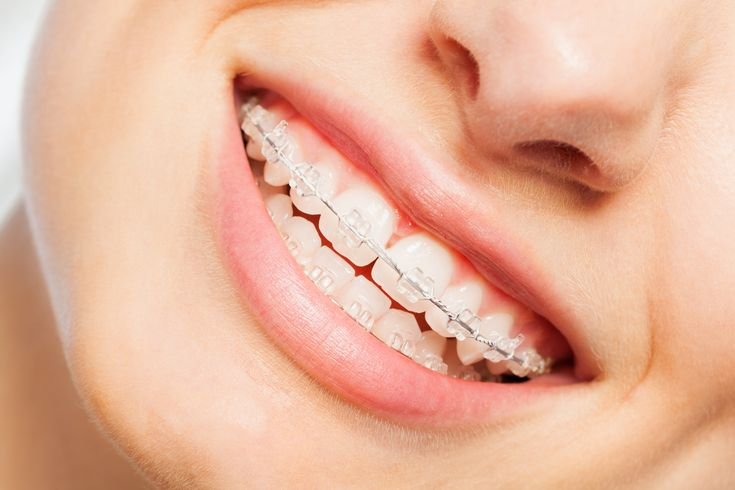
Orthodontic treatments have evolved dramatically over the years, giving patients more choices than ever before. From traditional braces to modern aligners, dental clips provide an effective way to correct misaligned teeth while improving both oral health and confidence. As research in dentistry continues to advance, treatments are becoming faster, more comfortable, and less noticeable.
Before choosing any orthodontic treatment, it is important to consult a qualified dentist who can evaluate your dental structure and recommend the most suitable option. Whether you are considering invisible aligners or traditional braces, understanding how dental clips work will help you make an informed decision for a healthier and brighter smile.
Yes, Dental Clips for Teeth are highly effective when prescribed by an orthodontist. They gradually move teeth into the correct position using controlled pressure over time.
The best option depends on your dental condition. Metal braces, ceramic braces, and clear aligners are commonly used options. Your dentist will recommend the best dental teeth clip based on your needs.
Yes, but you may need to avoid sticky or hard foods with fixed braces. If you use removable aligners, you can simply remove them before eating.
The main purpose is to correct crooked teeth, close gaps, fix bite problems, and improve overall oral health and smile appearance.
Yes, temporary clip-on teeth are available for cosmetic use, but they do not correct dental alignment like orthodontic clips do.