
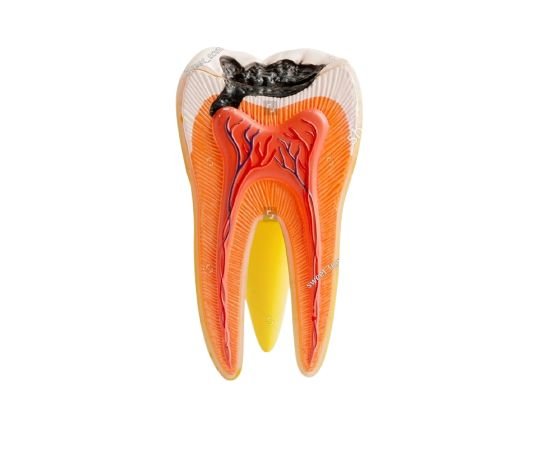
Dental Caries Zones are specific areas of the teeth where cavities are most likely to form. Have you ever wondered why some parts of your teeth develop cavities more often than others?
According to the World Health Organization (WHO), nearly 2.3 billion people worldwide suffer from dental caries in permanent teeth. These cavities usually develop in particular tooth decay areas where food particles, bacteria, and dental plaque
accumulate easily. These zones are more vulnerable because they are harder to clean, often hidden between teeth, or located in deep grooves.
Understanding Dental Caries Zones is essential for improving oral health. Dentists often classify these high-risk areas using a dental caries zones classification system. This classification helps identify Dental caries zones in teeth where bacteria attack the tooth enamel first. When plaque builds up, it releases acids that slowly erode enamel and create cavities.
Recent dental research also shows that more than 80% of cavities develop in specific high-risk zones such as pits, fissures, and contact points between teeth. This means knowing where these zones are can significantly improve tooth decay prevention strategies.
In this comprehensive guide, you’ll discover a simple Dental caries zones explanation, learn about the types of dental caries zones, and explore 7 smart ways to prevent decay so you can protect your teeth and maintain a healthy smile for years to come.
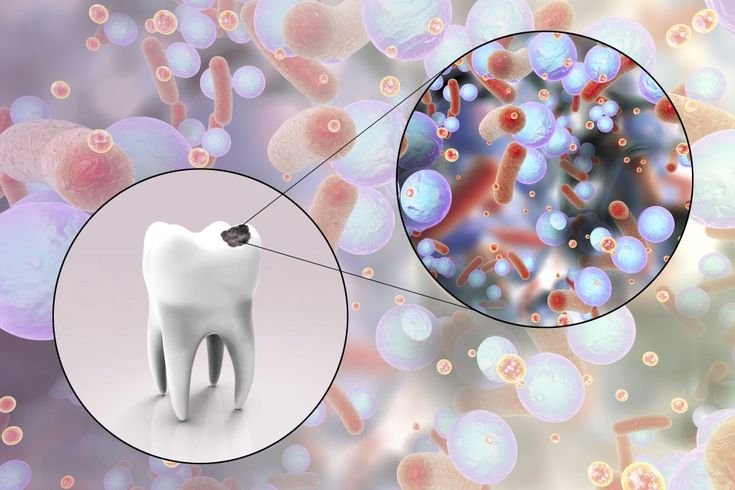
Understanding Dental Caries Zones can help you stop cavities before they start. Dentists often refer to these areas as common dental caries zones because they are where tooth decay areas typically develop. Below are seven effective ways to protect these vulnerable spots.
One of the most effective methods for protecting Dental Caries Zones is proper brushing. Brushing twice a day removes bacteria and food particles that accumulate in Dental caries zones in teeth. Use a fluoride toothpaste and brush for at least two minutes to clean difficult areas such as molar grooves and the gumline.
Proper brushing helps remove dental plaque and cavities-causing bacteria before they damage the enamel. Studies show that consistent brushing can reduce the risk of cavities by up to 40%, making it one of the most powerful tools for tooth decay prevention.
Many tooth decay areas are hidden between teeth where a toothbrush cannot reach. These spaces are considered part of the types of dental caries zones because they easily trap food particles.
Daily flossing removes plaque and bacteria from these tight spaces, preventing cavities in teeth. Dentists recommend flossing once per day to reduce the causes of dental caries and protect these high-risk zones.
Sugary foods and drinks are major contributors to the causes of dental caries. When sugar interacts with bacteria in Dental Caries Zones, acids are produced that weaken the enamel.
Reducing sugar intake can significantly protect common dental caries zones. For example, frequent consumption of soda, candy, or sticky snacks increases cavity risk. Replacing these foods with healthier options like fruits, nuts, or water supports better tooth decay prevention.

Fluoride strengthens tooth enamel and helps repair early damage in Dental Caries Zones. It works by remineralizing weakened enamel and preventing bacteria from spreading further.
Dentists often recommend fluoride mouthwash or professional fluoride treatments for patients with multiple Dental caries zones in teeth. Regular fluoride exposure significantly reduces the risk of cavities and improves long-term oral health.
Routine dental visits play an important role in detecting early tooth decay areas before they turn into severe cavities. Dentists can provide a detailed explanation of dental caries zones during checkups.
Professional cleanings remove stubborn plaque that may remain in hidden Dental Caries Zones, helping prevent serious dental problems.
Molars contain deep pits and fissures that are among the common dental caries zones. These grooves trap bacteria easily and are difficult to clean.
Dental sealants create a protective coating over these grooves. Studies show that sealants can reduce cavity risk in children and teenagers by nearly 80%, making them an effective method for protecting Dental Caries Zones.
A healthy diet supports strong teeth and reduces the risk of cavities in teeth. Foods rich in calcium, phosphorus, and vitamins strengthen enamel and protect Dental Caries Zones from bacterial damage.
Dairy products, leafy greens, nuts, and crunchy vegetables help clean the teeth naturally while supporting overall tooth decay prevention. Maintaining balanced nutrition also reduces the causes of dental caries and improves long-term oral health.

Your oral health matters more than you might think. If you notice tooth sensitivity, pain, or visible tooth decay areas, it could be an early sign of cavities forming in Dental Caries Zones.
If you think you may have dental issues or early signs of cavities, we are here to help! Make an appointment with our tooth lab clinic office by calling (925) 705-7093 or by booking an appointment online. Early diagnosis can prevent serious dental problems and protect your smile.
Understanding Dental Caries Zones is one of the most effective ways to prevent cavities and maintain healthy teeth. These vulnerable tooth decay areas develop when plaque bacteria attack tooth enamel, leading to cavities in teeth over time. By learning about the types of dental caries zones and the classification of dental caries zones, individuals can better recognize where decay is most likely to occur.
Simple habits such as brushing twice daily, flossing regularly, reducing sugar intake, and visiting the dentist for routine checkups can significantly reduce the risk of dental problems. With proper care and awareness, you can protect vulnerable areas of the mouth and maintain a healthy, confident smile for years to come.
Dental Caries Zones are specific areas of the teeth where cavities are more likely to develop. These include grooves, pits, and spaces between teeth where plaque accumulates easily.
The most common Dental caries zones in teeth include molar grooves, tooth surfaces near the gumline, and contact points between teeth where food particles often get trapped.
The types of dental caries zones generally include pit-and-fissure zones, smooth surface zones, and root surface zones. These categories are part of the dental caries zones classification used by dentists.
The main causes of dental caries include plaque buildup, frequent sugar consumption, poor oral hygiene, and lack of fluoride protection in tooth decay areas.
Effective tooth decay prevention includes brushing twice daily, flossing, limiting sugary foods, and visiting a dentist regularly to monitor Dental Caries Zones.