
Dental Care Mistakes often begin with simple habits we believe are harmless—are you unknowingly damaging your smile every single day?
According to recent dental health research by the WHO, nearly 3.5 billion people worldwide suffer from oral diseases, most of which are preventable with correct daily care. Shockingly, dentists report that over 60% of dental problems stem from everyday oral care mistakes, not genetics or accidents. Poor brushing techniques, ignoring early warning signs, and following outdated dental advice are silently ruining otherwise healthy teeth.
Many people assume brushing twice a day is enough—but what, how, when, and what you brush with matters just as much. Small errors in routine can snowball into cavities, gum disease, enamel erosion, and costly treatments.
By reading this blog, you’ll uncover the 9 most shocking Dental Care Mistakes, understand why they’re harmful, and learn exactly how to fix them—so you can protect your smile, save money, and enjoy long-term oral health with confidence.
Dental Care Mistakes are dangerous because they don’t cause pain immediately. According to the Indian Dental Association, most patients visit dentists only after damage has progressed. This delay allows plaque to harden into tartar, bacteria to spread, and enamel to weaken beyond repair.
Schema-based dental studies show that poor dental hygiene increases the risk of heart disease and diabetes by 23–30%. Oral bacteria can enter the bloodstream, affecting overall health—not just your teeth. These oral hygiene mistakes that cause cavities often start early and worsen silently.
Understanding these risks helps prevent common dental problems and eliminates bad dental habits before they become irreversible.
One of the most common Dental Care Mistakes is skipping brushing at night. During sleep, saliva production drops, allowing bacteria to multiply faster. Food particles left overnight lead to acid attacks that weaken enamel.
Studies show people who skip night brushing are 2× more likely to develop cavities. This is one of the everyday dental care mistakes to avoid if you want long-term oral health.
Over time, this habit accelerates plaque buildup and increases bad breath in the morning. Night brushing helps remove harmful bacteria before they cause damage. Making it non-negotiable is essential for long-term oral health.
Aggressive brushing may feel “extra clean,” but it’s one of the biggest Mistakes damaging teeth. Hard brushing erodes enamel and causes gum recession.
Dentists recommend using a soft-bristle toothbrush with gentle circular motions. Poor dental hygiene isn’t about effort—it’s about technique.
Once enamel is lost, it never grows back, leading to sensitivity and discoloration. Many people unknowingly worsen poor dental hygiene by applying excess pressure. A gentle approach protects both teeth and gums.
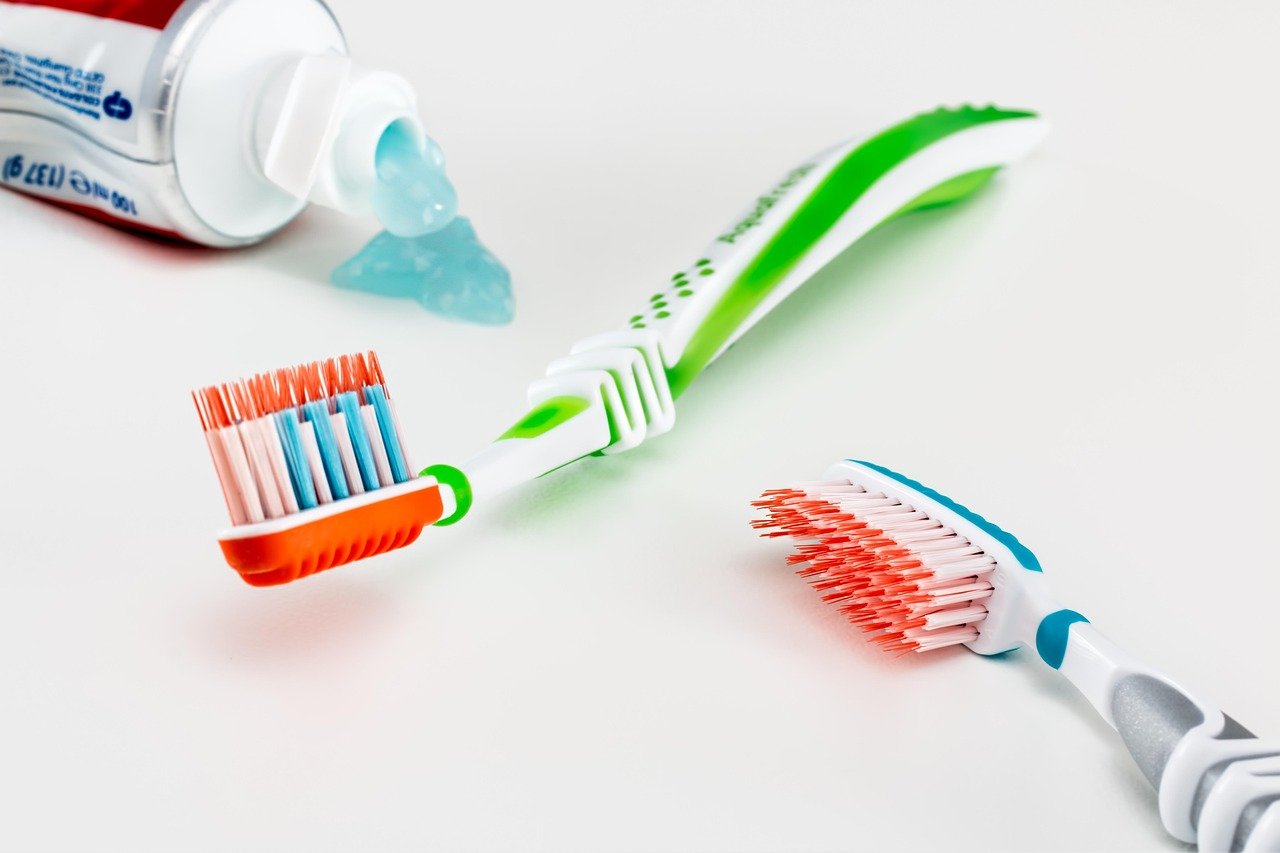
Rinsing immediately washes away fluoride, reducing its protective benefits. Dentists worldwide now advise “spit, don’t rinse.”
This oral care mistake directly contributes to oral hygiene mistakes that cause cavities, especially in adults with sensitive teeth.
Fluoride needs time to strengthen enamel and prevent cavities. This small change significantly reduces oral hygiene mistakes that cause cavities. It’s especially important for people prone to tooth decay.
Brushing alone cleans only 60% of tooth surfaces. Ignoring floss allows plaque to build between teeth, leading to gum disease.
This bad dental habit is responsible for most early-stage dental problems seen in clinics today.
Food trapped between teeth feeds bacteria that brushing cannot reach. This bad dental habit increases the risk of cavities and bleeding gums. Daily flossing is a simple fix with powerful benefits.
Opening packets or bottles with teeth causes micro-fractures. These cracks invite bacteria and increase the risk of broken teeth.
This is one of the most overlooked Dental Care Mistakes, especially among young adults.
Even small fractures weaken tooth structure over time. This habit often leads to emergency dental visits and costly repairs. Teeth are for chewing food—not replacing tools.
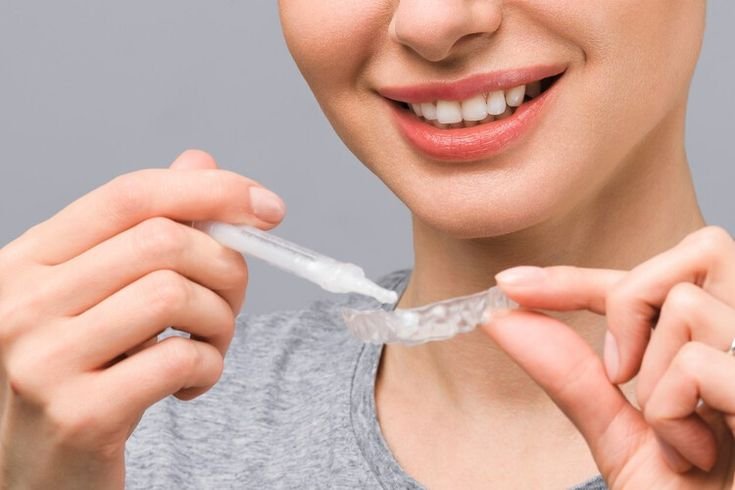
Excessive whitening strips weaken enamel and cause sensitivity. Research shows overuse increases enamel porosity by 25%.
Cosmetic shortcuts often turn into long-term oral care mistakes.
This makes teeth more vulnerable to stains and decay in the long run. Many cosmetic-focused oral care mistakes compromise overall dental health. Whitening should always be dentist-guided.
Avoiding dentists until pain appears is a classic Dental Care Mistake. Regular checkups detect issues early, reducing treatment cost by up to 40%.
Preventive care beats reactive care—always.
Early-stage dental problems often show no symptoms. Routine visits prevent complications and reduce the need for invasive procedures. Prevention always saves time, money, and discomfort.
Frequent consumption of soda, lemon water, and energy drinks erodes enamel. This is one of the most common everyday dental care mistakes to avoid.
Rinse with plain water after acidic drinks to protect enamel.
Acid softens enamel, making teeth prone to decay and sensitivity. Sipping acidic drinks throughout the day worsens damage. Using a straw and rinsing with water helps minimize harm.

Bleeding gums are not normal—they’re early signs of gingivitis. Ignoring them allows infection to spread deeper.
This oral hygiene mistake often leads to irreversible gum disease.
This oral hygiene mistake can progress into periodontitis and tooth loss. Early treatment can fully reverse gum disease. Healthy gums should never bleed during brushing or flossing.
If you recognize yourself in these Dental Care Mistakes, don’t wait for pain to strike. At Tooth Lab Clinic, we specialize in preventive care, gentle treatments, and personalized oral health plans.
📞 Book your dental treatment today at Tooth Lab Clinic and protect your smile before small mistakes turn into major dental problems.
Dental Care Mistakes don’t happen overnight—but their damage adds up fast. The good news? Most are completely preventable with the right knowledge and habits.
By correcting oral care mistakes, avoiding bad dental habits, and staying proactive, you can protect your teeth for life. A healthy smile isn’t about perfection—it’s about consistency, awareness, and timely care.
Start today. Your future smile will thank you.