
Charcoal Toothpaste is trending everywhere—but does it really whiten teeth safely and effectively?
Over the past five years, charcoal-based oral care products have exploded in popularity, with global whitening product sales crossing billions annually. Social media influencers promote charcoal powders and pastes as “natural whitening miracles,” claiming they remove stains instantly. But what does science say? Studies show activated charcoal has porous properties that can bind to surface stains. However, research from dental institutions indicates results may vary depending on enamel thickness, brushing technique, and frequency of use.
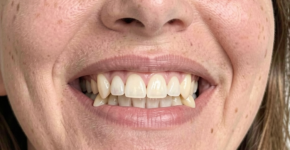
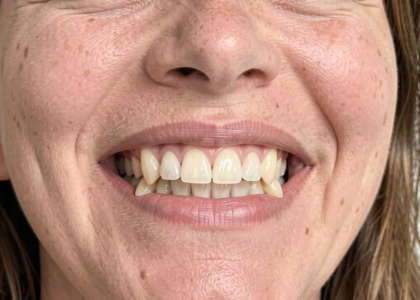
Consumers frequently ask, Does charcoal work for yellow teeth? Is charcoal toothpaste good for teeth? The answer is more nuanced than a simple yes or no. While charcoal may remove extrinsic stains caused by coffee, tea, or smoking, improper use may contribute to enamel wear over time.
In this in-depth guide, you’ll discover 6 proven whitening secrets behind charcoal toothpaste, learn the benefits and risks, and understand how to use it safely for a brighter, healthier smile.
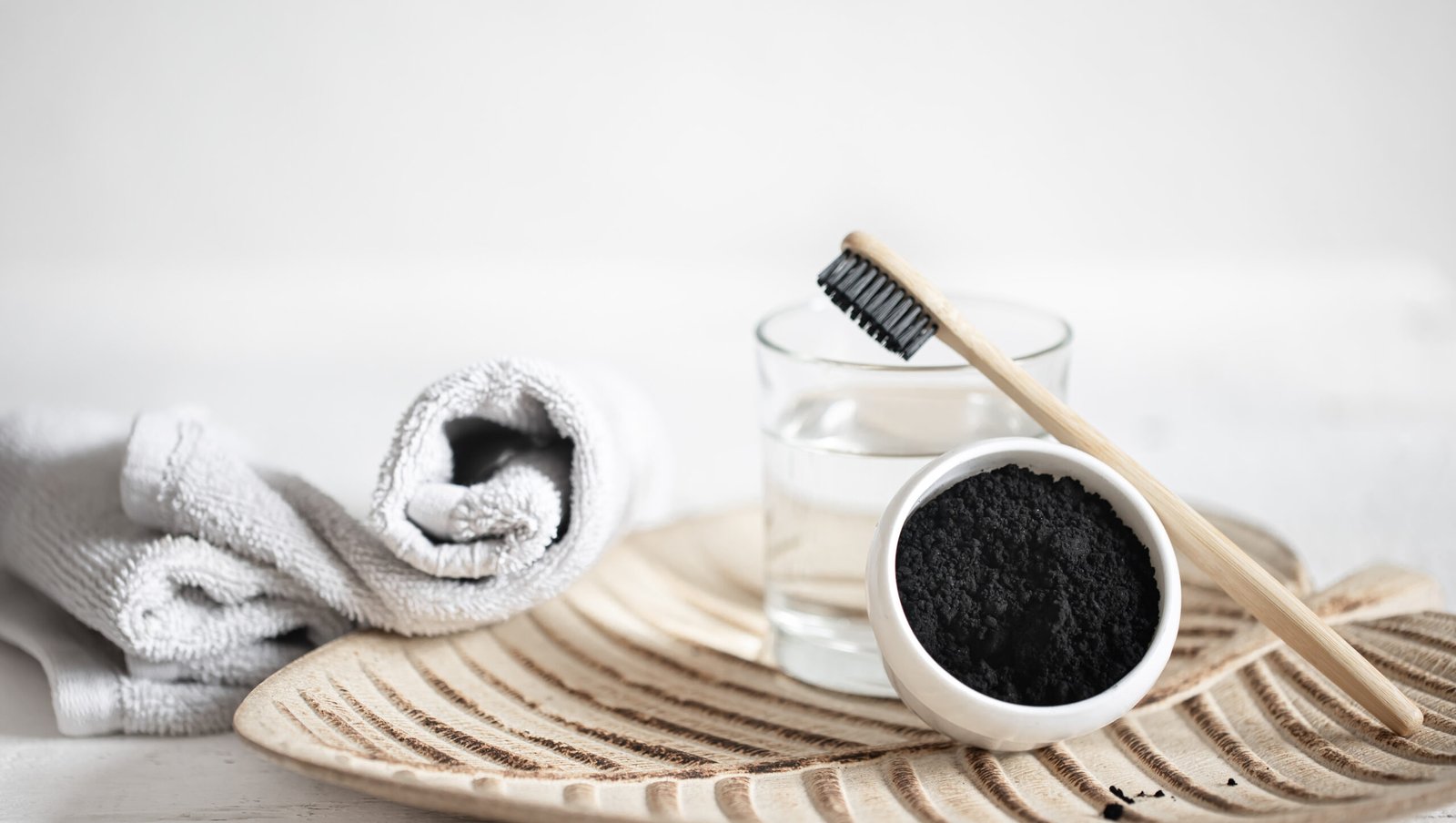
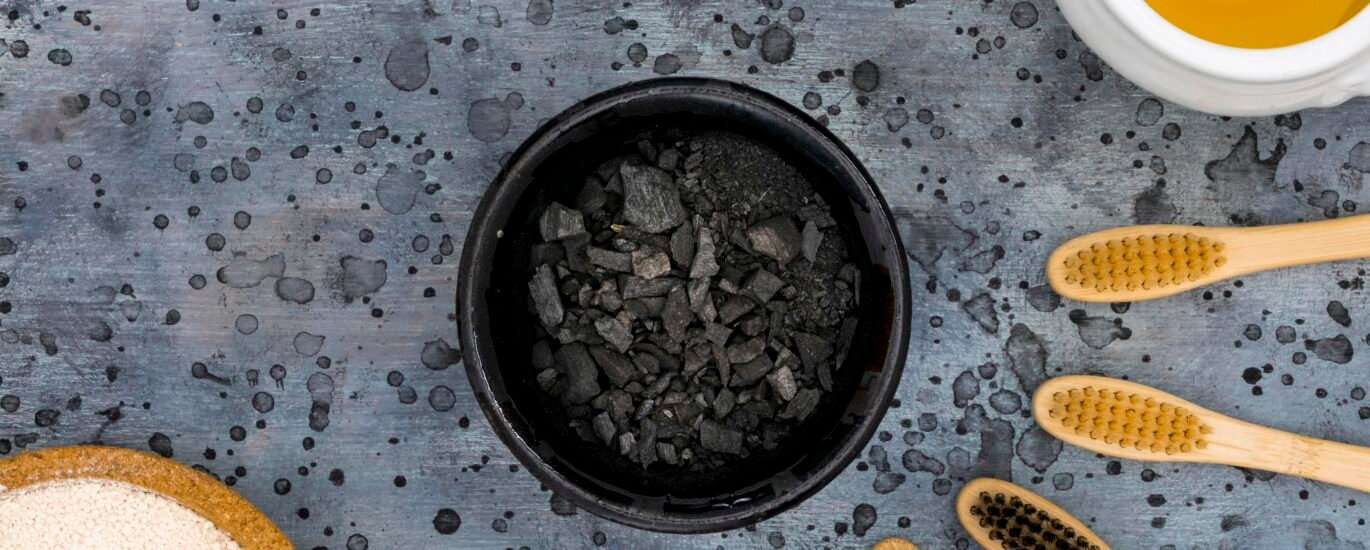
Activated charcoal is a fine black powder made from natural materials such as coconut shells or wood. It is processed at high temperatures to create a porous surface that binds toxins and stains. When applied to teeth, charcoal acts as a mild abrasive that removes surface discoloration.
According to clinical reviews and discussions by the American Dental Association, charcoal-based products may help remove external stains but lack long-term whitening evidence compared to peroxide-based treatments like dental white strips. Additionally, charcoal toothpaste typically does not contain fluoride, which plays a critical role in preventing dental decay.
Dentists emphasize that charcoal primarily addresses extrinsic stains (from food, beverages, and smoking) rather than intrinsic stains (inside the tooth structure). That means while it may brighten teeth slightly, it may not replace professional whitening or advanced treatments.
One of the main whitening mechanisms of Charcoal Toothpaste is abrasion. The fine charcoal particles gently scrub away surface stains caused by coffee, tea, red wine, and smoking. Over time, these stains accumulate and create a yellow appearance.
When used 2–3 times per week, charcoal may polish enamel and improve brightness. However, brushing too aggressively can wear down enamel, increasing sensitivity. Using a soft-bristled brush and combining with dental floss ensures better overall cleaning without damaging tooth surfaces.
Activated charcoal works through adsorption, meaning it binds particles onto its surface. This helps lift stains from enamel. While this may improve brightness temporarily, it does not chemically bleach teeth like peroxide-based treatments.
Many users ask, Does charcoal work for yellow teeth? If yellowing is due to external stains, the answer can be yes. But if discoloration is deeper, treatments like dental white strips or professional whitening may be more effective.
Consumers prefer charcoal because it’s marketed as natural and chemical-free. Unlike peroxide whiteners, charcoal products often avoid harsh bleaching agents.
However, “natural” does not always mean safer. Without fluoride, the risk of dental decay problems may increase. Dentists often recommend alternating charcoal toothpaste with fluoride toothpaste to protect enamel.
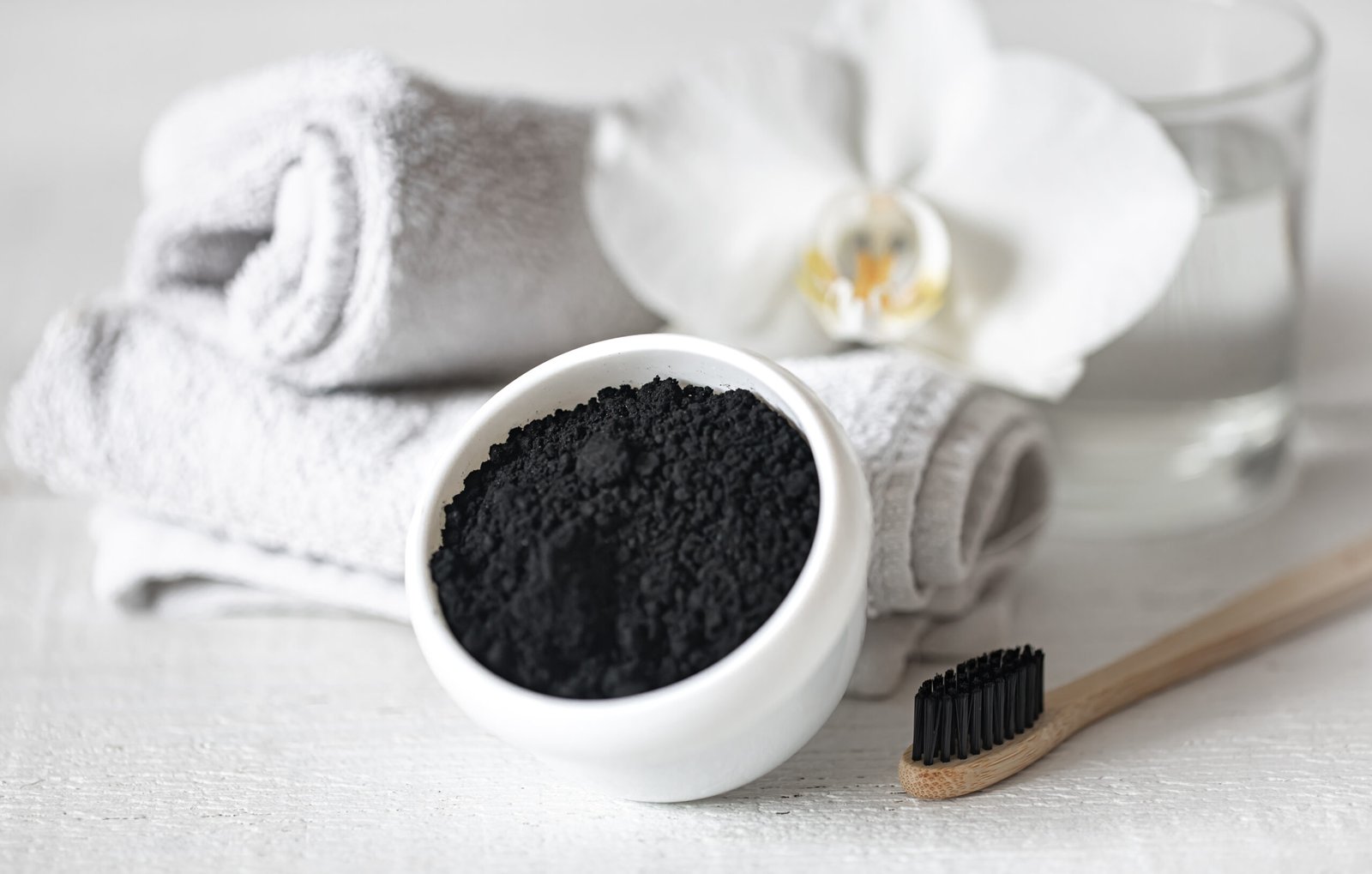
Some brands claim charcoal “detoxifies” the mouth by binding bacteria and toxins. While charcoal may reduce surface bacteria temporarily, it is not a replacement for proper oral hygiene practices like dental floss, mouthwash, and regular checkups.
If you experience persistent sensitivity or require a dental pain tablet after brushing, it could indicate enamel erosion or gum irritation.
Charcoal can give teeth a smoother surface, reflecting light better and creating a polished look. This optical illusion makes teeth appear whiter.
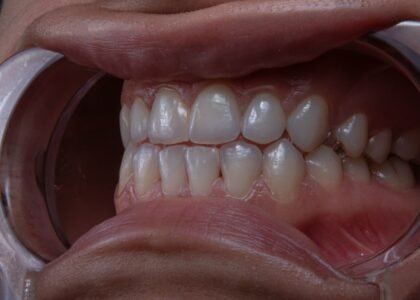
However, overuse may thin enamel, exposing dentin underneath—which can actually make teeth appear more yellow. Moderation is key when using Charcoal Toothpaste.
Charcoal toothpaste works best as part of a broader oral care routine. Dentists may use tools like dental clips for teeth during certain procedures or dental dam isolation during whitening treatments to protect gums.
Professional whitening, combined with safe at-home maintenance, often yields better long-term results than charcoal alone. Charcoal Toothpaste should complement—not replace—routine dental visits.
If you think you may have gum disease, enamel erosion, or whitening concerns, we are here to help! Make an appointment at our tooth lab clinic office by calling (925) 705-7093 or by booking an appointment online. Our experts can guide you on whether Charcoal Toothpaste or professional whitening is right for you.
The popularity of Charcoal Toothpaste continues to grow, driven by its natural appeal and visible surface stain removal. For individuals struggling with mild yellowing from coffee or tea, charcoal may provide noticeable improvements when used correctly. However, scientific evidence suggests it is not a miracle whitening solution. Without fluoride, it may increase the risk of dental decay complications if used exclusively.
If you’re wondering, is charcoal toothpaste good for teeth? The answer depends on usage frequency and oral health condition. Used occasionally and combined with fluoride toothpaste, flossing, and dental visits, charcoal can be part of a healthy routine. For deeper whitening or severe discoloration, professional methods such as dental white strips or in-office bleaching may offer more predictable results. Always prioritize enamel protection and expert guidance when choosing whitening solutions.
Charcoal Toothpaste may help remove surface stains causing yellow teeth, but it does not bleach deep discoloration. For deeper stains, dental white strips may be more effective.
Charcoal Toothpaste can be safe when used occasionally. However, overuse may wear enamel and increase dental decay risks if fluoride is absent.
No. Charcoal Toothpaste cleans surfaces, but dental floss removes plaque between teeth where brushes cannot reach.
The American dental association states there is limited long-term evidence supporting charcoal toothpaste for whitening and recommends fluoride-based care for cavity prevention.
If sensitivity occurs, stop using Charcoal Toothpaste and consult your dentist. A dental pain tablet may relieve discomfort temporarily, but professional evaluation is recommended.