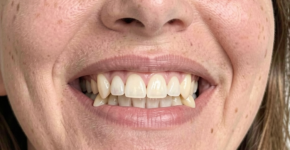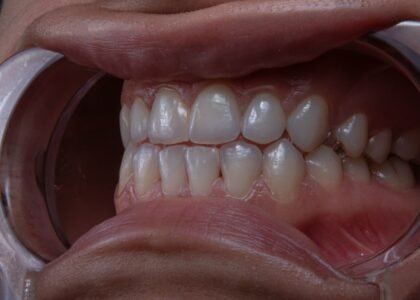

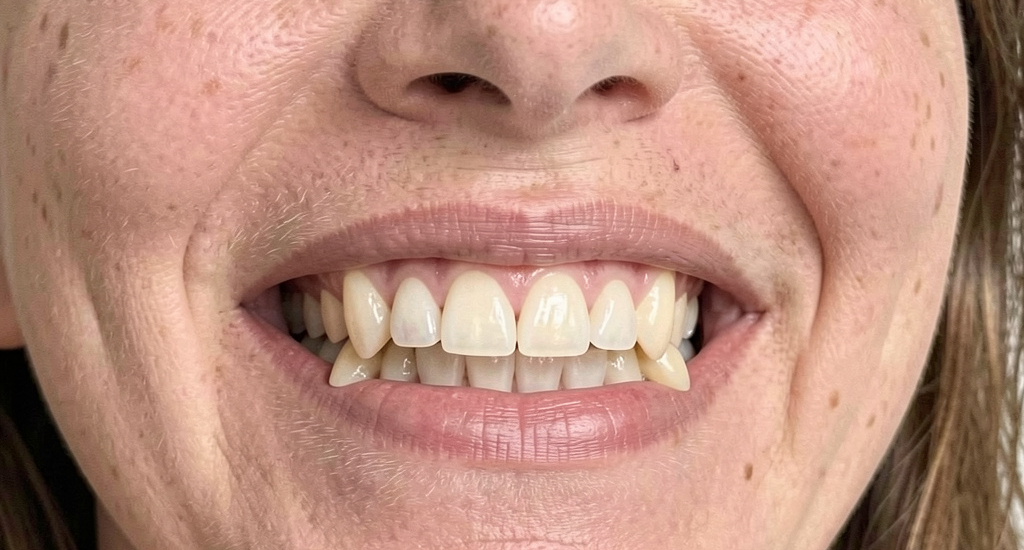
Do you feel self-conscious about Protruding Teeth when you smile or speak?
Many people experience dental misalignment without realizing it’s more than a cosmetic concern. Protruding teeth—often called buck teeth or an overjet problem—can affect confidence, speech, chewing efficiency, and long-term oral health.
Dental research shows that nearly 20–30% of orthodontic patients seek care primarily for teeth protrusion treatment. Left untreated, protruding teeth are more prone to trauma, uneven wear, gum disease, and jaw strain. Modern dentistry, however, offers multiple safe and effective solutions tailored to different ages and severity levels.
By reading this blog, you’ll gain a clear understanding of why this condition occurs, the best correction options available today, and exactly how to choose the right treatment—so you can protect your smile and confidence for the long term.
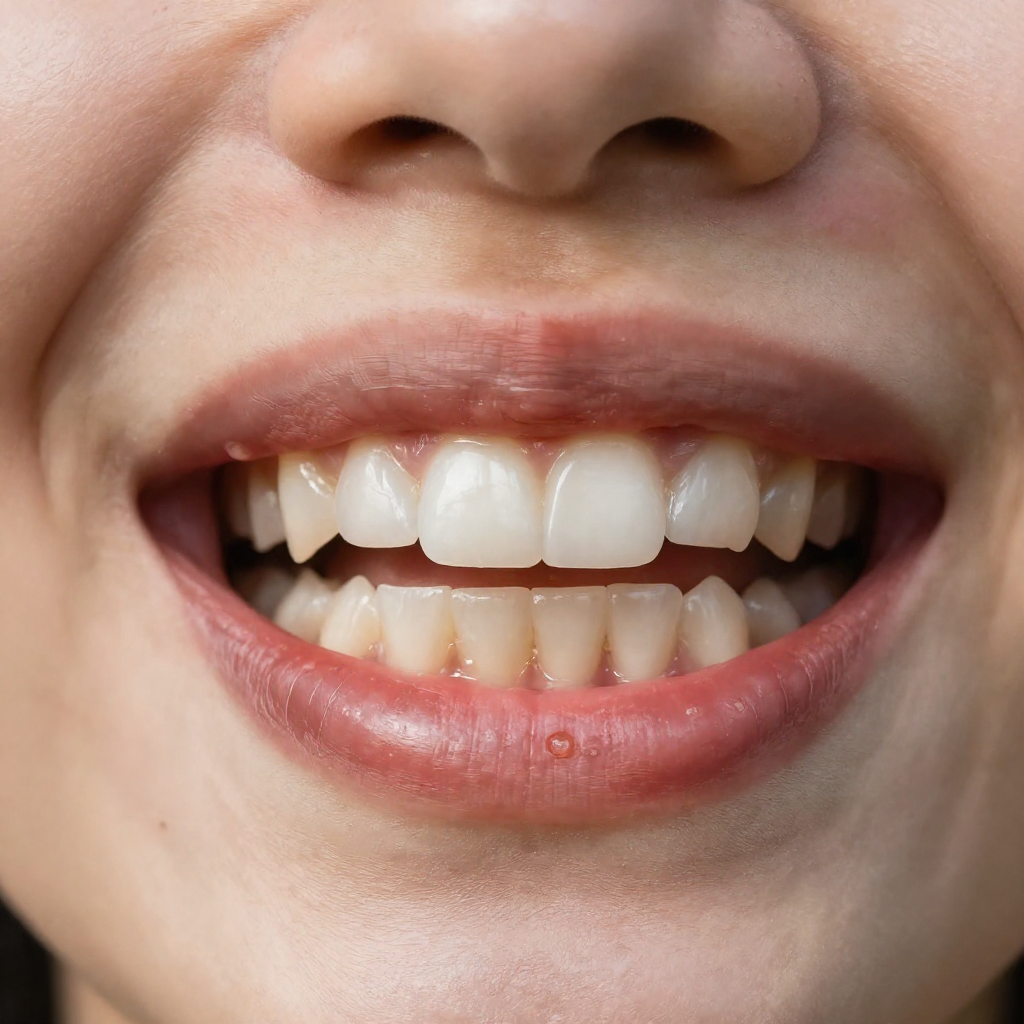
Recent orthodontic studies show that Protruding Teeth are commonly linked to skeletal imbalance, childhood habits, and genetic jaw structure. According to clinical data, patients with untreated overjet teeth problems have a 40% higher risk of dental trauma compared to aligned teeth.
From a functional standpoint, protruding teeth symptoms include difficulty biting, speech issues, and excessive pressure on front teeth. Research also confirms that early orthodontic treatment reduces treatment time and complexity in adulthood. Understanding the science behind this condition helps patients make informed decisions rather than delaying care.
Modern dentistry provides multiple options for correcting protruding teeth, depending on a patient’s age, the severity of misalignment, jaw structure, and overall oral health. Today’s treatments focus not only on improving appearance but also on correcting bite function, protecting teeth from damage, and supporting long-term oral health.
Braces for protruding teeth are the most widely used and reliable treatment option. They apply controlled pressure to gradually move teeth into proper alignment while correcting bite issues such as overjet teeth problems. Traditional metal braces, ceramic braces, and self-ligating braces are available based on individual needs. Studies show that braces can reduce dental trauma risk by over 40% in patients with protruding front teeth. This option is suitable for both teenagers and adults with mild to severe protrusion.
Clear aligners offer a discreet and comfortable alternative, especially for adults and working professionals. These custom-made trays gradually shift teeth without wires or brackets. Clear aligners are most effective for mild to moderate protruding teeth cases and are popular because they are removable, making eating and oral hygiene easier. When worn consistently, aligners provide predictable results and improved bite alignment.
Functional orthodontic appliances are commonly used in children whose jaws are still developing. These devices guide jaw growth and tooth positioning, addressing the root cause of teeth protrusion treatment early. Early intervention can shorten future treatment time and prevent the need for more complex procedures in adulthood.
Tooth extractions may be recommended when overcrowding pushes teeth forward. Removing one or more teeth creates space, allowing remaining teeth to align properly. While extractions may sound intimidating, they are carefully planned to improve facial balance, bite function, and long-term stability of the orthodontic treatment.
Dental veneers are thin shells placed over the front surface of teeth to improve appearance. They are suitable for minor protruding teeth cases where alignment is mostly correct, but the visual appearance needs enhancement. Veneers provide immediate cosmetic improvement but do not correct bite or jaw alignment issues.
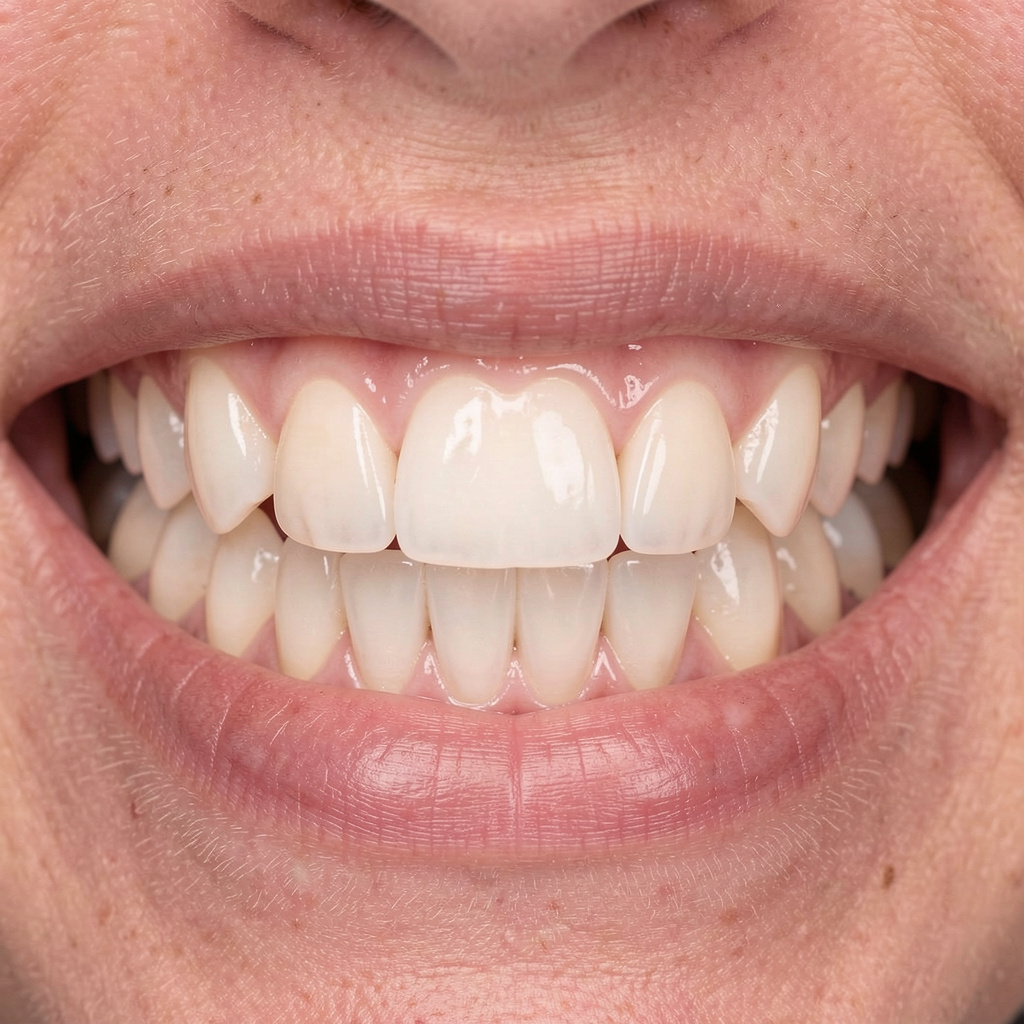
Jaw alignment therapy focuses on correcting skeletal imbalances that cause severe overjet teeth problems. This treatment may involve orthodontics combined with orthopedic or surgical approaches in extreme cases. Addressing jaw alignment improves chewing efficiency, speech, and facial harmony.
Early interceptive treatment is designed for children between the ages of 6 and 10. This approach prevents worsening misalignment by guiding proper tooth eruption and jaw development. Research shows early treatment can reduce the need for braces later by up to 60%.
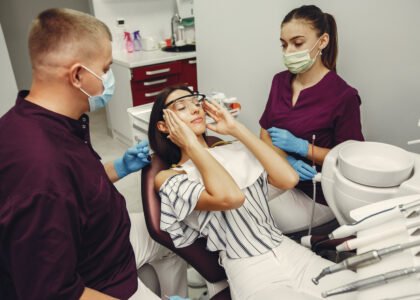
Choosing the right dental treatment for protruding teeth depends on a detailed clinical evaluation that includes dental X-rays, bite analysis, and facial assessment. A personalized treatment plan ensures safe, effective, and long-lasting results while protecting overall oral health.
Choosing the right dental treatment for protruding teeth depends on a detailed clinical evaluation.
Effective protruding teeth treatment focuses on both function and aesthetics. Treatment plans often combine orthodontic treatment for protruding teeth with preventive care to protect gums and enamel. For example, braces not only reposition teeth but also improve bite balance, reducing uneven wear.
Patients seeking buck teeth correction benefit most when treatment starts early, but adults can still achieve excellent results with modern techniques.
When patients ask how to straighten protruding teeth, dentists evaluate bite alignment, jaw position, and facial structure. Mild cases may only need aligners, while complex cases require comprehensive orthodontic treatment.
Fixing protrusion is not just cosmetic—it improves speech clarity, chewing efficiency, and long-term oral stability.
Common causes include genetics, thumb-sucking, tongue thrusting, early tooth loss, and jaw growth imbalance. Identifying the cause early allows dentists to select the most effective teeth protrusion treatment and prevent recurrence.

If you think you may have gum disease, we are here to help! Make an appointment with our tooth lab clinic office by calling (925) 705-7093 or by booking an appointment online. Early evaluation can prevent complications and simplify treatment.
Correcting Protruding Teeth is an investment in both health and confidence. Studies show that patients who undergo timely orthodontic care experience better chewing efficiency, fewer dental injuries, and improved self-esteem. Modern dentistry makes correction more comfortable, faster, and more discreet than ever before.
Whether caused by genetics or habits, addressing the issue early prevents long-term complications. With the right treatment plan and professional guidance, achieving a balanced, healthy smile is entirely possible.
Common symptoms include difficulty biting, speech problems, jaw strain, and increased risk of tooth injury.
Yes, braces and aligners are highly effective for adult patients seeking buck teeth correction.
Jaw misalignment, genetics, and childhood habits are the most common causes.
Treatment typically lasts 12–24 months, depending on severity and method used.
Yes, treatment improves oral function, prevents damage, and enhances long-term dental health.