
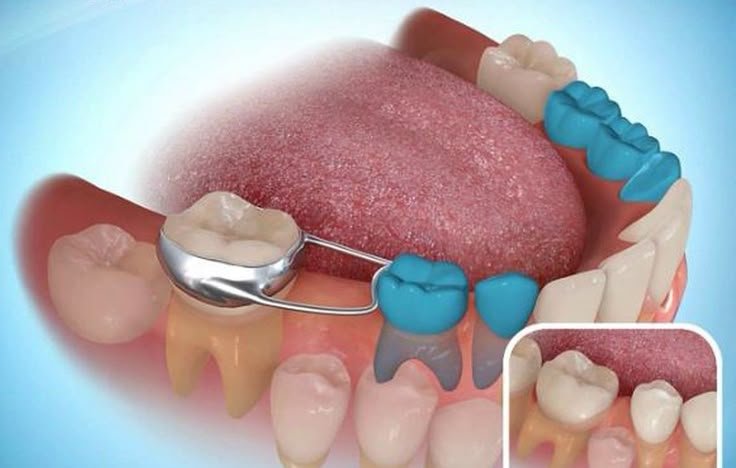
Tooth Eruption Permanent Teeth is the natural process where adult teeth replace baby teeth, but what happens if the process doesn’t follow the normal timeline?
Every child goes through a fascinating stage of dental growth in which baby teeth gradually fall out, and permanent teeth appear. According to the American Dental Association, most children begin developing permanent teeth around age 6, and the process usually continues until the late teenage years. This transition is part of the natural tooth eruption process, which plays a critical role in proper oral development and long-term dental health.
Understanding Tooth Eruption in Permanent Teeth is essential for parents and individuals, as irregular eruption can lead to crowding, misalignment, or other dental complications. Studies show that nearly 20–25% of children experience minor delays or irregularities in the growth of their permanent teeth, which may require monitoring by a dentist.
The timing and order of permanent tooth eruption are shown in a tooth eruption age chart, which outlines the expected eruption timeline andorder. These charts help dentists evaluate whether adult tooth development is progressing normally or requires intervention.
In this detailed guide, you will learn about permanent teeth eruption stages, the dental growth stages in kids, common warning signs to watch for, and practical ways to support healthy tooth development—so you can confidently understand when permanent teeth come in and ensure a healthy smile for years to come.
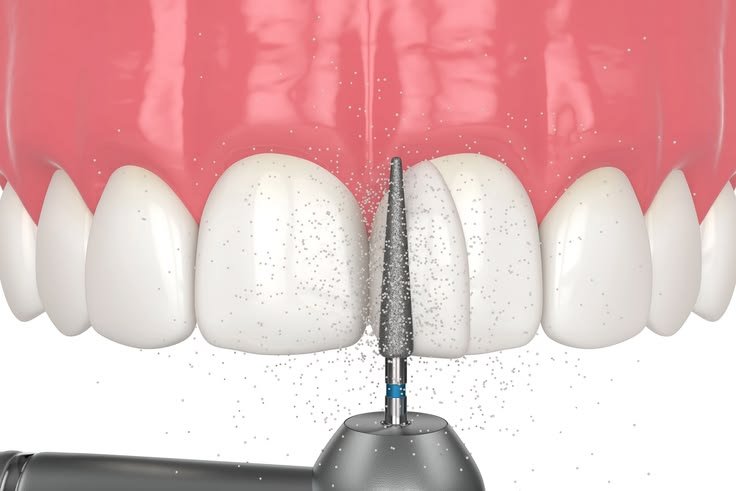
Tooth Eruption Permanent Teeth refers to the stage when adult teeth gradually replace primary (baby) teeth in the mouth. This natural tooth eruption process begins when the developing permanent tooth pushes through the gums and occupies the position previously held by a baby tooth.
During early childhood, humans typically develop 20 primary teeth, but these are temporary. As children grow, their baby teeth loosen and fall out, making room for 32 permanent teeth to emerge. This transition is an important phase of adult teeth development and plays a crucial role in chewing, speaking, and facial growth.
One key difference between baby teeth and permanent teeth is their strength and durability. Baby teeth are smaller and designed to last only during early childhood, while permanent teeth are larger and stronger and areintended to last a lifetime with proper care.
Understanding the stages of permanent tooth eruption helps parents monitor the process. If there are delays or irregular patterns in children’s permanent tooth growth, it could signal dental problems that need professional attention.
The Permanent Tooth Eruption timeline generally begins around age 6 and continues until about ages 17–21. Dentists use a tooth eruption age chart for permanent teeth to track when each tooth should normally appear.
For example, the first molars are usually the first permanent teeth to emerge, often around age 6, followed by the central incisors, which replace the baby front teeth. Later, premolars, canines, and second molars erupt in the typical order of permanent tooth eruption.
However, the timeline for permanent tooth eruption can vary from child to child. Genetics, nutrition, and oral health habits can influence when permanent teeth come in.
If teeth erupt too early or too late, dentists may investigate possible causes such as delayed eruption of permanent teeth, crowding, or impacted teeth. Monitoring the timeline helps ensure that adult tooth development progresses normally and prevents long-term dental complications.
The process of permanent tooth eruption occurs in several stages that correspond to the overall dental growth stages in kids.
The early childhood stage begins around age 6 when the first permanent molars appear behind the baby teeth. This stage marks the beginning of permanent tooth eruption, when the jaw begins preparing for adult teeth.
Next comes the mixed dentition stage, when both baby and permanent teeth are present in the mouth. This stage typically lasts from ages 6 to 12 and is a crucial period for children’s permanent teeth growth. During this time, baby teeth gradually fall out while permanent teeth erupt in their place.
Finally, the full permanent dentition stage occurs when all baby teeth have been replaced. By the teenage years, most individuals have nearly all their adult teeth except for wisdom teeth. This stage completes the permanent teeth eruption timeline and marks the final phase of adult teeth development.
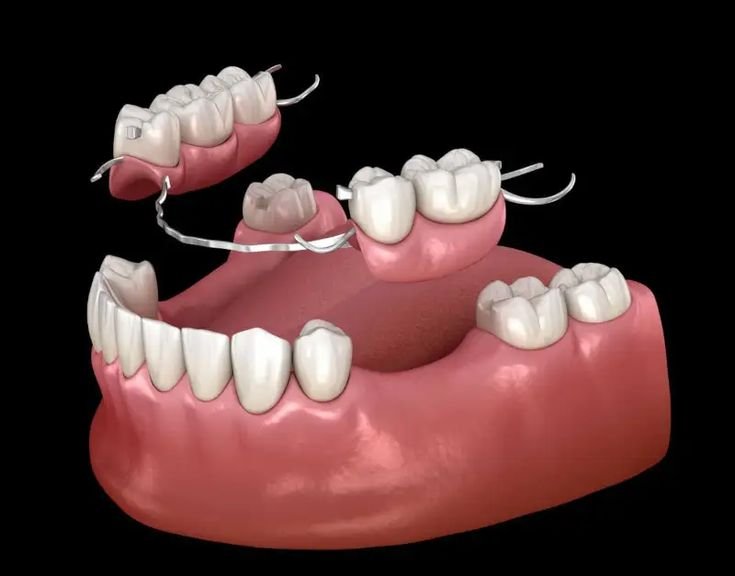
Although tooth eruption of permanent teeth usually occurs naturally, certain complications may arise during the process.
One common issue is the delayed eruption of permanent teeth. In some cases, a permanent tooth may take longer than expected to appear because of genetic factors, lack of space in the jaw, or obstruction by other teeth.
Another problem is crowding, which occurs when there is not enough space in the jaw for permanent teeth to align properly. Crowding can affect the eruption order of permanent teeth and may require orthodontic treatment.
Impacted teeth are another concern. This happens when a tooth becomes trapped beneath the gums or bone and cannot erupt normally. Impacted teeth can disrupt the tooth eruption process and cause pain or swelling.
Dentists often monitor these issues using the tooth eruption age chart for permanent teeth to determine whether intervention is necessary.
Supporting healthy tooth eruption, permanent teeth begin with proper oral care habits. Teaching children to brush their teeth twice daily with fluoride toothpaste helps protect new teeth from decay as their permanent teeth develop.
A balanced diet also plays a major role in adult tooth development. Foods rich in calcium, vitamin D, and phosphorus help strengthen enamel and support strong teeth. Dairy products, leafy greens, and nuts are excellent choices for maintaining healthy teeth.
Regular dental visits are another essential part of maintaining the timeline for permanent tooth eruption. Dentists can detect early signs of problems such as delayed eruption of permanent teeth, crowding, or cavities.
Preventive treatments, such as fluoride applications and dental sealants, can protect newly erupted teeth from decay and help ensure smooth progression through the stages of permanent tooth eruption.

While Tooth Eruption Permanent Teeth generally follow a predictable pattern, there are situations where professional evaluation is necessary.
Parents should consult a dentist if a child shows signs of delayed eruption of permanent teeth, especially if a baby tooth has fallen out, but the permanent tooth does not appear within several months.
Other warning signs include pain, swelling, or redness in the gums, which may indicate an infection or an impacted tooth interfering with tooth eruption.
Regular dental checkups allow dentists to monitor when permanent teeth come in, evaluate the order of their eruption, and ensure that adult tooth development is progressing normally.
If you notice unusual signs during tooth eruption of permanent teeth, early dental care can make a big difference. If you think you may have gum disease or dental concerns, we are here to help! Make an appointment with our tooth lab clinic by calling (925) 705-7093 or booking online.
Understanding Tooth Eruption: Permanent Teeth helps parents and individuals monitor the healthy development of adult teeth. The tooth eruption process occurs in stages and follows a predictable permanent teeth eruption order, but variations are common.
By learning about the stages of permanent tooth eruption, recognizing warning signs, and following good oral hygiene habits, individuals can help ensure healthy adult tooth development. Early detection of problems such as delayed eruption of permanent teeth or crowding allows dentists to provide timely treatment and maintain a healthy smile for life.
Tooth Eruption Permanent Teeth refers to the process where adult teeth gradually replace baby teeth during childhood.
The permanent teeth eruption timeline usually begins around age 6 and continues until the late teenage years.
The delayed eruption of permanent teeth can be caused by genetics, crowding, or issues affecting the tooth eruption process.
Parents can use a tooth eruption age chart for permanent teeth to monitor the permanent teeth eruption order and identify irregular patterns.
If you notice pain, swelling, or delayed permanent tooth growth, it is best to consult a dentist for evaluation.