

Dental Digital Radiography is transforming modern dentistry—but how exactly does it improve patient care and diagnostic precision?
Over the past decade, dentistry has undergone a massive technological shift. According to recent industry reports, more than 85% of dental practices in developed regions now use digital imaging systems instead of traditional film X-rays. This change isn’t just about convenience—it’s about precision, safety, speed, and long-term patient outcomes. Research shows that digital systems can reduce radiation exposure by up to 70–90% compared to conventional film radiographs, while delivering clearer, instantly viewable images.
Unlike traditional imaging, digital radiography integrates seamlessly with tools like dental digital impressions, digital scan body systems, and digital scan implant workflows, creating a complete digital ecosystem inside the dental clinic. From identifying cavities in early stages to planning complex implant procedures, digital imaging provides measurable improvements in treatment accuracy.
In this blog, you’ll discover 9 proven advantages of dental digital radiography, backed by research and real-world examples—so you can understand why this technology is redefining modern dental care and what it means for your next visit to the dentist.
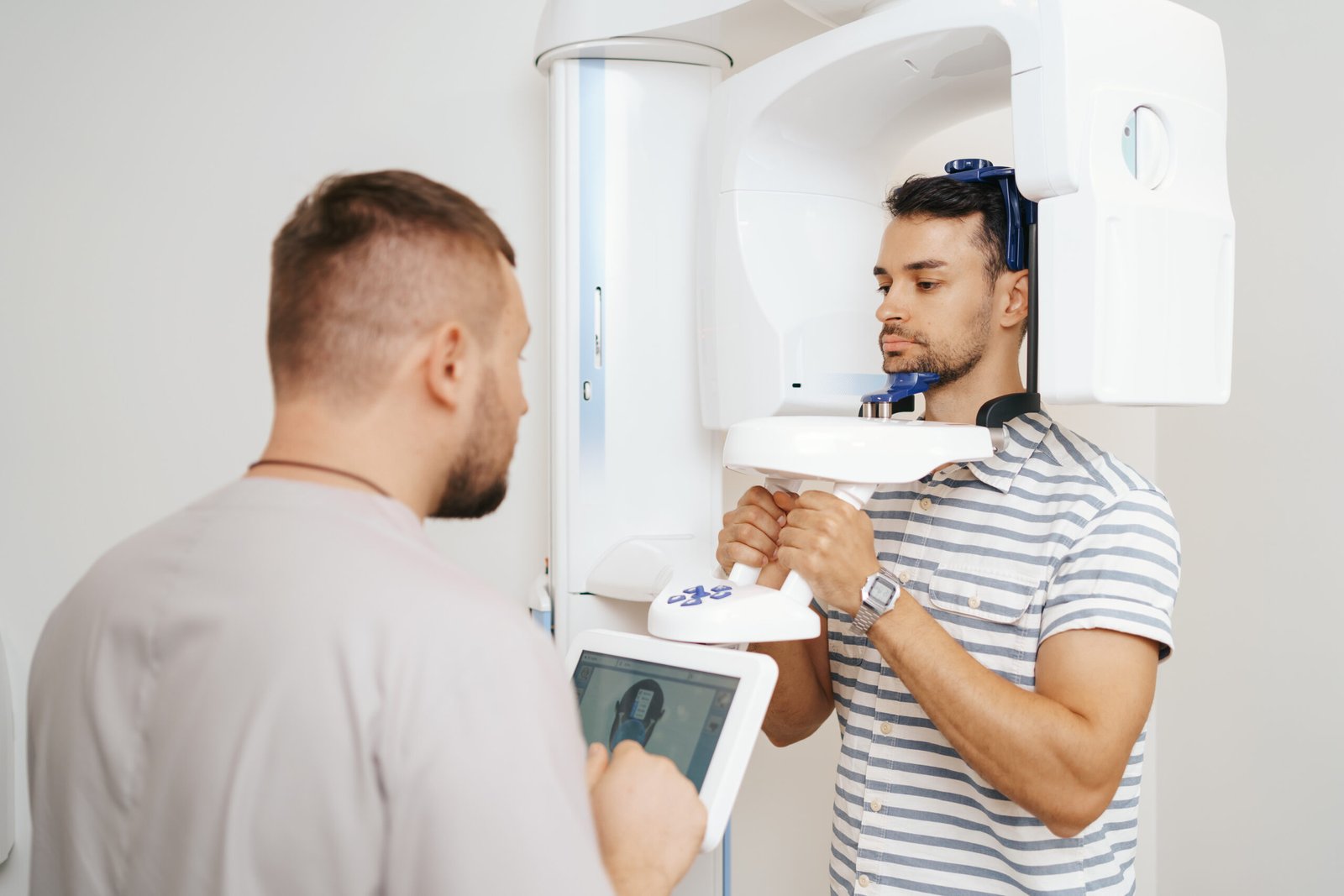
One of the most important benefits of Dental Digital Radiography is lower radiation exposure. Studies show digital sensors require much less radiation compared to traditional film-based systems. This is especially important for children, pregnant women, and patients who require frequent imaging. Lower radiation means safer routine checkups without compromising diagnostic quality.
In addition, modern systems automatically adjust exposure settings based on patient size and imaging area. This smart calibration ensures optimal image clarity while maintaining safety standards. Patients often feel reassured knowing their dental X-rays involve minimal risk.
Traditional film X-rays require chemical processing and waiting time. With digital systems, images appear instantly on a computer screen. This real-time imaging allows dentists to explain findings immediately, improving patient understanding and engagement.
For example, when diagnosing decay or evaluating types of dental radiographs, dentists can zoom, adjust contrast, and highlight problem areas instantly. This speeds up appointments and allows faster treatment decisions.
Digital images offer higher resolution and the ability to manipulate brightness, contrast, and magnification. This helps detect small cavities, bone loss, or early infections that may be invisible on traditional film.
When combined with dental digital impression systems and digital scan implant technology, dentists can plan procedures with extreme precision. The enhanced accuracy reduces the risk of misdiagnosis and improves treatment outcomes.
Film X-rays require chemical developers and fixers, which can be harmful to the environment. Digital systems eliminate chemical waste and reduce physical storage needs.
By adopting Dental Digital Radiography, clinics move toward sustainable dental practices. Digital records are stored electronically, reducing paper usage and physical archiving space.
Visual evidence increases patient trust. When patients see their own X-ray images on-screen, they better understand the need for treatment.
For instance, showing bone density changes before placing a digital scan implant helps patients feel more confident in implant procedures. Clear visuals turn complex dental issues into understandable discussions.
Modern dentistry relies heavily on integrated digital tools. Dental Digital Radiography works smoothly with CAD/CAM systems, dental digital impression devices, and digital scanning body components.
For example, during implant planning, a digital scan of the body helps capture accurate 3D positioning of the implant. This ensures prosthetic components fit perfectly, reducing chair time and adjustment appointments.
Digital images can be stored securely in cloud systems or practice management software. This allows easy retrieval and sharing between specialists.
If a patient is referred to an oral surgeon, images can be sent electronically within minutes. This improves collaboration and speeds up treatment planning.
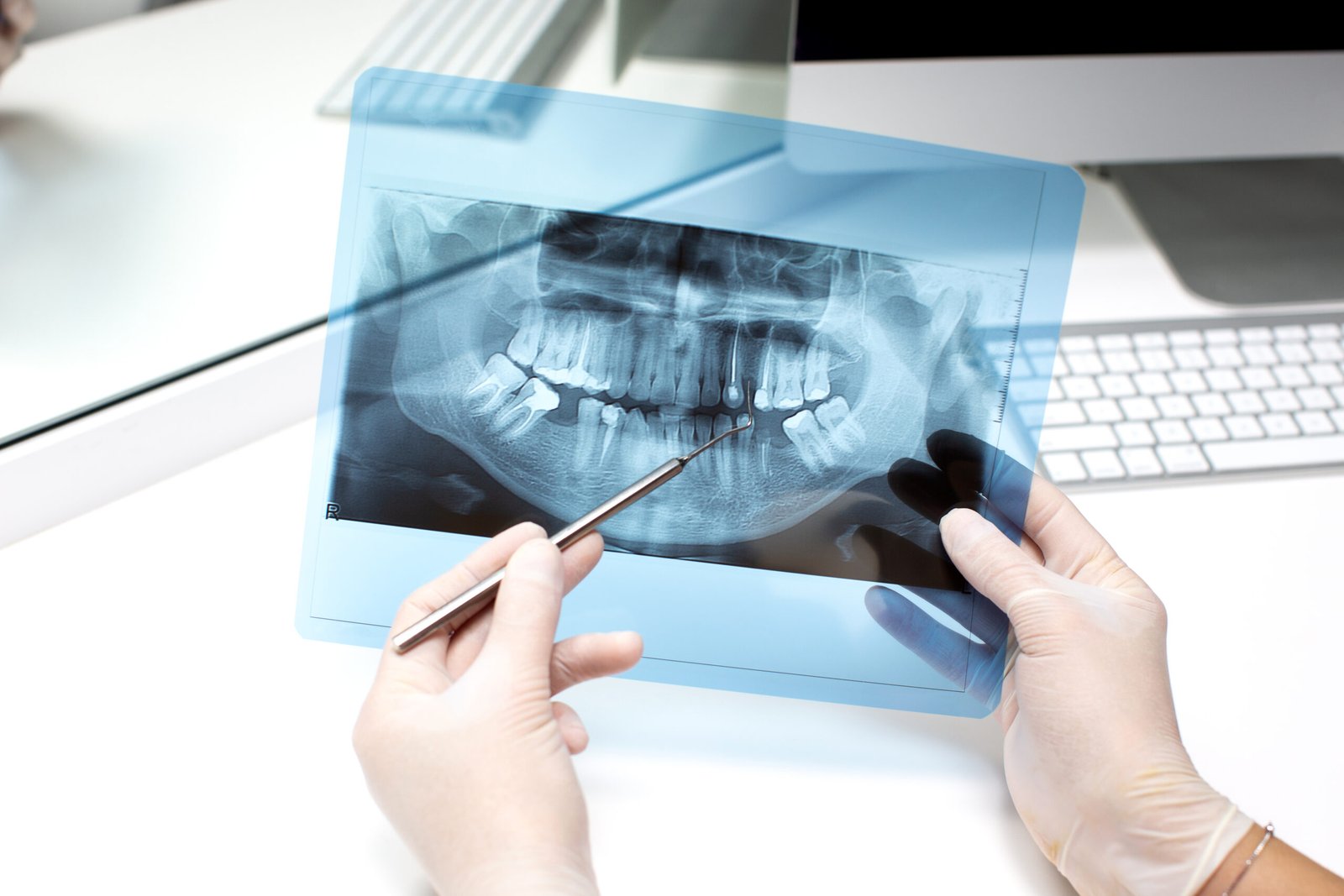
Because imaging is faster, appointments are shorter. Dentists can diagnose and treat more often in the same visit.
For example, identifying decay using digital imaging may allow same-day restorative treatment, reducing the need for multiple appointments. Time-saving benefits both patients and clinic staff.
Although initial investment costs may be higher, digital systems reduce recurring expenses like film, chemicals, and storage materials.
Over time, practices save money while improving service quality. Patients also benefit from fewer repeat scans and more accurate treatment planning.
If you think you may have gum disease or require advanced dental imaging, we are here to help! Make an appointment at our tooth lab clinic office by calling (925) 705-7093 or by booking an appointment online. Experience the safety, precision, and comfort of modern Dental Digital Radiography today.
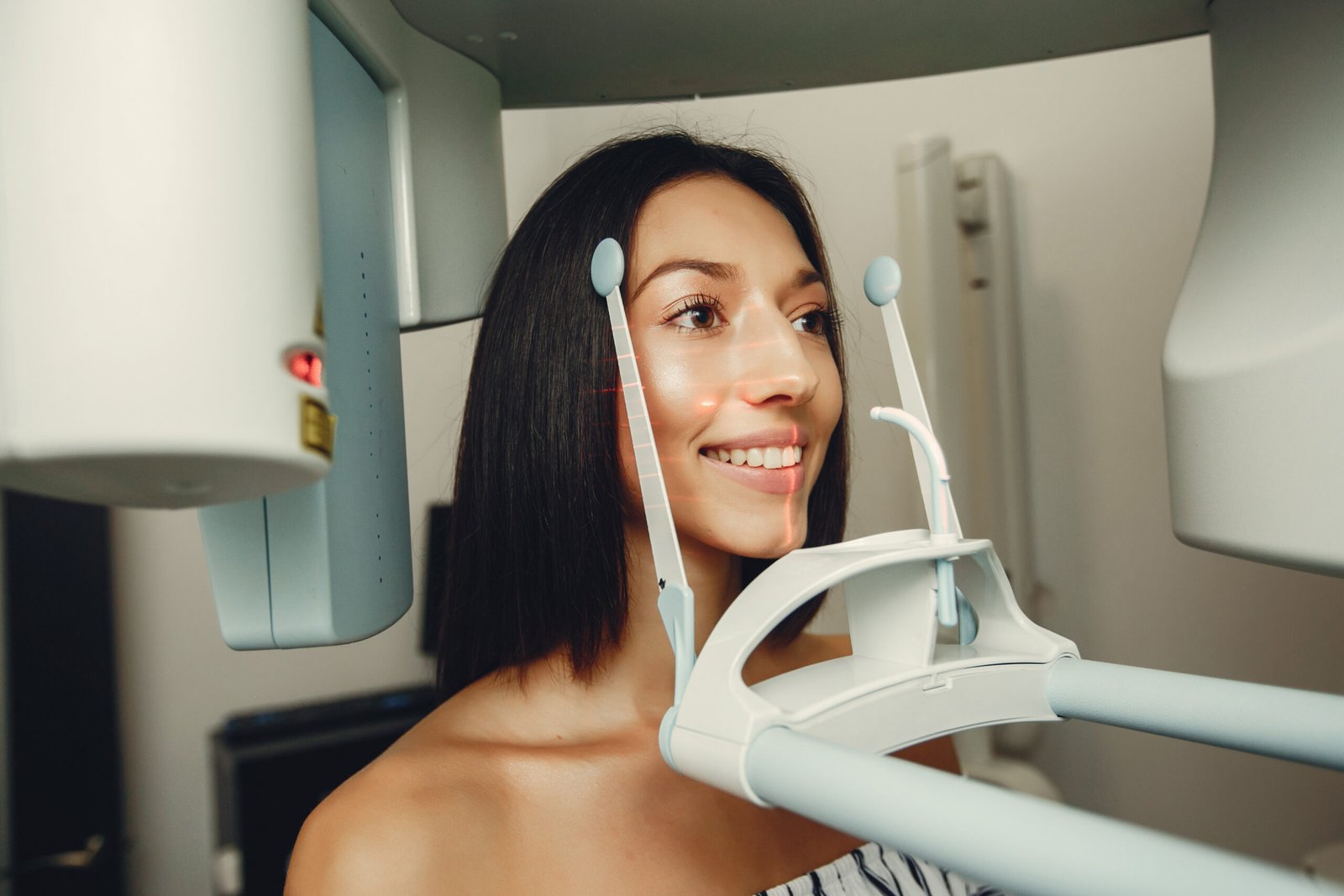
The evolution of dentistry is increasingly digital, and Dental Digital Radiography stands at the center of this transformation. From lower radiation exposure to seamless integration with advanced tools like digital scan implants and dental digital impressions, the benefits are both clinical and practical. Research-backed improvements in safety and diagnostic accuracy make digital imaging a trusted standard in modern dental care.
As technology continues to evolve, digital radiography will play an even greater role in preventive dentistry, implant planning, and orthodontics. Whether evaluating types of dental radiographs or planning complex restorative treatments, digital systems ensure precision and patient comfort. Choosing a dental clinic that uses digital radiography means choosing safer, smarter, and more efficient care.
Dental Digital Radiography is an advanced imaging technique that uses digital sensors instead of traditional film to capture detailed images of teeth and bone structures.
It is very safe. Studies show it reduces radiation exposure by up to 70–90% compared to conventional film X-rays.
Common types of dental radiographs include bitewing, periapical, panoramic, and cone-beam CT scans. Digital technology enhances clarity in all these types.
Dental Digital Radiography complements dental digital impression systems by providing internal structural images, while impressions capture external tooth surfaces for restorations.
Dental digital scan benefits include improved accuracy when placing a digital scan implant. A digital scan body ensures correct implant positioning for precise prosthetic fitting.