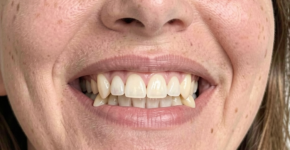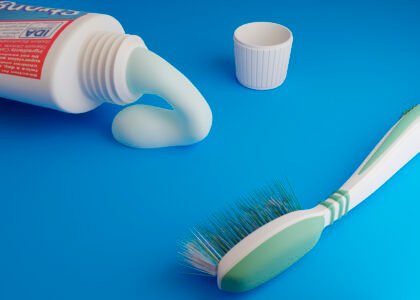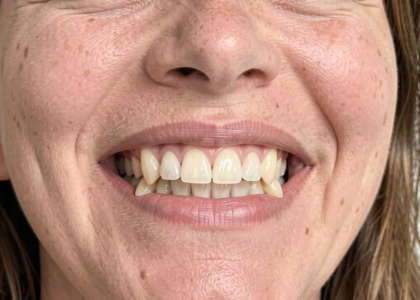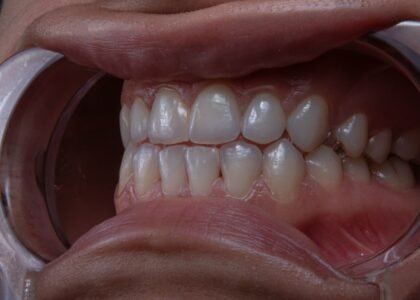

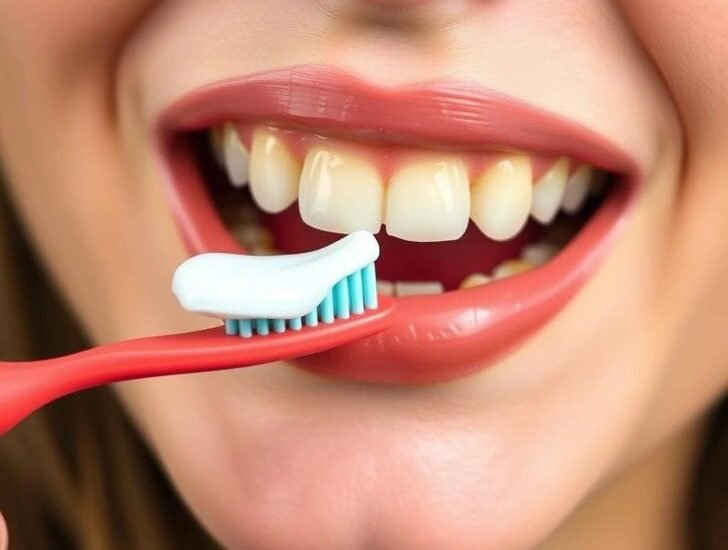
Toothpaste for Yellow Teeth is often the first solution people try when they notice stains or discoloration — but does it really work?
According to global dental research, nearly 60–80% of adults experience tooth discoloration due to coffee, tea, smoking, aging, or poor oral hygiene. Surface stains (extrinsic stains) are the most common and can often be treated with the right whitening ingredients like hydrogen peroxide, carbamide peroxide, or baking soda. However, deeper stains require consistent care and proper enamel protection.
Choosing the right Toothpaste for Yellow Teeth is not just about whitening — it’s also about protecting enamel, preventing cavities, and maintaining gum health. Some whitening pastes can be abrasive, while others are specially designed for sensitive teeth, gum disease (pyorrhea), or even loose teeth.
In this detailed guide, you’ll discover 10 scientifically backed toothpaste options that actually work, understand which ingredients to look for, and learn how to choose the perfect formula for your specific dental needs — so you can confidently achieve a brighter, healthier smile.
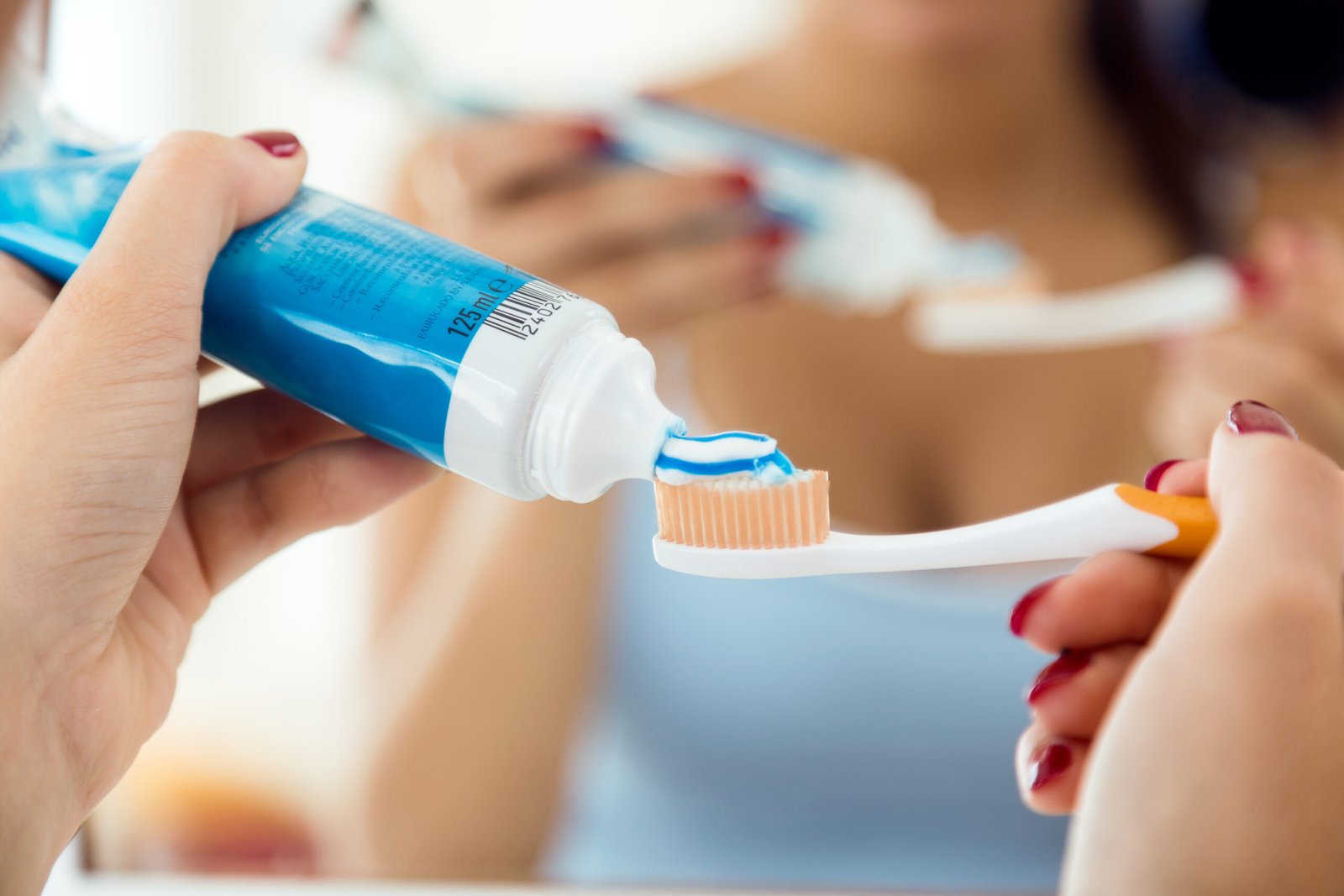
This is one of the most recommended whitening toothpastes globally. It contains hydrogen peroxide, which penetrates enamel to remove deep stains rather than just surface discoloration. Unlike many basic whitening formulas, it actively breaks down stain molecules.
It is also a good toothpaste for yellow teeth caused by coffee and tea stains. With regular use for 2–4 weeks, visible improvement is often noticeable. It also helps prevent cavities, making it suitable for daily use.
If you suffer from sensitivity, whitening can be painful. That’s where this option stands out. It is known as a trusted toothpaste for sensitive teeth pain relief and strengthens enamel while removing surface stains.
Many people who use sensodyne toothpaste for teeth pain report reduced discomfort within days. It protects enamel from acid erosion and is ideal for long-term whitening without damage.
This toothpaste combines stain removal technology with enamel-safe polishing agents. It removes up to 90% of surface stains in some clinical tests when used twice daily.
It is also considered among the best toothpastes for tooth decay and cavities because it contains fluoride for protection. This makes it a great all-in-one whitening and cavity-fighting option.
This formula uses active oxygen technology to gently whiten teeth. It’s effective for smokers and heavy tea/coffee drinkers.
It works as a reliable toothpaste for dental problems because it not only whitens but also supports gum health and fresh breath.
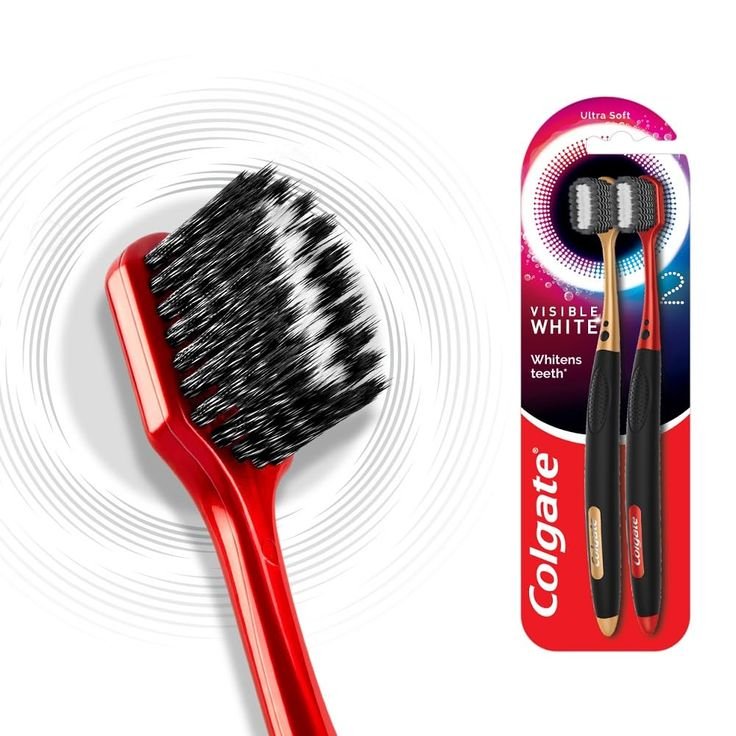
If you prefer herbal solutions, this toothpaste contains natural ingredients like papaya and pineapple enzymes that help break down stains.
It is often recommended as a toothpaste for pyorrhea because it supports gum health and reduces bleeding. It is gentle, making it suitable for daily use.
This is a budget-friendly option that works well for mild yellow stains. It contains active zinc and whitening agents that help maintain brightness.
It also acts as a toothpaste for healthy teeth by controlling plaque buildup and promoting fresh breath.
While not primarily marketed as whitening toothpaste, it improves gum health significantly. Strong gums are essential for preventing discoloration caused by plaque and tartar.
It can also be used as a toothpaste for loose teeth because it strengthens gums and reduces inflammation over time.
This toothpaste focuses on fighting bacteria while gently removing stains. It’s a good option for people dealing with multiple dental concerns.
It may help as a mild toothpaste for rotten teeth by reducing bacterial growth and preventing further decay.
For children experiencing early discoloration, using the right toothpaste for milk teeth is essential. Choose a low-fluoride, mild whitening option designed specifically for kids.
This ensures safety while preventing stains caused by poor brushing habits.
Designed for gum care and whitening, this toothpaste removes plaque effectively. It is ideal for people who experience bleeding gums along with yellowing.
It is another effective Toothpaste for Yellow Teeth that also improves overall gum strength and oral hygiene.
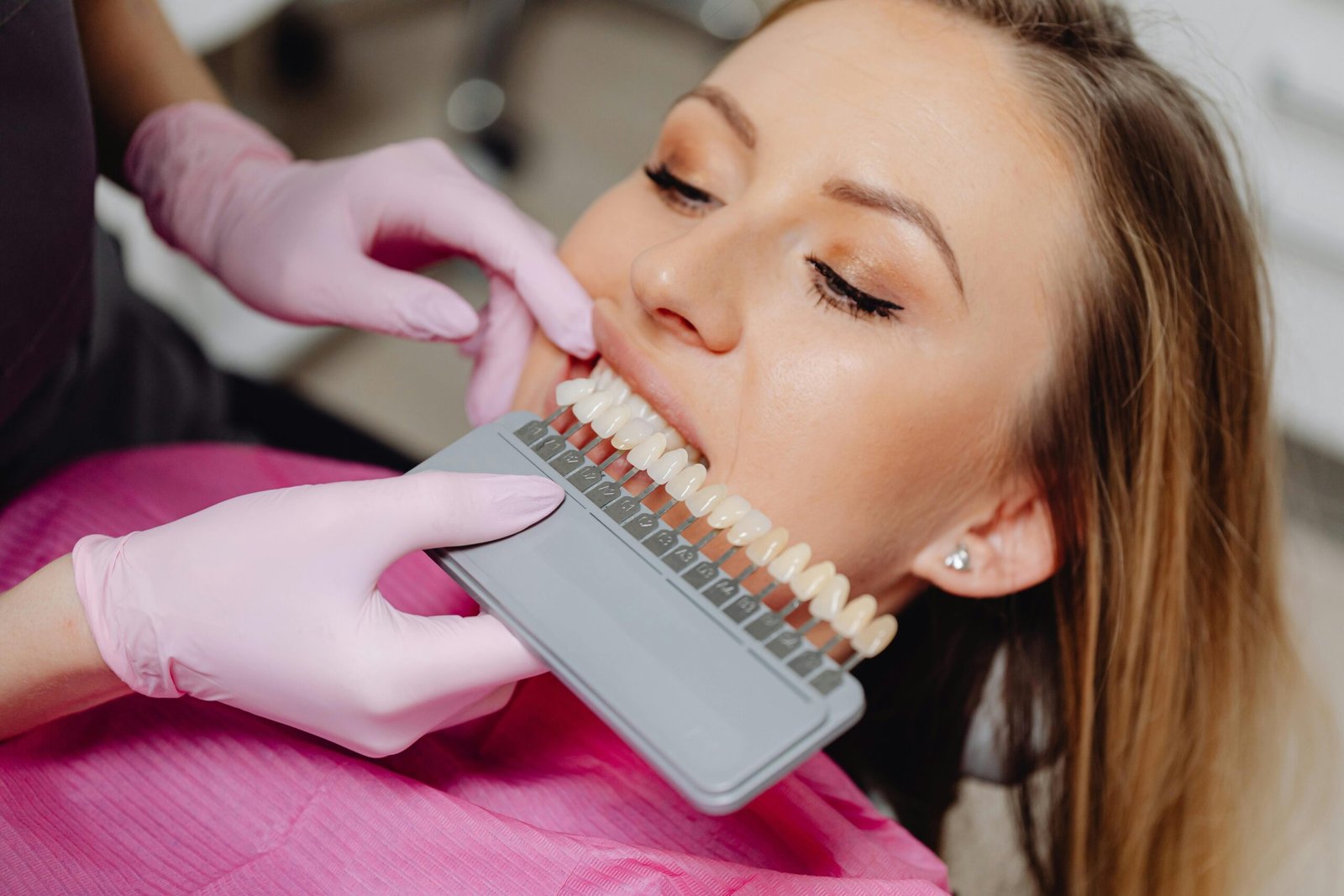
Many people assume that all whitening products are the same, but that’s not true. Some formulas are abrasive and can weaken enamel if used excessively. The ideal Toothpaste for Yellow Teeth should remove stains while protecting enamel and preventing sensitivity.
Dental experts recommend brushing twice daily for two minutes and combining whitening toothpaste with flossing and regular dental visits. Consistency is key — most whitening improvements appear after 2–6 weeks of proper use.
If you think you may have gum disease, we are here to help! Make an appointment with our tooth lab clinic office by calling (925) 705-7093 or by booking an appointment online.
Choosing the right Toothpaste for Yellow Teeth can dramatically improve your smile and confidence. From peroxide-based formulas to herbal and sensitivity-friendly options, there is a solution for every dental concern.
However, remember that toothpaste works best when combined with proper oral hygiene and regular dental checkups. If stains persist or sensitivity worsens, consult a dental professional for personalized care. A brighter smile is possible — and it starts with the right toothpaste.
The best Toothpaste for Yellow Teeth contains hydrogen peroxide or baking soda. Choose based on sensitivity and gum condition.
Yes, most are safe when used as directed. However, if you need toothpaste for sensitive teeth pain relief, choose a low-abrasive formula.
No, a toothpaste for rotten teeth can reduce bacteria, but cannot repair severe decay. Dental treatment is necessary.
A toothpaste for teeth or gum-care formula like Parodontax can help manage symptoms.
Use a mild toothpaste for milk teeth designed specifically for kids to avoid enamel damage.