
A Visit to the Dentist can feel simple, but are you unknowingly making mistakes that harm your oral health?
Recent global research shows that nearly 3.5 billion people suffer from oral diseases, according to the World Health Organization. Even more concerning, studies published by the American Dental Association suggest that skipping routine dental check-ups increases the risk of gum disease, cavities, and even heart-related complications. Despite this, many people delay or mishandle dental appointments due to fear, misinformation, or poor preparation.
Whether it’s going to the clinic only when pain starts, hiding symptoms, or misunderstanding instructions, small errors can lead to costly and painful treatments later. Many patients believe brushing alone is enough, but professional dental hygiene and early diagnosis are crucial for long-term oral health.
In this guide, you’ll discover the 6 critical mistakes people make before, during, and after A Visit to the Dentist, along with practical tips to avoid them — helping you protect your smile, save money, and feel more confident during every dental appointment.
One of the biggest mistakes during A Visit to the Dentist is scheduling it only when pain becomes unbearable. Many people think, “If it doesn’t hurt, it’s fine.” But dental problems often develop silently. Cavities and gum disease can progress for months without noticeable discomfort.
For example, early gum inflammation (gingivitis) may only cause mild bleeding while brushing. Ignoring this can lead to periodontitis, which may require deep cleaning or surgery. When you visit your dentist regularly, small issues are detected early — saving time, money, and discomfort.
Instead of waiting for pain, schedule preventive check-ups every 6 months. Prevention is always easier than treatment.
Many patients forget to inform their dentist about medical conditions, medications, or allergies. This includes diabetes, heart conditions, pregnancy, or even if you’re visiting dentist while fasting.
For example, if you go to the dentist with a sore throat, your dentist needs to know whether it’s a simple infection or something contagious. Similarly, certain medications can increase bleeding risk during procedures.
Transparent communication ensures safe treatment. Even elderly patients — especially those visiting dentists for elderly care — require special attention due to weaker immunity and underlying conditions.
Always provide full details before your dental consultation. It protects both you and your dentist.
Some people believe brushing twice daily replaces professional cleaning. Unfortunately, that’s not true. Even with excellent brushing habits, plaque and tartar accumulate in hard-to-reach areas.
Professional scaling removes hardened tartar that toothbrushes cannot eliminate. Skipping this step during A Visit to the Dentist increases the risk of gum disease and bad breath.
Think of it like servicing your car. Even if you drive carefully, routine maintenance is essential. Clinics like Visiting Dental Hygiene Inc emphasize preventive cleaning because it reduces long-term treatment costs significantly.
Make cleaning part of every routine dental visit.
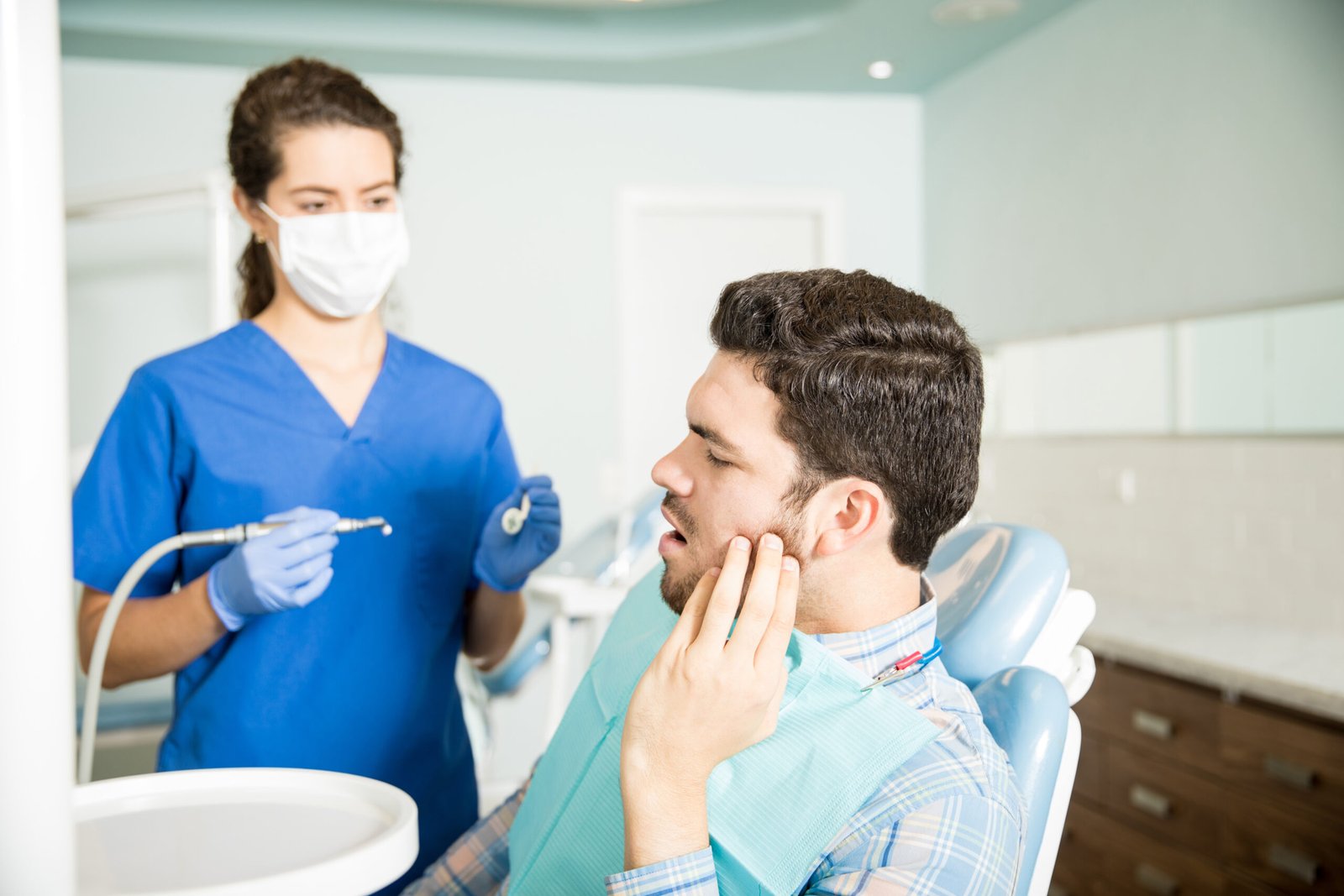
Preparation matters. Eating sugary foods just before your appointment, skipping brushing, or arriving without prior records can delay proper diagnosis.
For example, if you are visiting dentist while fasting, inform your doctor in advance, especially if anesthesia is planned. Similarly, if you go to the dentist with a sore throat, your dentist may adjust treatment to avoid irritation.
Simple preparation tips:
Small preparation steps make your dental visit smoother and more comfortable.
The mistake doesn’t end when the appointment ends. Many patients ignore aftercare advice, leading to complications.
After fillings, extractions, or scaling, dentists give specific instructions such as:
If you ignore these guidelines, healing may slow down. In severe cases, infections can develop.
Following instructions carefully ensures that A Visit to the Dentist gives lasting results rather than temporary relief.
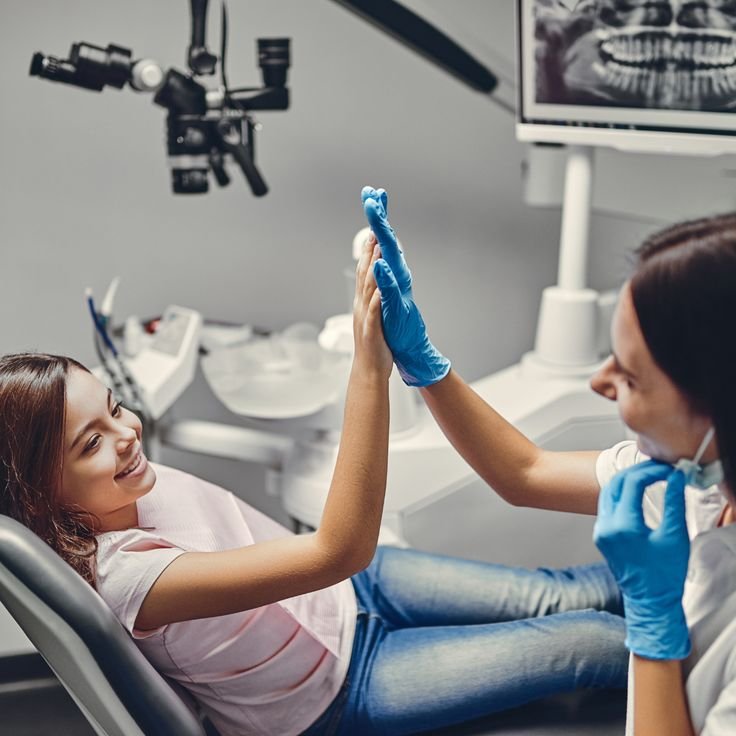
Dental anxiety is common. However, avoiding appointments only makes problems worse. Modern dentistry uses advanced tools, painless injections, and digital diagnostics to improve comfort.
Even children and elderly patients now receive specialized care tailored to their needs. If you’ve ever read an “A Visit to the dentist short story,” you may remember childhood fears — but today’s dental environment is far more patient-friendly.
Open communication reduces fear. Tell your dentist about anxiety so they can adjust treatment methods accordingly.
If you think you may have gum disease, we are here to help! Make an appointment with us at our Walnut Creek dental office by calling (925) 705-7093 or by booking an appointment online. At Tooth Lab Clinic, we ensure a comfortable, safe, and stress-free dental experience for patients of all ages.
Your smile is one of your most valuable assets. Ignoring small dental issues today can lead to expensive and painful procedures tomorrow. By avoiding these six critical mistakes, you can transform A Visit to the Dentist into a positive, preventive, and empowering experience.
When you visit your dentist regularly, maintain proper hygiene, and follow professional advice, you protect not only your teeth but your overall health. Take charge of your oral care today — because a healthy smile builds confidence, comfort, and lifelong wellness.
A Visit to the Dentist helps detect cavities, gum disease, and oral infections early. Regular check-ups prevent serious complications and reduce treatment costs.
Yes, but inform your dentist beforehand. If you go to the dentist with a sore throat, they may adjust treatment depending on infection severity.
Visiting dentist while fasting is usually safe for check-ups, but inform your dentist if procedures or anesthesia are planned.
Visiting dentists for elderly patients ensures proper care for gum health, dentures, and age-related oral conditions.
If you don’t visit your dentist regularly, small issues like plaque buildup can develop into cavities, gum disease, and even tooth loss.