
Have you ever wondered how modern dental tech is revolutionizing the way dentists treat patients today? From faster treatments to more precise diagnostics, the world of dentistry has entered a new era of innovation. According to a 2025 report by the American Dental Association, over 70% of dental offices in the U.S. now use at least one advanced technology tool, highlighting a dramatic shift toward patient-centered, efficient care.
In this blog post, we’ll explore 10 incredible tools in modern dental tech that are transforming care. By reading this, you’ll discover how these innovations make dental procedures faster, safer, and more comfortable, along with practical examples of how they’re used in real clinics worldwide. Whether you’re a dental professional or someone curious about modern treatments, this guide promises actionable insights to enhance your dental knowledge and care experience.
Intraoral scanners replace traditional impressions with digital scans, creating highly accurate 3D images of your teeth. Unlike messy molds, these scanners capture precise dental structures in minutes. A study in the Journal of Dental Research found that intraoral scanners reduce appointment time by 30%, improving efficiency.
For example, clinics using intraoral scanners can design crowns, bridges, and aligners without physical molds, reducing discomfort for patients. Additionally, digital files are easily shared with laboratories for faster production, making it an essential tool in a modern high tech dental office.
3D printing enables the rapid production of crowns, dentures, surgical guides, and orthodontic devices. This technology allows dentists to customize treatments with unprecedented accuracy. According to a 2024 Dental Economics report, 3D printing cuts production time by 50% compared to traditional methods.
For instance, modern dental technology laboratory Winnipeg photos show printed dental models that are identical to natural teeth structures, helping dentists plan complex procedures more efficiently. Patients benefit from faster turnaround times and more precise restorations.
Laser dentistry uses concentrated light beams to treat soft and hard tissues. It reduces bleeding, minimizes discomfort, and speeds up recovery. Studies show that laser treatments can decrease healing time by 40% compared to conventional procedures.
Lasers are now widely used for gum reshaping, cavity removal, and teeth whitening. Incorporating this technology is a hallmark of a modern dental 3600 approach, emphasizing patient comfort and faster outcomes.
Computer-Aided Design and Manufacturing (CAD/CAM) systems allow dentists to design and fabricate restorations in-house. Patients can now receive crowns or veneers in a single visit, eliminating weeks of waiting.
For example, modern dental cleaning techniques have improved through CAD/CAM by allowing precision-fitted restorations that maintain natural bite alignment, enhancing both function and aesthetics.
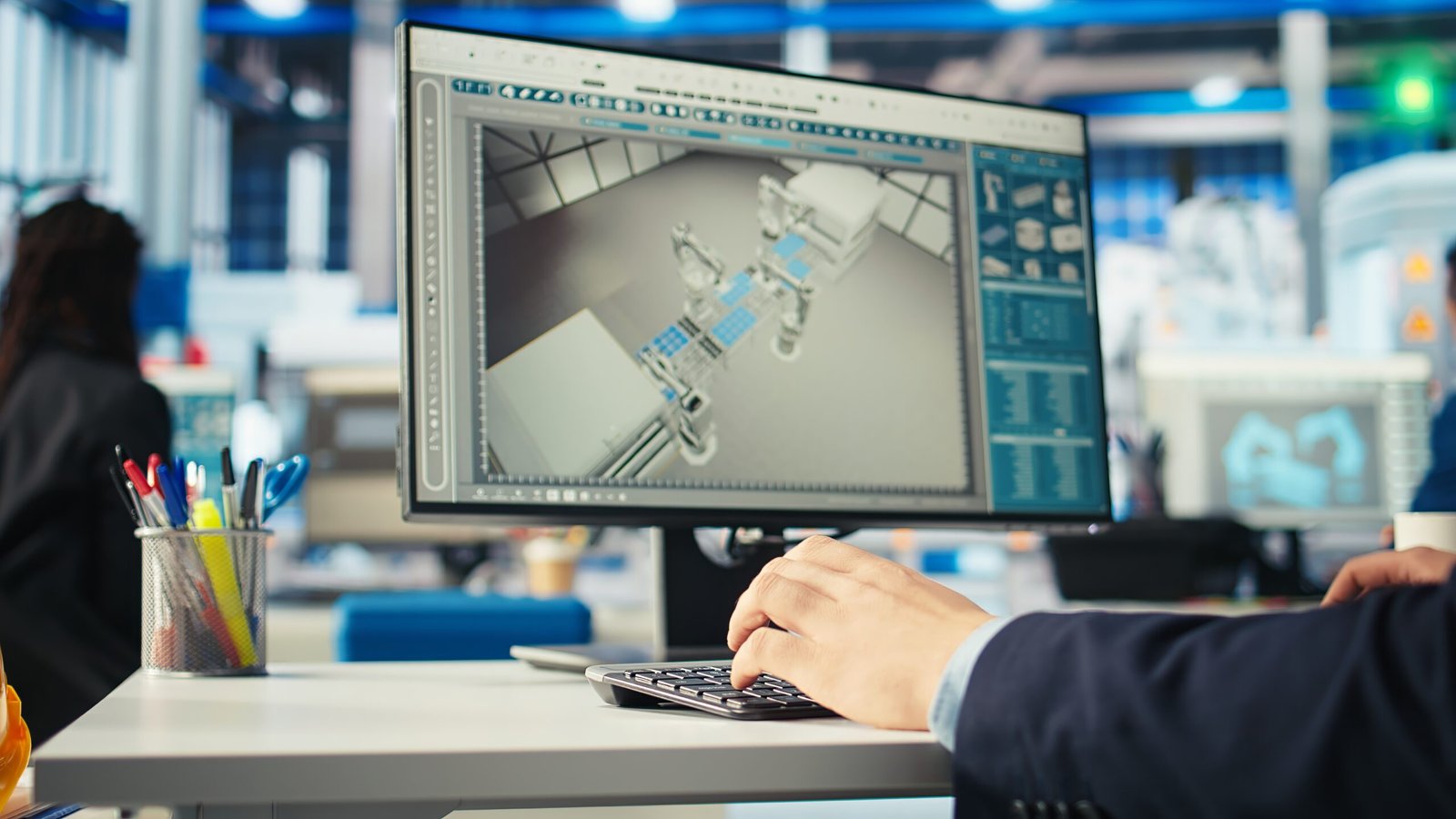
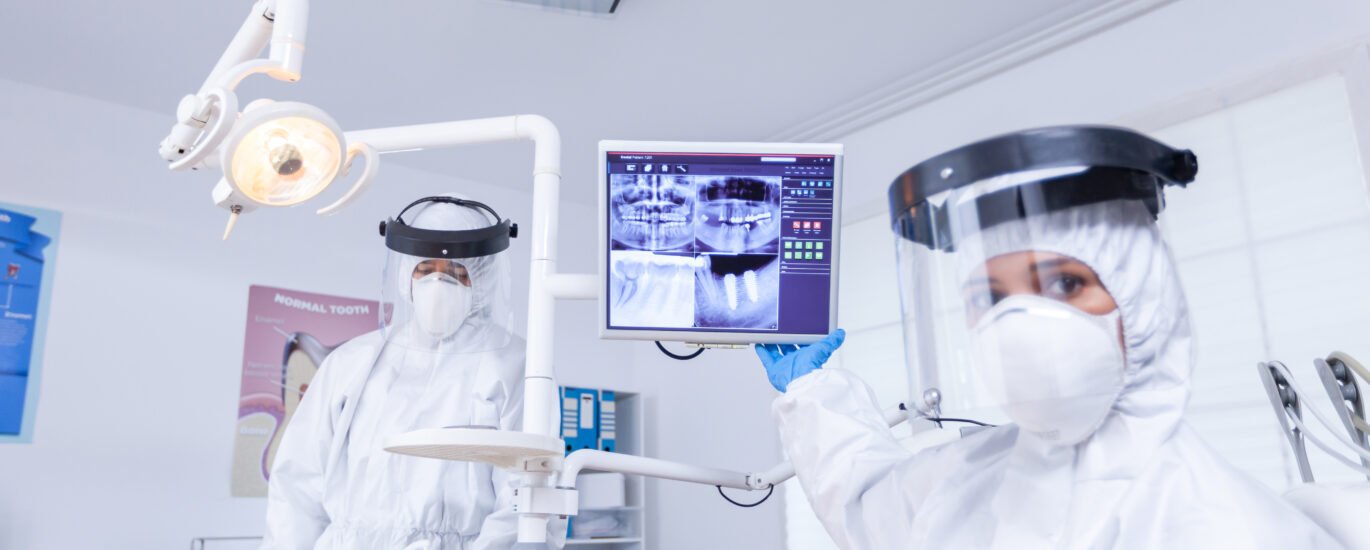
Digital X-rays offer lower radiation exposure, instant imaging, and easy storage. They are more eco-friendly and precise than traditional film X-rays, providing better diagnosis of cavities, bone density, and root issues.
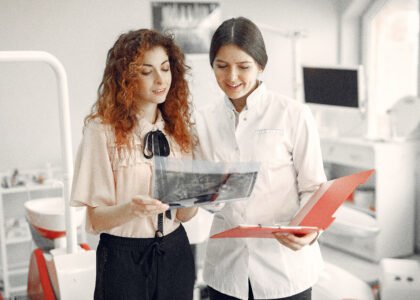
Modern clinics integrating digital X-rays benefit from enhanced workflow, immediate results, and improved patient education by showing images on screens during consultation, embodying modern dental techniques in action.
Cone Beam Computed Tomography (CBCT) provides 3D imaging of teeth, soft tissues, and jawbones. This tool is invaluable for implant planning, orthodontics, and endodontics.
A case study in Winnipeg showed that using CBCT reduced surgical complications by 25% during implant procedures. Such technology demonstrates how modern dental tech ensures safer, more predictable outcomes for patients.
Teledentistry allows remote consultations, follow-ups, and even monitoring of orthodontic treatment progress. During the COVID-19 pandemic, usage increased by over 60%, proving its value in modern care.
Platforms equipped with secure imaging and patient portals allow clinics to offer advice without in-person visits, making it a key component in a modern high tech dental office that prioritizes convenience.
Ultrasonic scalers enhance modern dental cleaning techniques, removing plaque and tartar faster than manual tools. They reduce discomfort and procedure time, especially for patients with sensitive gums.
Studies show that ultrasonic cleaning can remove up to 99% of surface bacteria, improving oral hygiene outcomes. Many clinics now combine this with laser therapy for superior results in preventive care.
AI tools help with diagnostics, treatment planning, and predicting oral health issues. AI-powered imaging systems detect cavities, periodontal disease, and even oral cancer at early stages.
For instance, AI integration in modern dental tech allows dentists to compare historical scans and predict risks, significantly improving preventative care and efficiency.
Smart toothbrushes connected to apps track brushing habits and detect areas missed during cleaning. Some wearables monitor oral pH and plaque buildup in real-time.
This consumer-level technology reflects modern dental techniques reaching patients at home, enhancing preventive care and engaging patients in their oral health journey.
Ready to experience the benefits of modern dental tech firsthand? At Tooth Lab Clinic, we integrate the latest dental innovations to provide faster, more comfortable, and precise care. From digital scans to AI-assisted diagnostics, our team ensures every patient leaves with a healthier, brighter smile. Schedule your visit today and see the future of dentistry in action!
The world of dentistry has transformed dramatically with modern dental tech. From advanced imaging and 3D printing to AI diagnostics and telehealth, both patients and practitioners benefit from faster, safer, and more personalized care. As these tools continue to evolve, staying informed ensures you can make the best choices for your oral health. Embrace innovation, and experience the difference at clinics like Tooth Lab Clinic, where cutting-edge technology meets compassionate care.
Modern dental tech refers to innovative tools and technologies used in dentistry to improve diagnosis, treatment, and patient comfort, such as AI, lasers, and digital scanners.
Modern dental techniques like 3D printing, CAD/CAM, and ultrasonic scaling enhance precision, reduce treatment time, and minimize discomfort.
A modern high tech dental office integrates modern dental tech tools like CBCT scanners, lasers, and AI systems for efficient, accurate treatments.
Yes, modern dental cleaning techniques using ultrasonic scalers and laser therapy remove more plaque, reduce sensitivity, and improve oral hygiene outcomes.
Absolutely! Modern dental technology laboratory Winnipeg photos showcase accurate restorations and treatment planning, helping patients understand procedures and outcomes.