Proper Oral Hygiene—are you sure your daily routine is truly protecting your teeth and gums? According to the World Health Organization, nearly 3.5 billion people worldwide suffer from oral diseases, many of which are preventable with consistent care. Studies published in the Journal of Dental Research (2024) reveal that individuals who follow structured oral care routines reduce cavities and gum disease risk by up to 60%.
In today’s fast-paced lifestyle, brushing alone isn’t enough. Diet choices, brushing techniques, flossing habits, and professional dental care all play a crucial role in maintaining a healthy mouth. Poor oral hygiene doesn’t just cause cavities—it has been linked to heart disease, diabetes complications, and chronic bad breath.
This guide breaks down science-backed strategies, real-life examples, and dentist-approved routines to help you build habits that truly work. By the end of this blog, you’ll understand exactly how to protect your smile, avoid common mistakes, and build confidence through healthier teeth—starting today.
Understanding Proper Oral Hygiene with Research Insights
Proper Oral Hygiene is more than a daily habit—it’s a preventive healthcare system. Research from the American Dental Association (ADA) shows that people who follow structured oral care routines experience 40% fewer dental visits due to preventable issues. Oral bacteria can multiply rapidly, forming plaque within 24 hours if not removed effectively.
Modern studies highlight that oral health is directly connected to overall health. For example, gum inflammation allows bacteria to enter the bloodstream, increasing the risk of cardiovascular diseases. This explains why dentists emphasize consistency over occasional deep cleaning.
Another emerging insight is the role of lifestyle habits. Smoking, sugary diets, and irregular brushing are proven contributors to enamel erosion and gum recession. Understanding these scientific findings helps reinforce why daily discipline matters and why skipping basic steps can have long-term consequences.
Proper Oral Care Meaning Explained Simply
The proper oral care meaning refers to a complete routine that keeps teeth, gums, tongue, and mouth healthy by preventing disease rather than treating it later. It includes brushing correctly, flossing daily, maintaining a balanced diet, and visiting the dentist regularly.
Unlike casual brushing, proper care focuses on technique, timing, and tools. For instance, brushing twice daily without flossing still leaves plaque between teeth. True oral care ensures all surfaces—front, back, and between teeth—are cleaned thoroughly.
Think of oral care like fitness: occasional effort won’t deliver results. Only consistent and correct habits can maintain strength, cleanliness, and longevity of your teeth and gums.
Importance of Oral Hygiene in Daily Life
Proper Oral Hygiene plays a crucial role in daily comfort, confidence, and overall health. Clean teeth reduce plaque buildup, prevent gum bleeding, and eliminate bacteria that cause infections. One of the most immediate good oral hygiene benefits is fresher breath, boosting self-esteem in social and professional settings.
Beyond aesthetics, oral hygiene supports digestion. Healthy teeth allow proper chewing, which aids nutrient absorption. Additionally, maintaining good oral health and diet balance helps control sugar-related bacterial growth, reducing cavity risks.
Neglecting oral care can lead to chronic pain, tooth loss, and expensive treatments. Daily oral hygiene is a small investment that prevents lifelong dental complications.
8 Smart Proper Oral Hygiene Practices That Really Work
1. Brush with the Right Technique
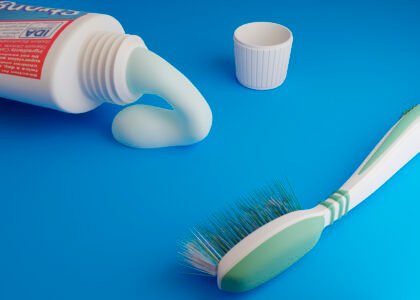
Brushing twice daily is essential, but technique matters more. Use a soft-bristled toothbrush at a 45-degree angle to clean the gum line. Aggressive brushing damages enamel and causes sensitivity.
2. Follow Proper Oral Care Steps
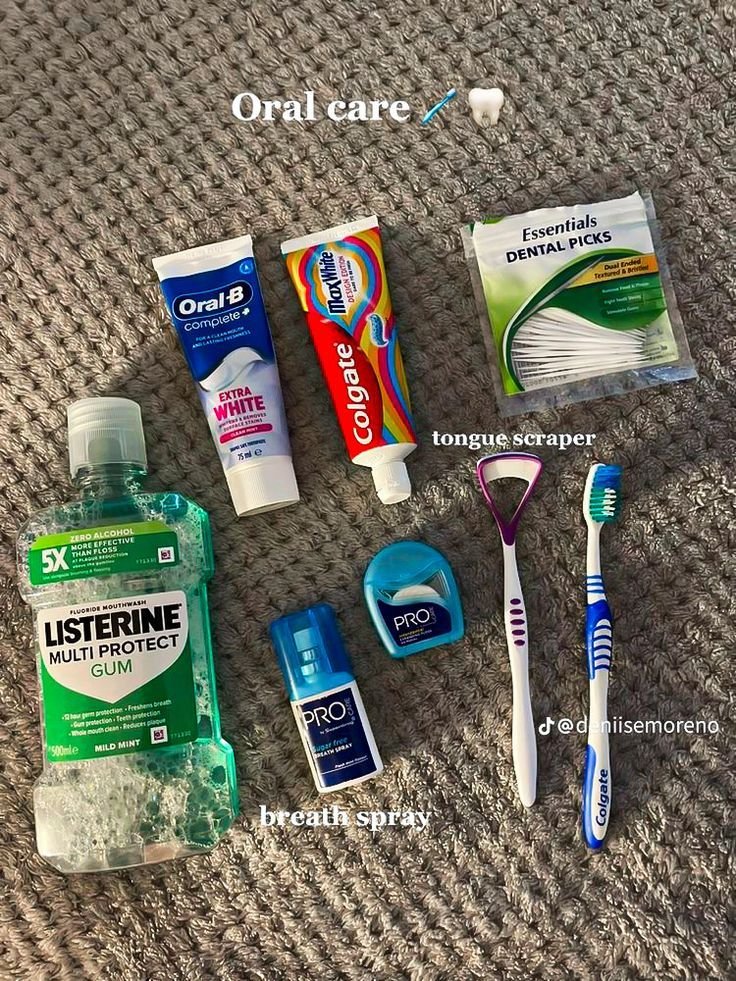
Effective care includes brushing, flossing, rinsing, and tongue cleaning. These proper oral care steps ensure no harmful bacteria remain hidden between teeth or on the tongue.
3. Floss Daily—No Exceptions
Flossing removes plaque where brushes can’t reach. Studies show daily flossing reduces gum disease risk by nearly 50%.
4. Maintain a Balanced Oral Health Diet
A diet rich in calcium, fiber, and vitamins strengthens teeth. Reducing sugar intake supports good oral health and diet, minimizing bacterial growth.
5. Stay Hydrated
Water naturally cleanses the mouth and promotes saliva production, which neutralizes acids.
6. Address Bad Breath at the Source
Persistent odor indicates bacterial buildup. Maintaining good oral hygiene and bad breath control requires tongue cleaning and antibacterial mouthwash.
7. Special Care for Braces
For orthodontic patients, follow the best oral hygiene routine with braces, including interdental brushes and water flossers to prevent plaque accumulation.
8. Visit Your Dentist Regularly
Professional cleanings remove hardened tartar and identify issues early. Dentists recommend visits every six months for optimal results.
These best oral hygiene practices are simple but powerful when followed consistently.
Book Your Expert Dental Visit Today
Your smile deserves expert care. At Tooth Lab Clinic, we specialize in preventive dentistry, advanced cleaning techniques, and personalized treatment plans tailored to your needs. Whether you’re managing braces, sensitivity, or routine care, our experienced professionals are here to help.
Book your appointment today and take the first step toward a healthier, brighter smile with confidence.
Key Takeaways
Proper Oral Hygiene prevents cavities, gum disease, and bad breath
Consistent routines deliver long-term dental health benefits
Diet, hydration, and professional care play vital roles
Preventive care supports overall health beyond your smile
Conclusion
Maintaining Proper Oral Hygiene isn’t complicated—it’s about making smart, consistent choices every day. From brushing techniques to dietary habits and professional care, each step contributes to stronger teeth and healthier gums.
When you commit to the right habits, the rewards extend far beyond aesthetics. You gain comfort, confidence, and protection against serious health risks. Start applying these proven strategies today and experience the lasting benefits of a truly healthy smile.
What is the proper oral care meaning?
The proper oral care meaning refers to a complete routine that includes brushing, flossing, rinsing, diet control, and regular dental visits to prevent disease.
How often should I follow proper oral hygiene practices?
Proper Oral Hygiene should be practiced daily, with brushing twice, flossing once, and professional cleanings every six months.
What are the good oral hygiene benefits?
Good oral hygiene benefits include cavity prevention, fresh breath, stronger gums, better digestion, and improved overall health.
How does diet affect oral health?
Maintaining good oral health and diet balance reduces sugar-related bacterial growth and strengthens enamel.
What is the best oral hygiene routine with braces?
The best oral hygiene routine with braces includes soft brushing after meals, floss threaders, water flossers, and regular dental checkups.