
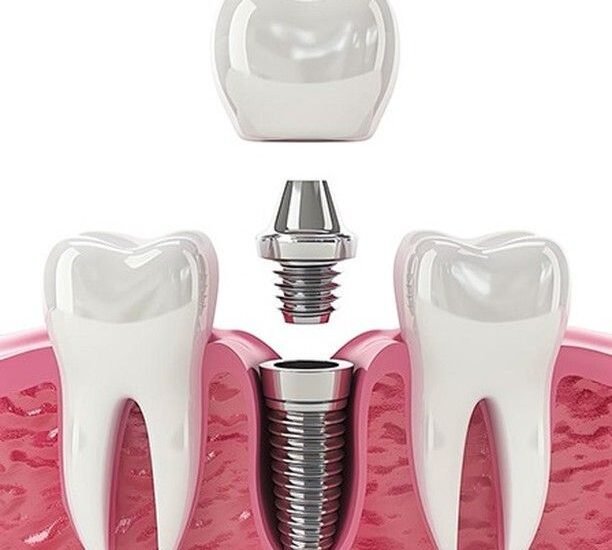
Dental Implants—are they truly safe, painless, and worth the investment, or are they surrounded by misleading myths that stop people from restoring their smiles?
According to recent global dental research, over 3 million people receive dental implants every year, and that number grows by nearly 500,000 annually, proving how trusted this solution has become. Yet, despite their high success rate of 95–98%, hesitation still exists due to outdated beliefs and misinformation circulating online and through word of mouth.
In fact, studies published by the American Academy of Implant Dentistry reveal that most patients delay treatment not due to cost, but because of fear fueled by myths. From concerns about pain to confusion around recovery and safety, these misconceptions prevent people from choosing a life-changing dental solution.
This blog breaks down the science-backed truth behind the most common myths about dental implants, explains why dentists worldwide recommend them, and shows how they compare to other tooth replacement options. By the end, you’ll gain clarity, confidence, and practical knowledge to make the right decision for your oral health.
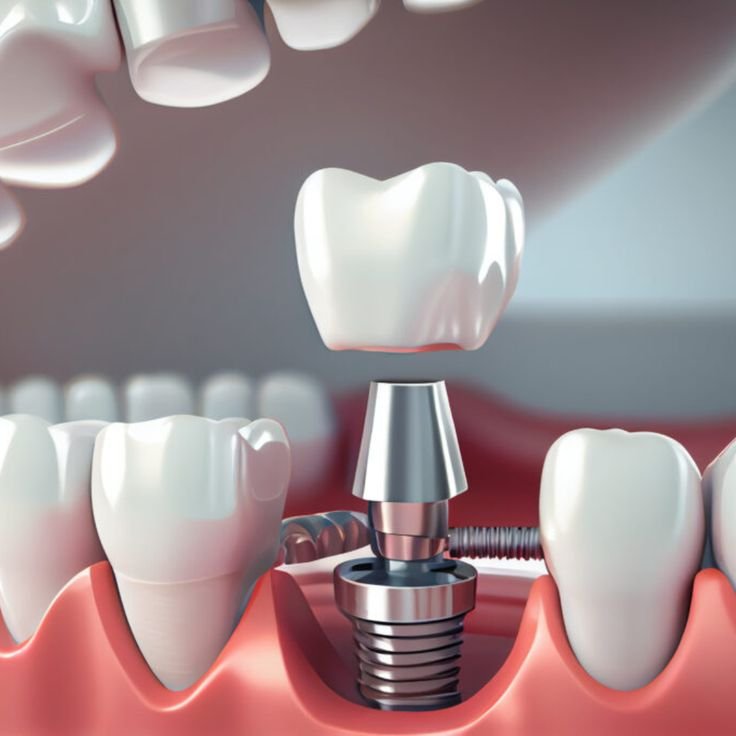
Dental Implants have transformed modern dentistry by offering a permanent, functional, and natural-looking solution for missing teeth. Unlike traditional methods, implants replace both the visible tooth and its root, preventing bone loss—a critical issue that affects nearly 25% of patients within the first year of tooth loss if untreated.
From a functional perspective, implants restore up to 90% of natural chewing power, compared to dentures, which restore only about 30–40%. This means patients can enjoy everyday foods without fear or discomfort. For example, a patient missing molars can return to eating nuts, apples, and hard foods comfortably within months of treatment.
Dentists also prefer implants because they protect neighboring teeth. Bridges require grinding healthy teeth for support, while implants stand independently. This makes implants a conservative and long-term investment in oral health, not just a cosmetic fix.
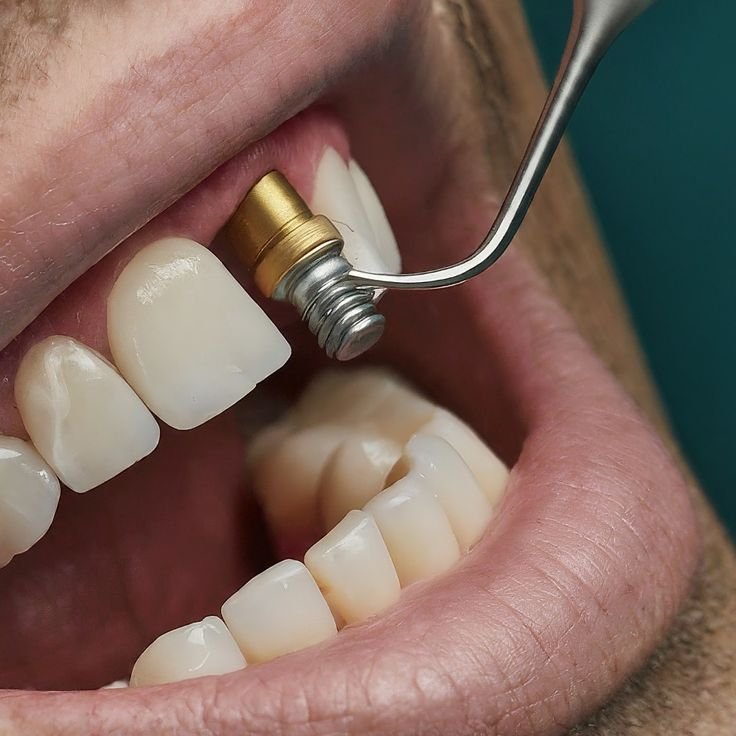
Many people ask, do dental implants cause pain, assuming the procedure is unbearable. In reality, modern implant surgery uses local anesthesia and advanced techniques, making the experience comparable to a simple tooth extraction.
Post-procedure discomfort is usually mild and manageable with prescribed medication. Most patients return to normal routines within 24–48 hours, proving that pain is often exaggerated by fear rather than facts.
A frequent concern is whether dental implants are safe for everyone. While not every patient is immediately eligible, implants are considered one of the safest dental procedures today.
With proper evaluation—including bone density scans and health assessments—implants are safely placed in patients of all ages. Even individuals with diabetes or controlled health conditions can successfully receive implants under professional care.
Many believe the dental implants recovery time lasts for years. In reality, initial healing takes just 7–10 days, while full integration (osseointegration) completes in 3–6 months.
During this time, patients continue daily life with minimal restrictions. Temporary crowns ensure aesthetics, making the process discreet and comfortable.
Implants are not just about appearance—they preserve jawbone structure, prevent facial sagging, and maintain bite alignment. Patients with missing teeth often experience bone loss that alters facial shape over time.
By replacing the root, implants stimulate bone growth, offering benefits far beyond aesthetics.
The debate of dental implants vs dentures is common. Dentures may seem affordable initially, but they loosen, require adhesives, and need frequent replacements.
Implants, on the other hand, last decades with proper care, making them more cost-effective long term.
Dental Implants offer unmatched stability, longevity, and comfort. One of their biggest advantages is durability—implants can last 20+ years, while dentures typically need replacement every 5–7 years.
They also improve confidence and speech. Dentures may slip while talking, but implants remain fixed, allowing natural speech and expression. For professionals and public speakers, this benefit alone is life-changing.
Additionally, implants simplify oral hygiene. Unlike bridges, there’s no need for special flossing tools. Patients brush and floss implants just like natural teeth, reducing plaque buildup and gum disease risk.
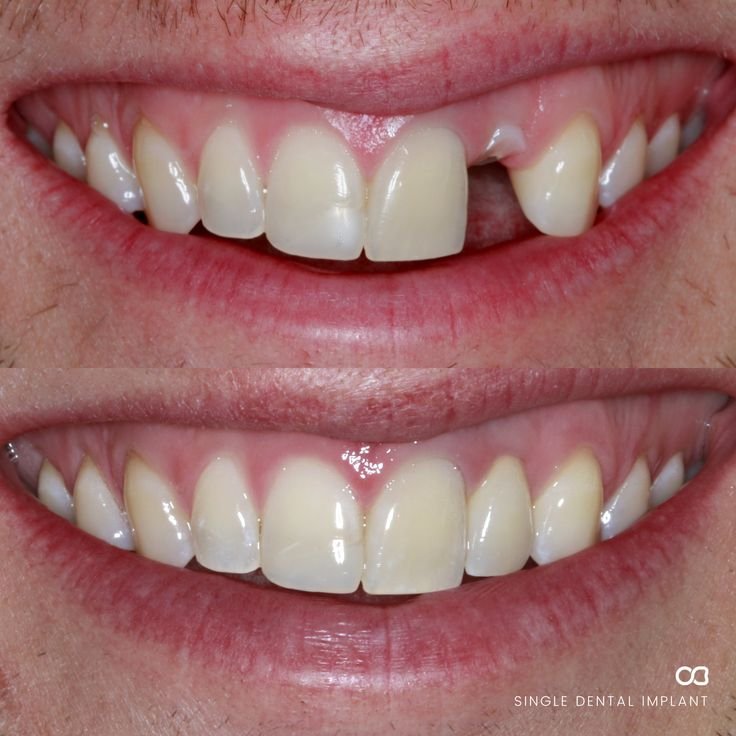
Understanding the dental implants procedure steps helps reduce anxiety. The process begins with consultation and imaging, followed by implant placement, healing, and crown attachment.
Each step is carefully planned using digital scans for precision. For example, guided implant surgery ensures minimal tissue damage, faster healing, and predictable results—making the experience smoother than ever.
At Tooth Lab Clinic, we combine advanced technology, experienced implant specialists, and patient-first care to deliver world-class implant solutions. Whether you’re exploring options or ready for treatment, our team guides you at every step.
📞 Book your personalized implant consultation today and discover how confidently you can smile, eat, and live again.
Choosing Dental Implants is not just about replacing missing teeth—it’s about restoring quality of life. When myths are replaced with facts, patients realize how accessible, safe, and transformative implants truly are.
With modern dentistry, advanced planning, and expert care, implants offer a reliable solution that looks, feels, and functions like natural teeth. Understanding the truth empowers you to make confident decisions for your oral health and long-term well-being.