
Oral Hygiene—Have you ever wondered why dentists stress daily care even when your teeth look fine?
According to the World Health Organization, nearly 3.5 billion people worldwide suffer from oral diseases, most of which are preventable with proper habits at home. Poor oral health doesn’t just cause cavities—it’s linked to gum disease, diabetes, and even heart problems.
Recent dental research shows that consistent teeth cleaning, balanced dental care, and correct techniques reduce tooth decay risk by over 60%. Yet many people still brush incorrectly, skip flossing, or choose the wrong products. These small mistakes add up over time.
In this guide, you’ll learn dentist-approved, science-backed oral hygiene practices, the right products to use, and simple routines suitable for beginners and advanced learners alike—so you can protect your smile for life
Good Oral Hygiene is the foundation of overall health, not just a cosmetic concern. When plaque builds up on teeth, harmful bacteria multiply and release acids that weaken enamel. Over time, this leads to cavities, bad breath, and gum inflammation. If untreated, these issues progress into periodontal disease, which is the leading cause of adult tooth loss.
Studies published in dental journals show that people who follow daily oral hygiene routines have fewer dental visits, lower treatment costs, and better long-term outcomes. For example, brushing twice daily combined with flossing reduces gum disease risk by nearly 40%. Simply put, prevention is always easier—and cheaper—than cure.

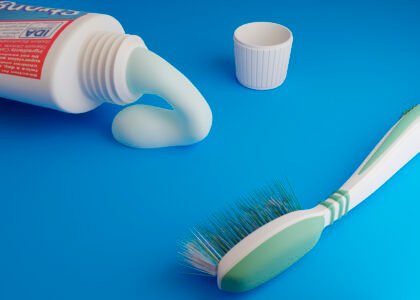
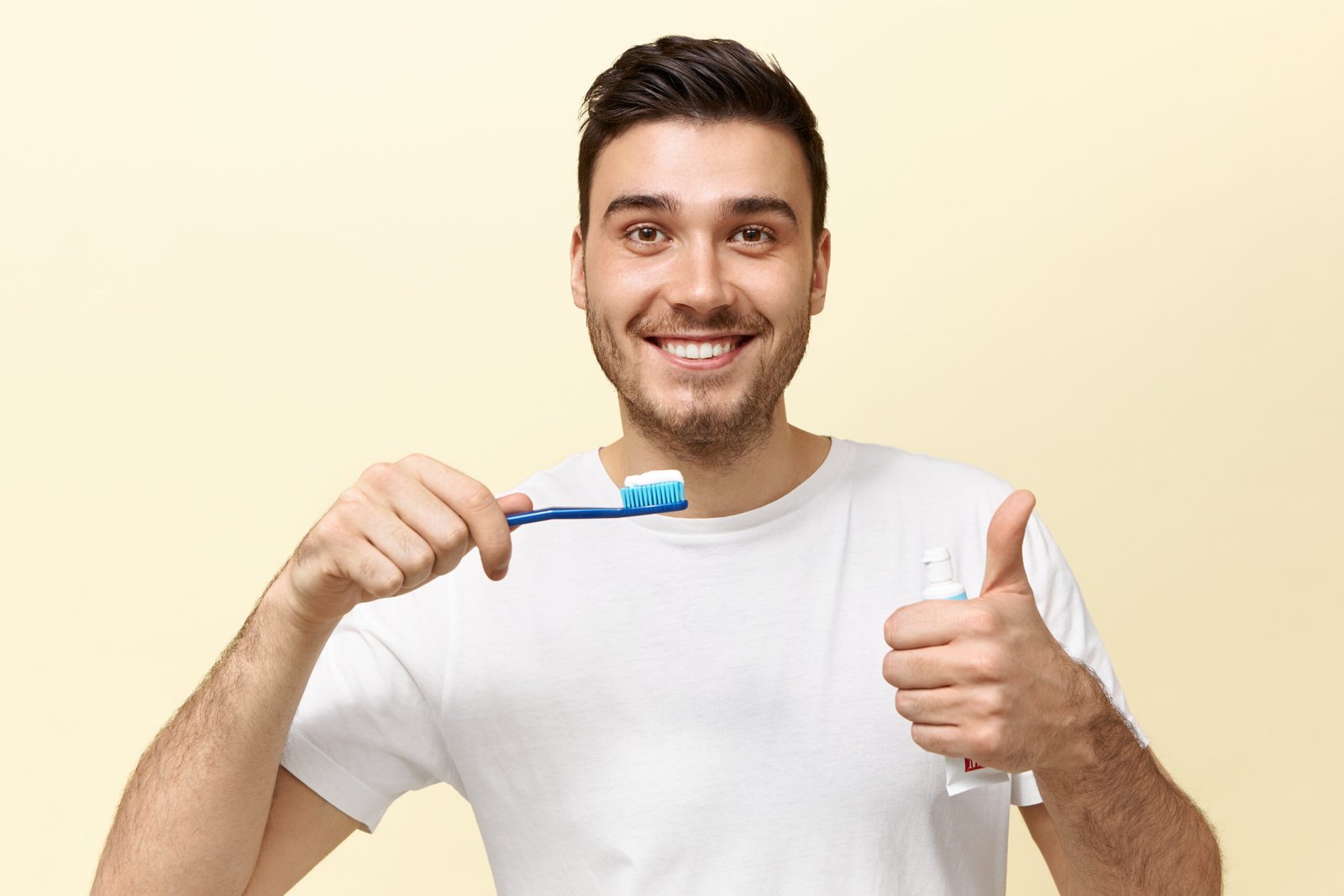
Brushing twice a day is essential, but technique matters more than force. Dentists recommend using a soft-bristle brush and gentle circular motions. Aggressive brushing can wear down enamel and cause gum recession, exposing sensitive tooth roots.
For example, patients who switch from hard brushing to gentle techniques often report reduced sensitivity within weeks. Proper teeth cleaning protects both enamel and gums while effectively removing plaque.
Flossing cleans areas your toothbrush can’t reach—between teeth and below the gum line. These hidden spaces are where plaque builds fastest and causes gum disease.
Dentists suggest flossing once daily, preferably at night. This habit is one of the most effective oral hygiene tips for healthy gums, especially for adults with tightly spaced teeth.
Consistency beats intensity. A simple routine—brushing morning and night, flossing once daily, and rinsing when needed—creates lasting results.
Many people fail because they brush irregularly. A structured daily oral hygiene routine trains your mouth to stay clean and balanced, reducing bacterial growth.
The tongue harbors bacteria that cause bad breath and plaque transfer. Using a tongue scraper or brushing gently reduces odor-causing microbes.
Dentists often see improvement in breath and taste after patients add tongue cleaning to their oral hygiene practices.
Sugary snacks and acidic drinks weaken enamel and feed harmful bacteria. Frequent snacking is more damaging than occasional treats.
For example, sipping soda throughout the day keeps acid levels high, increasing cavity risk—even if you brush regularly.
Water washes away food particles and stimulates saliva production, which naturally neutralizes acids. Saliva is your mouth’s built-in defense system.
Patients with dry mouth experience more cavities, making hydration a critical yet overlooked habit.

Home care is powerful, but professional cleanings remove hardened plaque (tartar) you can’t eliminate yourself. Dentists can also detect problems early.
Routine visits complete your dental care plan and prevent costly treatments later.
Choosing the right products makes a big difference. Dentists recommend fluoride toothpaste, soft-bristled toothbrushes, and alcohol-free mouthwash. Fluoride strengthens enamel and prevents decay, especially in children and adults prone to cavities.
Electric toothbrushes can improve plaque removal by up to 21%, according to clinical studies. For families, selecting age-appropriate products supports oral hygiene tips for kids and adults, ensuring safe and effective cleaning for everyone.
A healthy smile starts at home—but professional care keeps it strong. At Tooth Lab Clinic, our experienced dentists offer preventive checkups, advanced treatments, and personalized guidance for every patient.
👉 Book your dental treatment at Tooth Lab Clinic today and take the first step toward a confident, pain-free smile.
Maintaining Oral Hygiene doesn’t require complicated routines or expensive tools—just the right knowledge and consistency. From brushing correctly to choosing the right products, every small habit protects your smile and overall health.
By following these dentist-approved tips and staying proactive, you can prevent cavities, protect your gums, and enjoy a confident smile for years to come.
It refers to daily habits that keep your teeth, gums, and mouth clean and disease-free.
Brush twice daily, floss once, limit sugar, stay hydrated, and visit your dentist regularly.
Brushing, flossing, tongue cleaning, rinsing, and professional checkups.
Consistency—clean your mouth every day, not occasionally.
Plaque buildup, which leads to cavities and gum disease if untreated.